How Home Improvement Lead Gen Really Runs on Facebook
Share:

The tech stack signals that separate serious lead gen operators from everyone else
Key Takeaways: Roofing, bathroom remodel, and windows together account for about 100,000 active ads on Meta right now.
The county-level targeting strategy running across all three is more sophisticated than it looks from the outside.
Filtering by TrustedForm, Lead Connector, or Jornaya instantly isolates the advertisers actually collecting leads themselves, about 24% of the total.
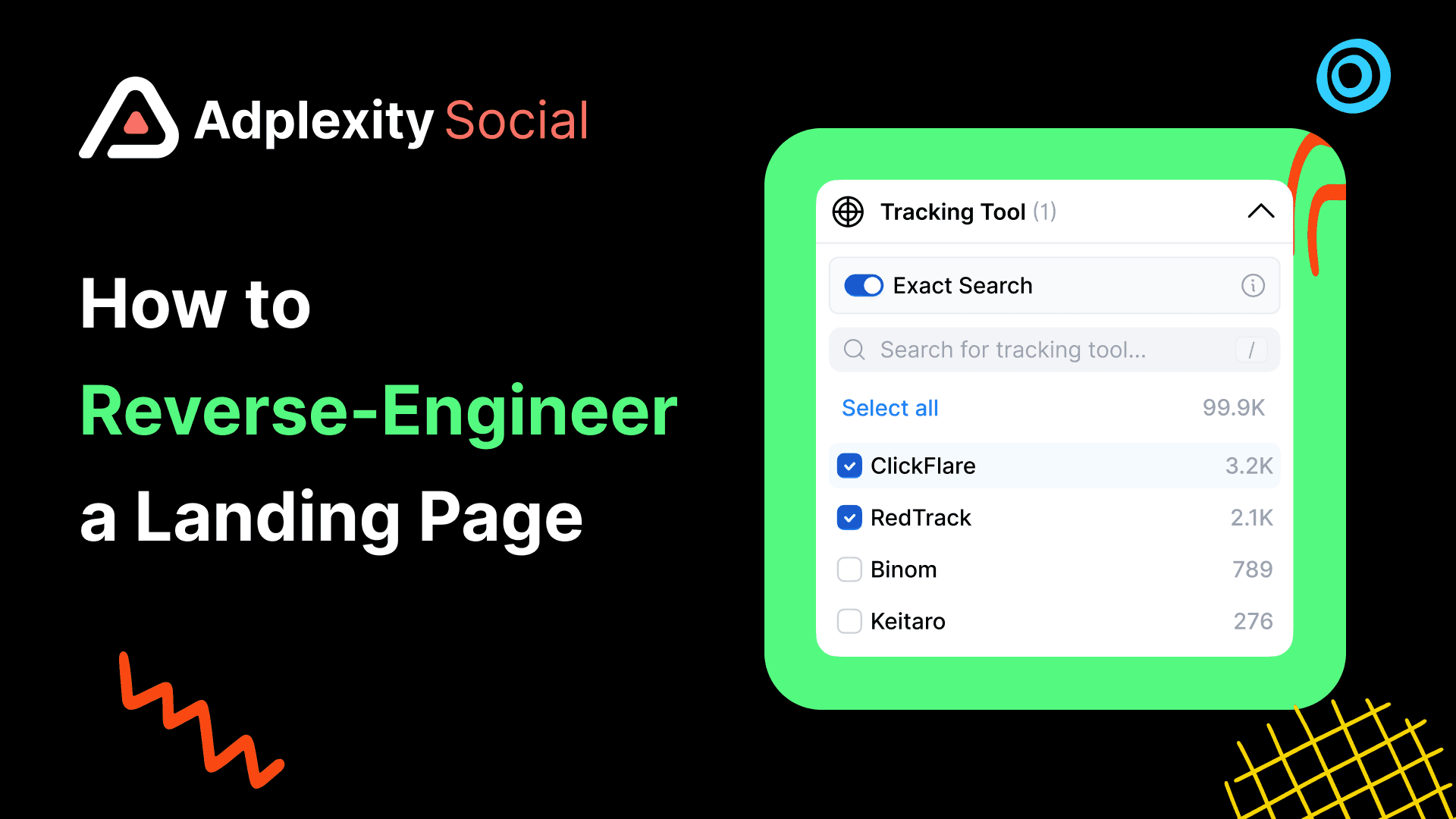
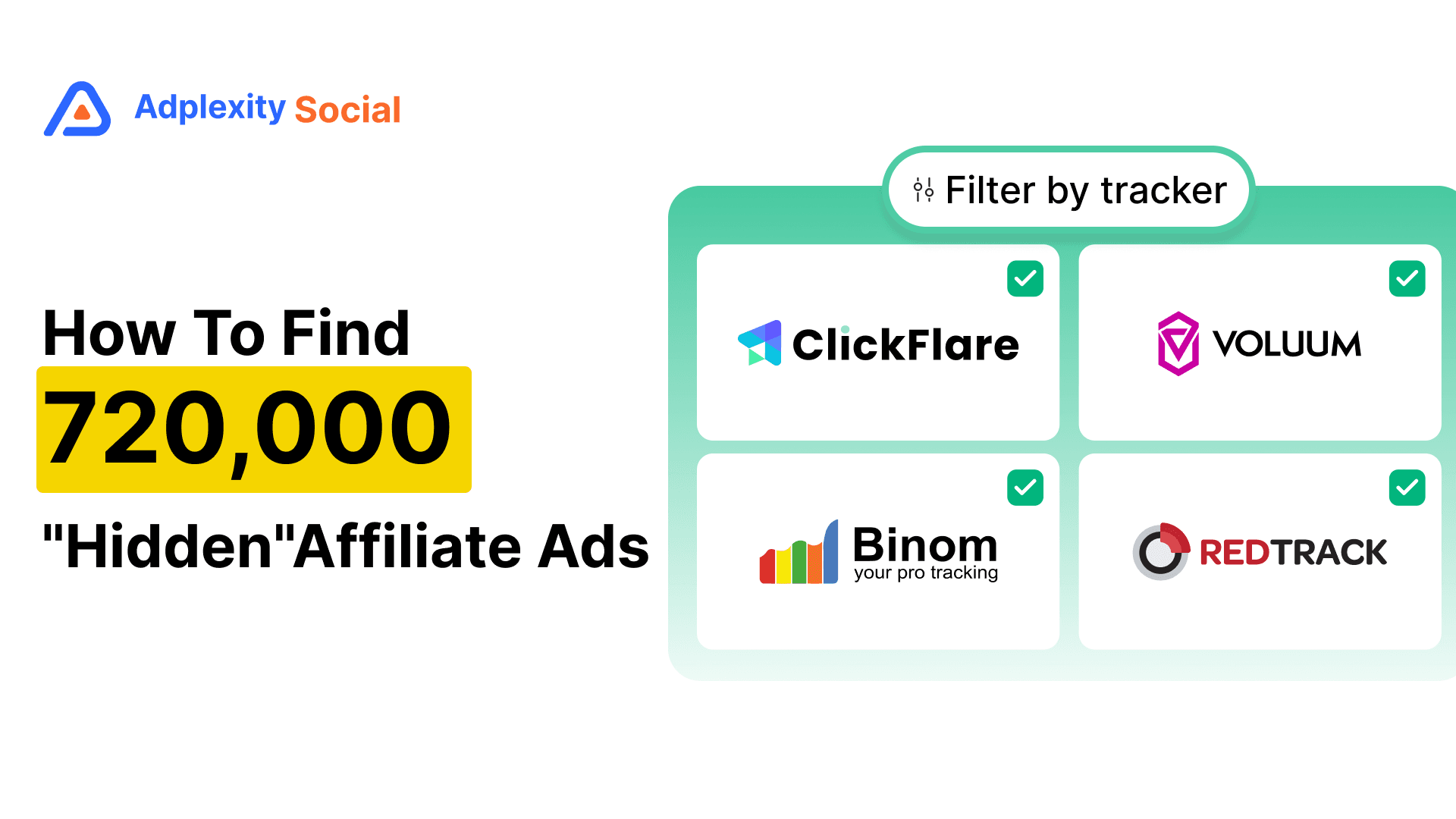
And if you want to find the affiliate side of this niche, Redtrack and ClickFlare will immediately tell you who is running a pre-lander funnel.
Home improvement is one of the most active lead gen verticals on Meta, but it gets surprisingly little attention compared to weight loss or finance.
Most people assume it is local contractors running basic ads. The reality is a lot more interesting.
Pull up AdPlexity Social and filter for roofing, bathroom remodel, and windows, and you are looking at roughly 100,000 ads running in the last 30 days.
That is not including gutters, flooring, or other sub-niches in the space. Just those three.
What is actually running in there, and how do you figure out who is winning? Here is how to work through it.
Watch the full video breakdown here:
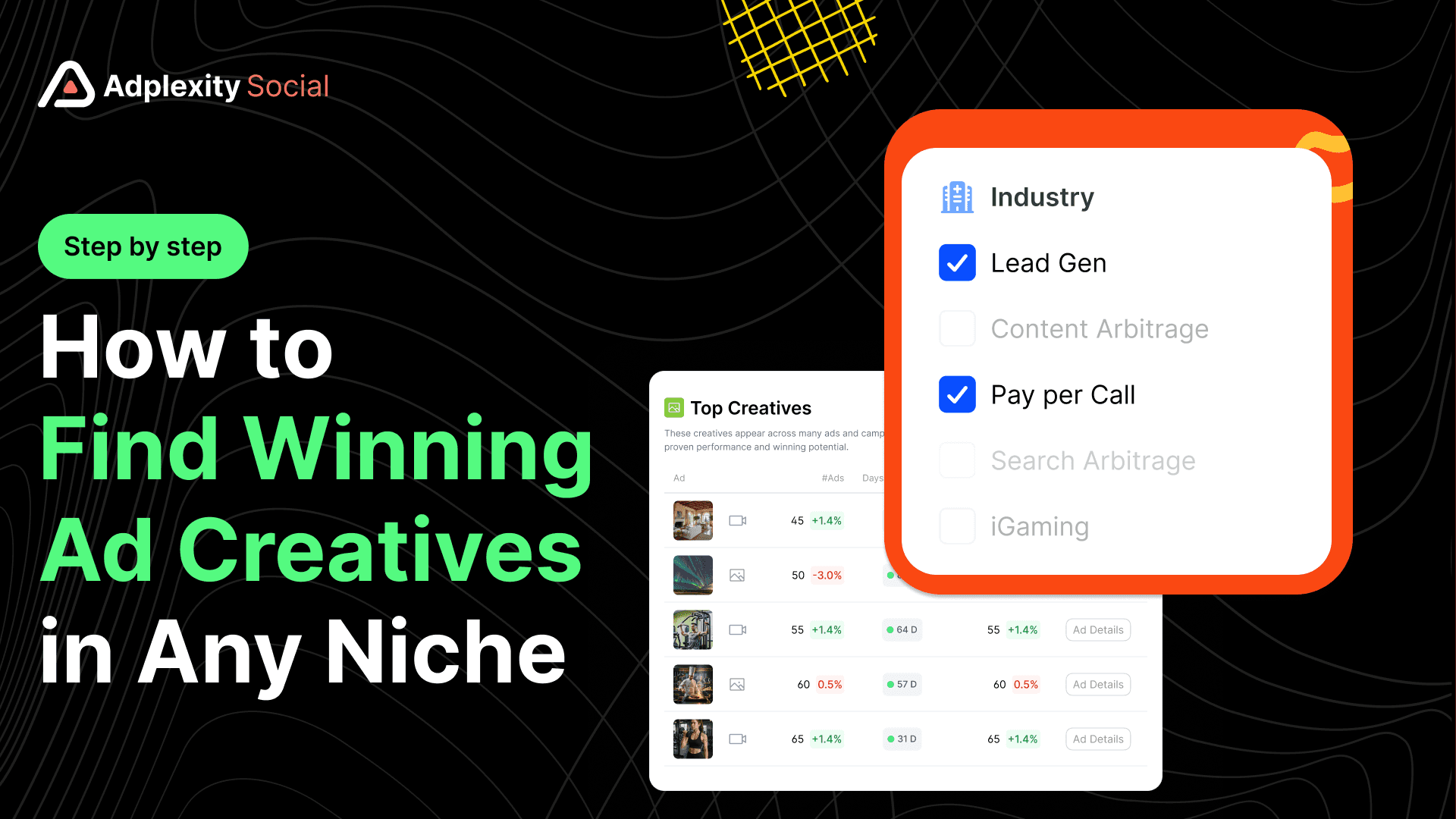
Start With Vertical Filters
The fastest way into any niche analysis is the vertical filter. For home improvement, three dedicated categories account for the bulk: roofing at about 35,000 ads over the last 30 days, bathroom remodel at 39,000, and windows at 27,000. Combined, you are at just over 100,000 ads.
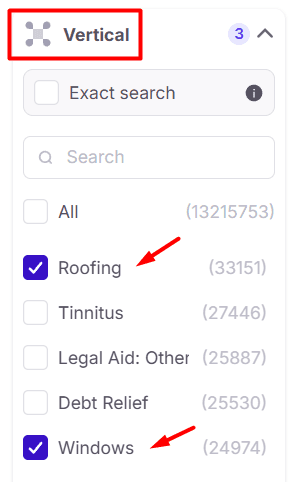
You will notice some e-commerce mixed in, especially under bathroom, because companies selling products like shower accessories or faucet hardware get caught in the same category.
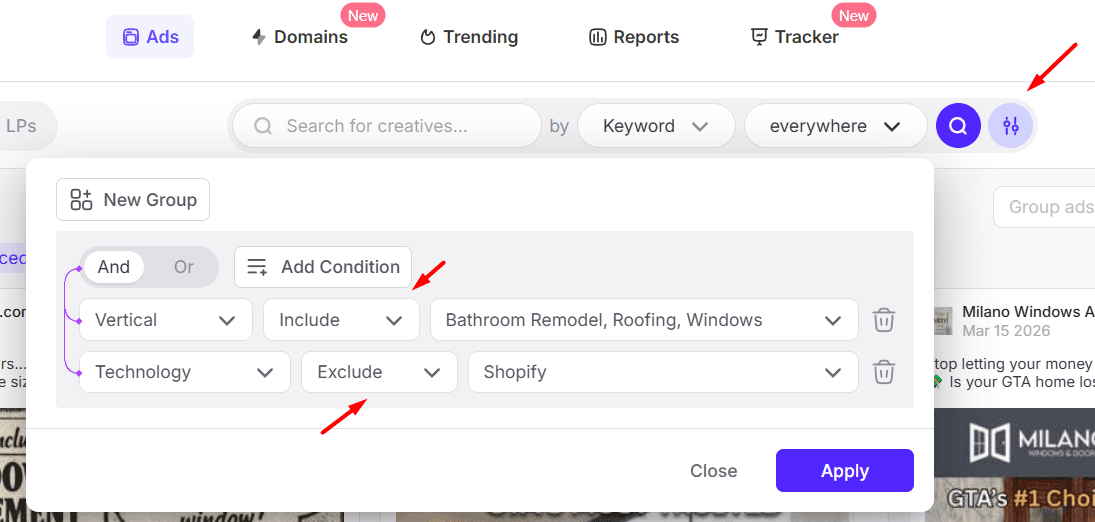
That is easy to clean up later by excluding Shopify from the tech stack filter. For now, the vast majority of what you are looking at is legitimate lead gen.
Finding What Is Actually Working: The Longevity Filter
The shortest path to finding profitable ads is longevity. Sort by "running longest" and you will see ads that have been active for over 1,000 days.
Useful benchmark data, but not what you want to focus on. Those very long-lasting ads are often brand campaigns or evergreen creatives that have been left running on low spend.
They do not tell you much about what is working right now.
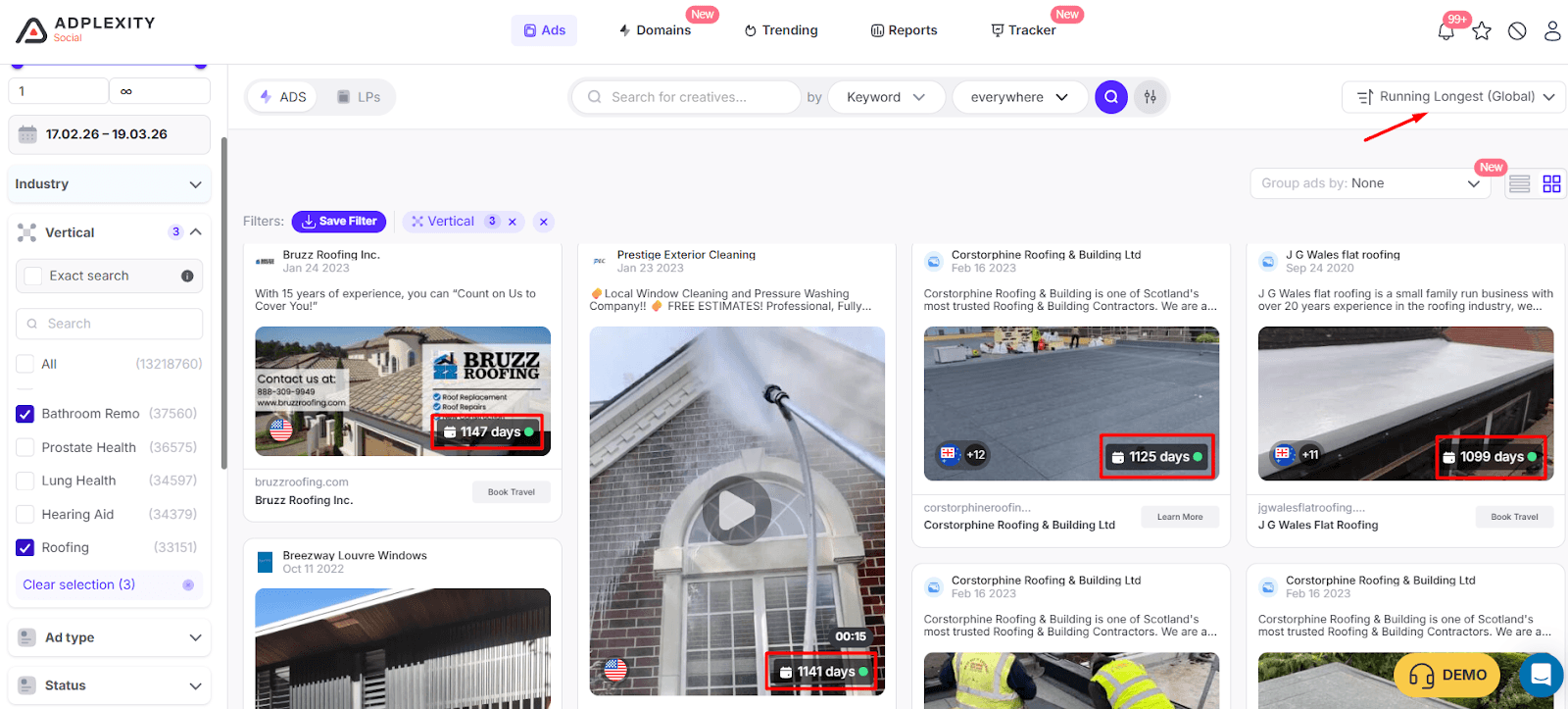
Set the maximum to around 100 days. That is already a serious run for any paid ad, and it filters out the noise at the top while keeping the ads that have survived long enough to prove themselves.
100 days of continuous Meta spend in a competitive niche like roofing means someone is making money on this.
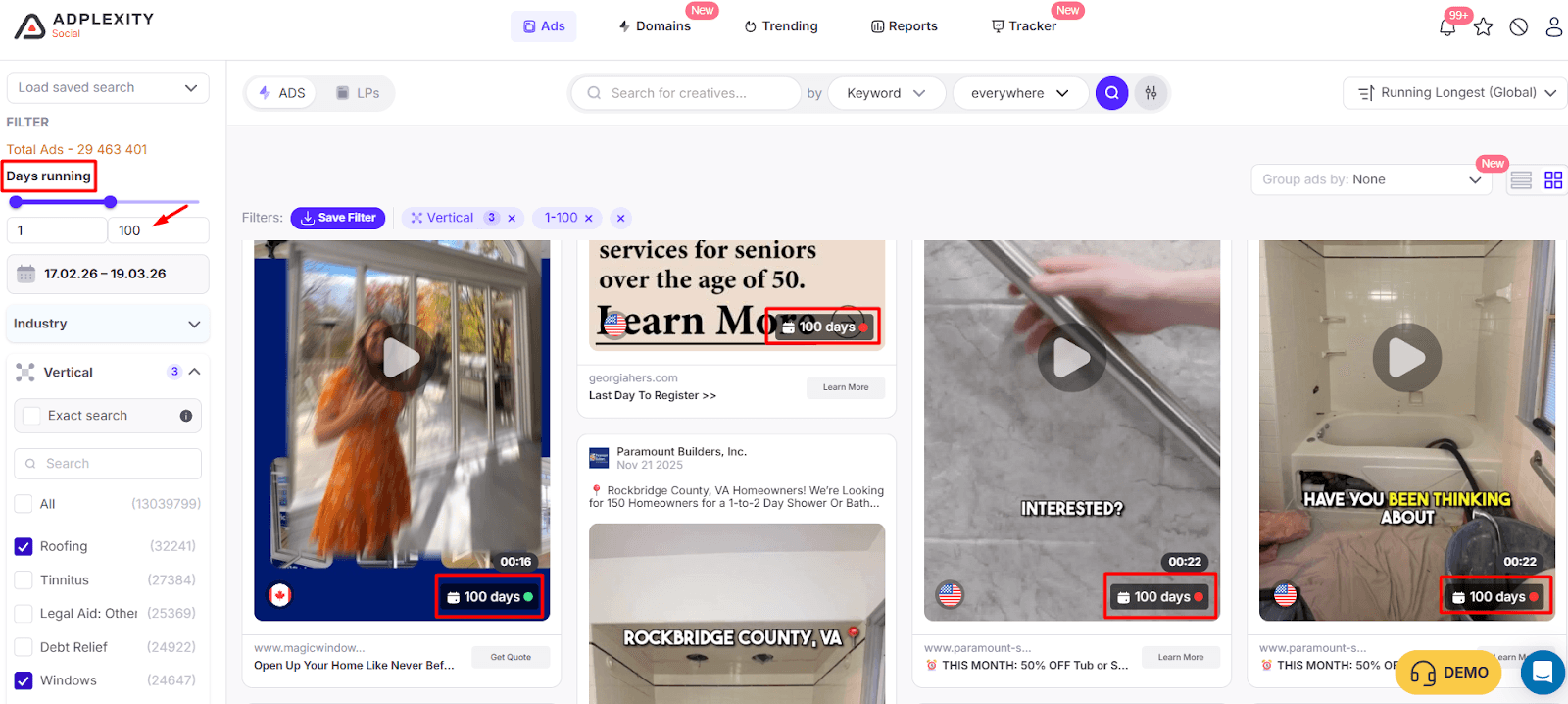
County Targeting: The Strategy Everyone in This Space Is Running
Once you start sorting through the ads, one pattern becomes impossible to miss.
Advertisers are not running generic home improvement ads.
They are running the same creative, over and over, with the ad copy and headline swapped out to reference specific counties.
"Rockbridge County homeowners. New windows available in Middletown. Argyle homeowners, limited installs."
This is not a coincidence. It is an intentional system.
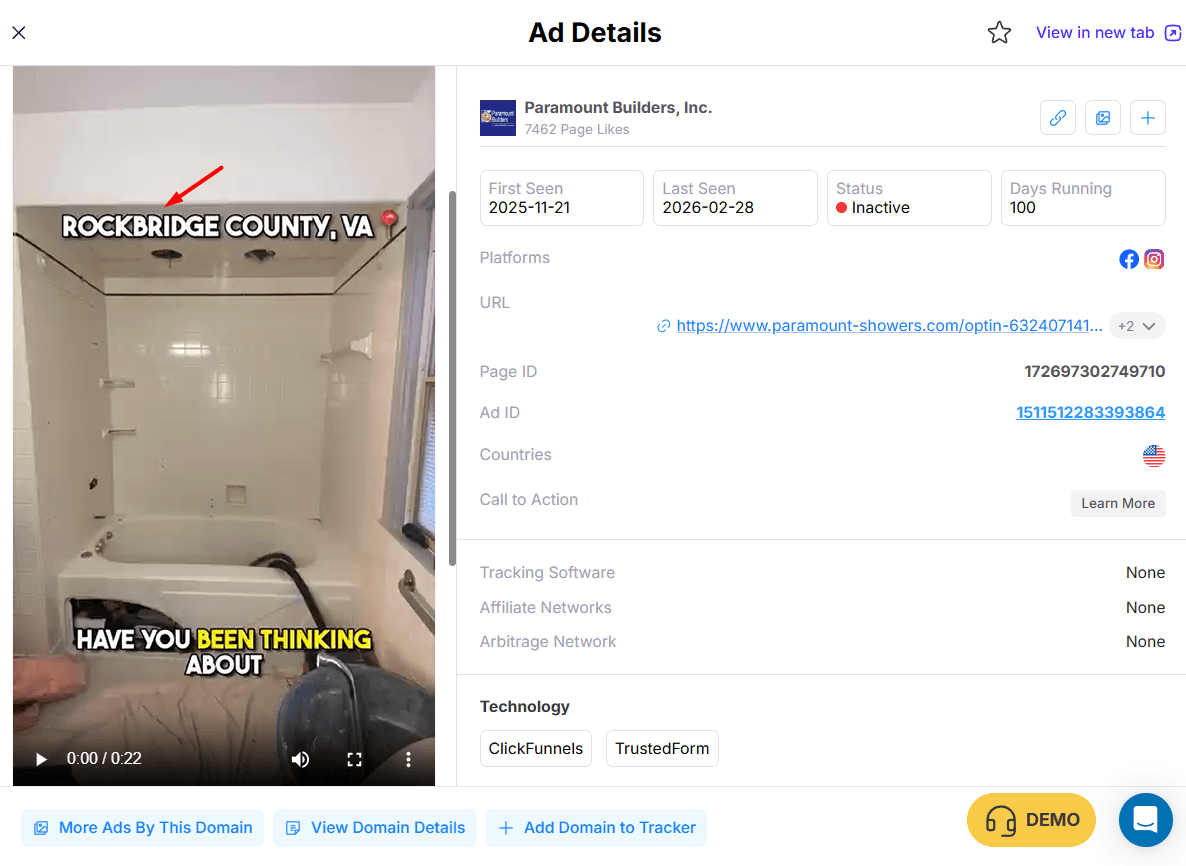
Here is how it actually works: a lead-gen aggregator (or a large operator running its own network) has contractor relationships across hundreds of local markets.
When a lead comes in from Rockbridge County, Virginia, their backend automatically routes it to the right contractor for that territory.
The advertiser does not have to manually manage any of that. But on the ad side, they target by county, name the county in the copy, and match the targeting to that specific audience.
The result is an ad that feels hyper-local to the person seeing it, even though the advertiser is running the same structure in 300 counties at once.
One creative, one core message, dozens or hundreds of ad variations.
The same single windows image in AdPlexity Social has been deployed across 5,500 ads and 26 different Facebook pages, first seen in September 2025, and is still actively running in mid-March 2026.
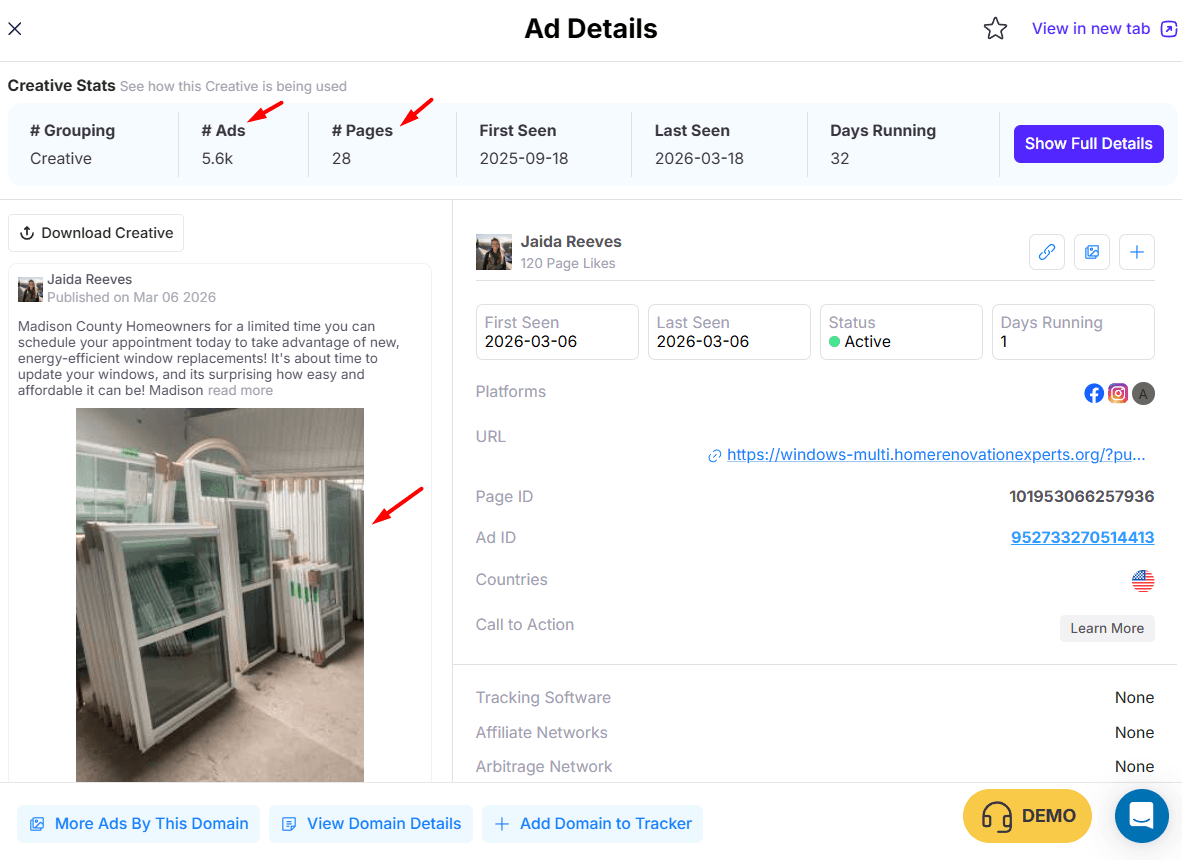
That is not a local contractor. That is an aggregator at scale.
Reading the Tech Stack to Separate Lead Gen From Affiliates
This is where the analysis gets genuinely useful, because the tech stack tells you exactly what type of operator you are looking at and what kind of funnel they are running.
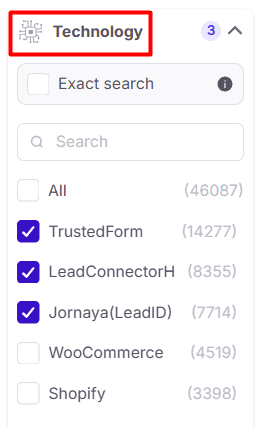
Lead gen operators collecting leads directly will almost always show TrustedForm, Lead Connector, or Jornaya on their landing pages.
These tools are used to certify and capture leads in real time, which is standard practice for anyone selling into a pay-per-lead or pay-per-call network.
Out of the 100,000 ads in this space, about 24,000 (24%) use at least one of these three technologies.
That is a clean signal: if the landing page has TrustedForm, you are looking at a professional lead gen operation.
If you filter to Redtrack or ClickFlare instead, you shift into the affiliate side of this market.
Redtrack accounts for about 9,000 ads in this space, and ClickFlare another 6,700.
Ads running through these trackers typically land on a pre-lander that the affiliate owns, and the pre-lander then redirects traffic to an offer page they do not own.
The quiz funnel is a common format here: ask a few qualifying questions ("How many windows are you looking to replace?"), build intent and commitment, then drop the user on a form at the end.
The affiliate gets paid per lead submitted.
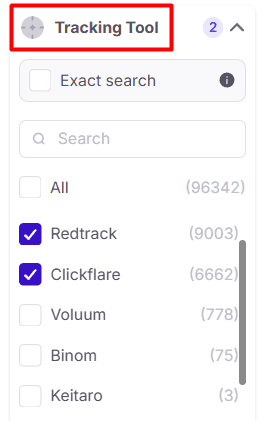
The practical difference matters for research. Ads running TrustedForm are owned by the entity collecting the lead.
Most ads running Redtrack or ClickFlare are likely owned by an affiliate sitting between the traffic source and the actual offer.
Landing Pages: Two Formats Dominate
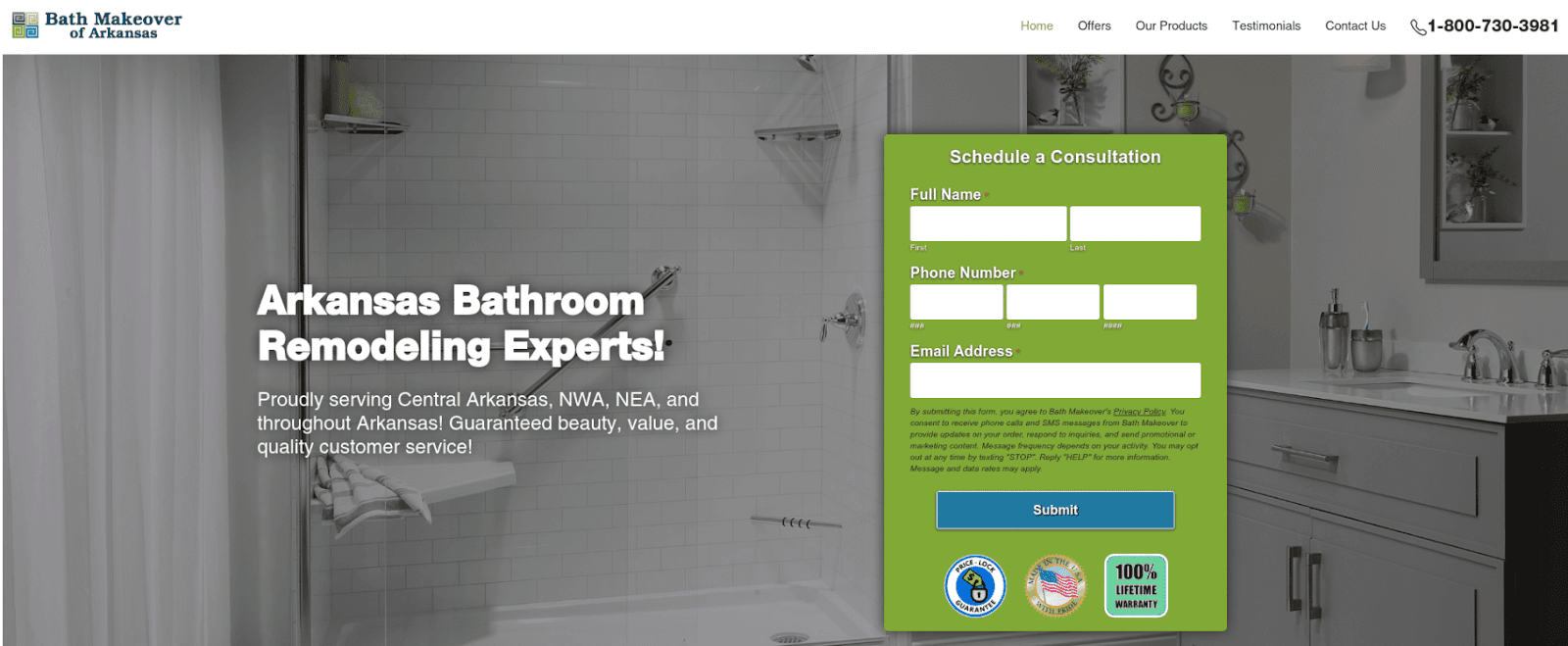
Across roofing, windows, and bathroom remodels, landing pages fall into two buckets.
The first is a direct form.
Simple page, benefit statement, fill in your contact details to get your free quote. This is the dominant format for larger operators and aggregators.
Clean, fast, no friction beyond what is necessary. Sometimes the page will also include county-specific copy to match the ad.
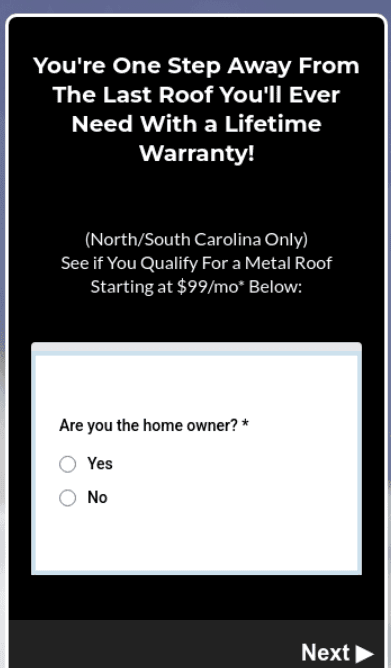
The second is a quiz funnel.
The user works through 3-5 questions ("Are you a homeowner? What type of project?
When are you looking to start?"), and the form only appears at the end of the quiz after they have already committed to the process.
This format is more common among affiliates but shows up in direct lead gen as well. It typically produces more qualified leads because the user has self-selected through the process.
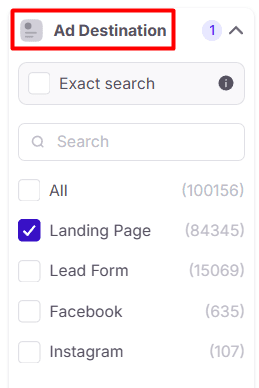
Facebook Lead Forms are also in the mix, but they are a smaller portion of the total.
Out of 100,000 ads filtered to landing page destination, 86,000 go to an external landing page, and about 15,000 go to a Facebook native lead form.
If you are doing competitive research, filter to "landing page" as the destination.
That is where the real conversion infrastructure is.
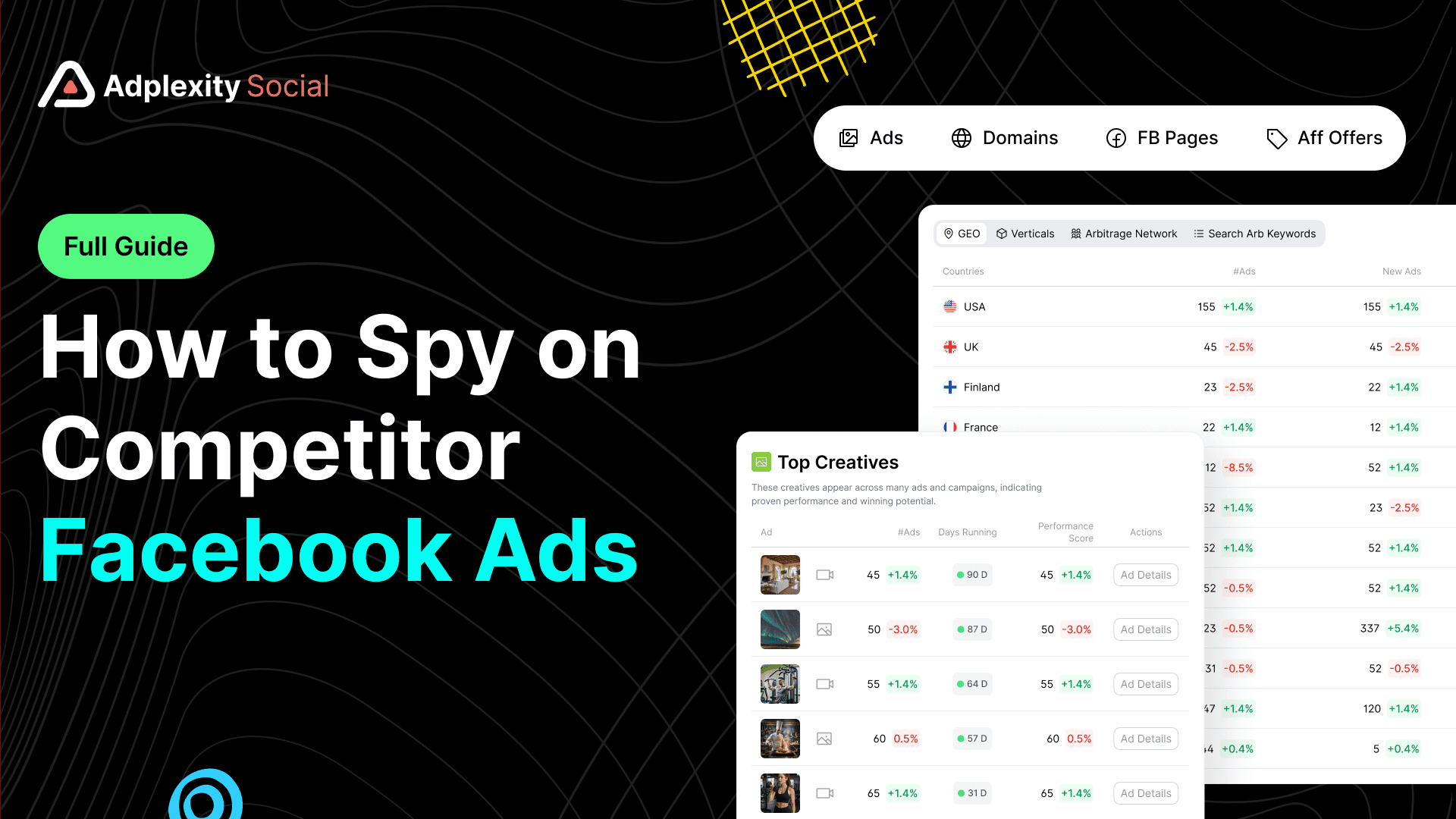
Finding Winning Domains and What Their Data Tells You
The domain dimension is where the analysis goes from "interesting" to actionable.
Once you have applied the vertical filters and switched to the domain view, you will see which destinations are receiving the most ad traffic across the whole space.
The top operators in roofing, windows, and bathroom remodel typically show 4,000+ active ads, and they are not running everything from a single branded page.
The dominant aggregators in this space distribute their ads across dozens of pages that look like real people, not corporate brands, to make the ads feel native and organic in the feed.
One top domain had 26 distinct Facebook pages running the same creative.
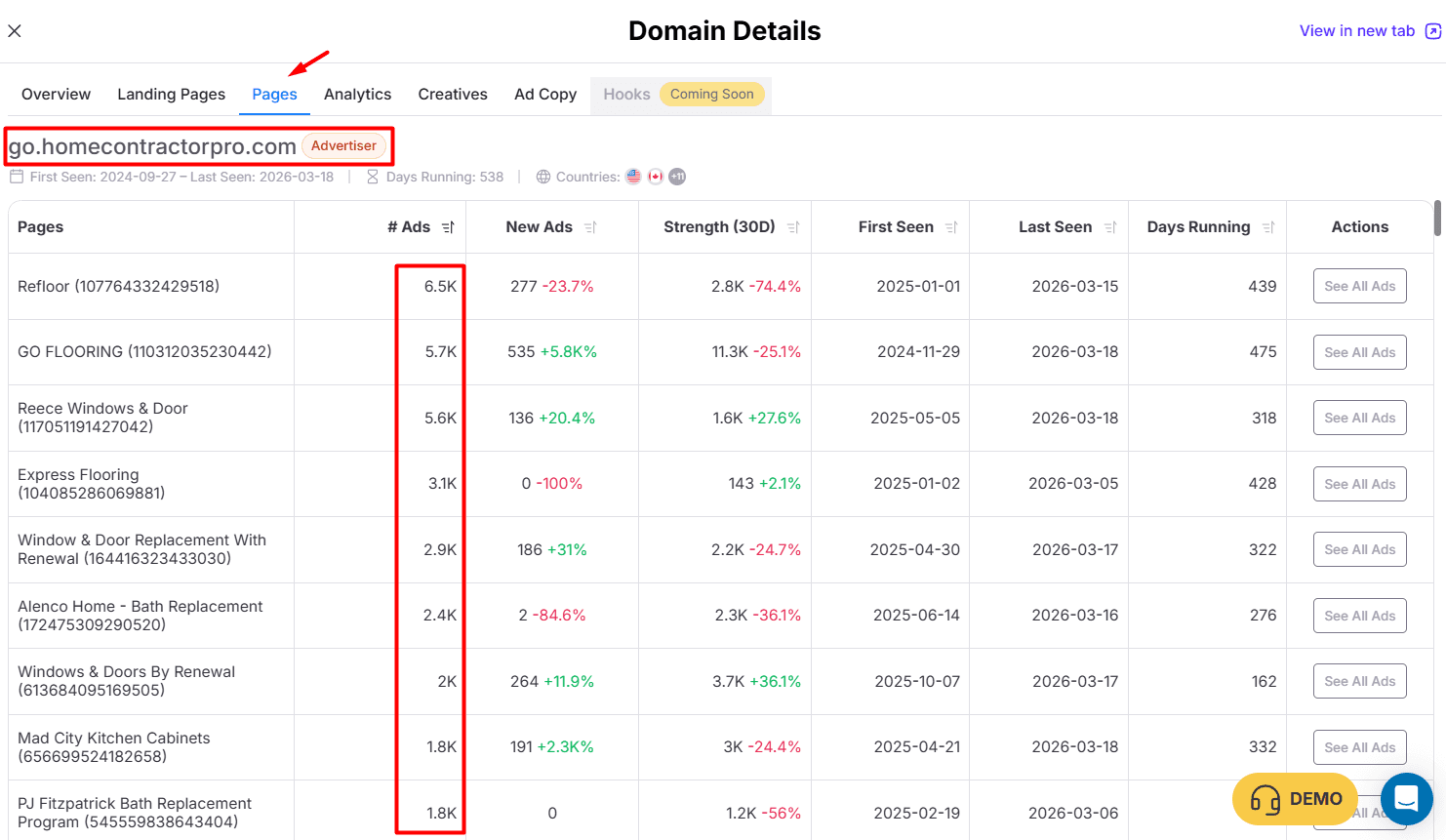
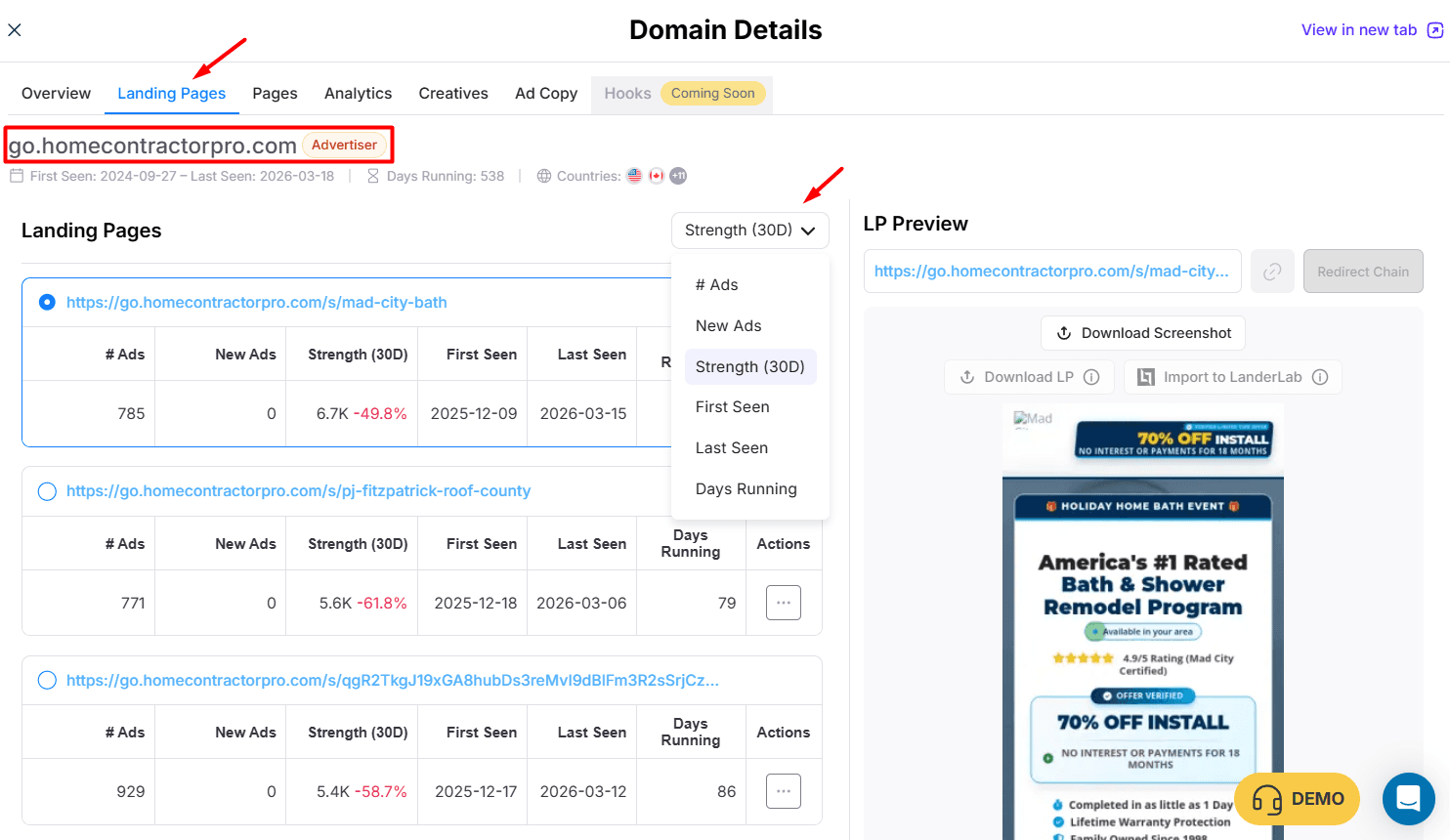
Inside the domain view, you can also see the breakdown of which landing pages they are testing, how those pages are trending, and what the strength score looks like.
Sort by "number of ads" to see what worked historically. Sort by "last seen" to find what they are pushing right now.
Sort by "new ads" to see what is getting fresh spend.
The combination of those three views gives you a picture of where an operator is building confidence versus where they are pulling back.
The strength score adds another layer: a high-strength page that is declining in new ads is a funnel they have moved on from.
A page with lower historical volume but rising new ads is where they are currently testing.
You want to know both, but the second one is more useful if you are trying to run something similar today.
What This Analysis Actually Gives You
Home improvement lead gen looks simple from the outside. It is not.
The operators making real money here have built remarkably systematic approaches: county-specific creative at scale, clean tech stacks that route leads into compliant networks, and quiz funnels that qualify before the form even loads.
None of that is visible from Facebook's Ads Library.
You can see an ad. You cannot see that the same creative is running across 5,500 ads and 26 pages, or that the landing page has TrustedForm embedded, or that the domain running it has 4,000 active ads across bathroom, windows, roofing, and kitchen.
If you are in the lead gen space or considering entering home improvement, this is the kind of intelligence that tells you whether the market is active and who the serious players are.
The data is there. You just need a tool that actually indexes it.
Discover Winning Meta Ads
Similar Blogs