
Behind The Ads is Live. Episode One: Lead Gen in 2026 with Gabriel Ansel
Share:
A new podcast for performance marketers who want to hear what is actually working, from the operators running the campaigns. Episode one is out now.
If you run paid social for a living, you already know how hard it is to find honest information about what is working right now. Most podcasts in this space are recycled thought leadership. The people who actually move money do not talk much, and when they do, it is usually inside private chats and small masterminds.
That is the gap we are trying to close with Behind The Ads, the new podcast from AdPlexity.
No theory. No agency talk. Just operators sitting down to break down what they are running, what they have killed, and what they are watching closely. The format is simple. One operator per episode, a long conversation, no fluff.
For episode one, we sat down with Gabriel Ansel, founder of the Advanced Affiliates community and a lead gen operator who has been in the affiliate space for almost two decades. The topic: what is actually working in lead gen on Meta in 2026.
Why we built Behind The Ads
Most marketing podcasts interview the same circle of agency owners and thought leaders. The advice ends up sanitized, and the specifics get blurred out so nobody offends anyone.
We wanted the opposite. We wanted a podcast where operators talk like operators. Where the host has actually run campaigns and the guest has actually scaled them. Where the conversation goes to the level of detail you would only get if you were sitting at the same dinner table after a conference.
Behind The Ads is hosted by Guido Silbert, Head of Marketing at AdPlexity. Each episode features a different operator in the performance marketing world. Lead gen, ecom, pay per call, affiliate, search arb. If you run paid traffic, this show is for you.
Episode one is now live on YouTube.
Lead gen is harder, but the operators left standing are making more money
Gabriel opened the conversation with a take that surprised us. Lead gen has not slowed down. The economics have shifted, but volume is still there for operators who know what they are doing.
The big change is on the buyer side. Lead buyers have tightened up. They are paying less for dirty traffic, and they are paying more for clean, qualified leads. As Gabriel put it, the days of running aggressive grey hat traffic and forcing the buyer to clean it up on their end are mostly over.
"I'm sure there's people doing it, but the days of just running pretty aggressive and getting super cheap leads and them trying to figure it out on their end is over. Now the buyer wants quality, and if you can deliver quality, you get paid for it."
The operators who survived that shift are now in a better position than before. Clean traffic gets premium payouts. Relationships with buyers look more like partnerships than transactional affiliate deals. And the operators who could not adapt have quietly left the space.
This is the version of lead gen most people do not see on social. It is not the bro screenshot version. It is operators dialing in compliance, working with buyers on quality, and getting paid more per lead because of it.
The verticals Gabriel keeps coming back to
Gabriel was direct about which verticals are still pulling weight on Meta in 2026. The list will not surprise anyone who has been in lead gen for more than a year, and that is the point.
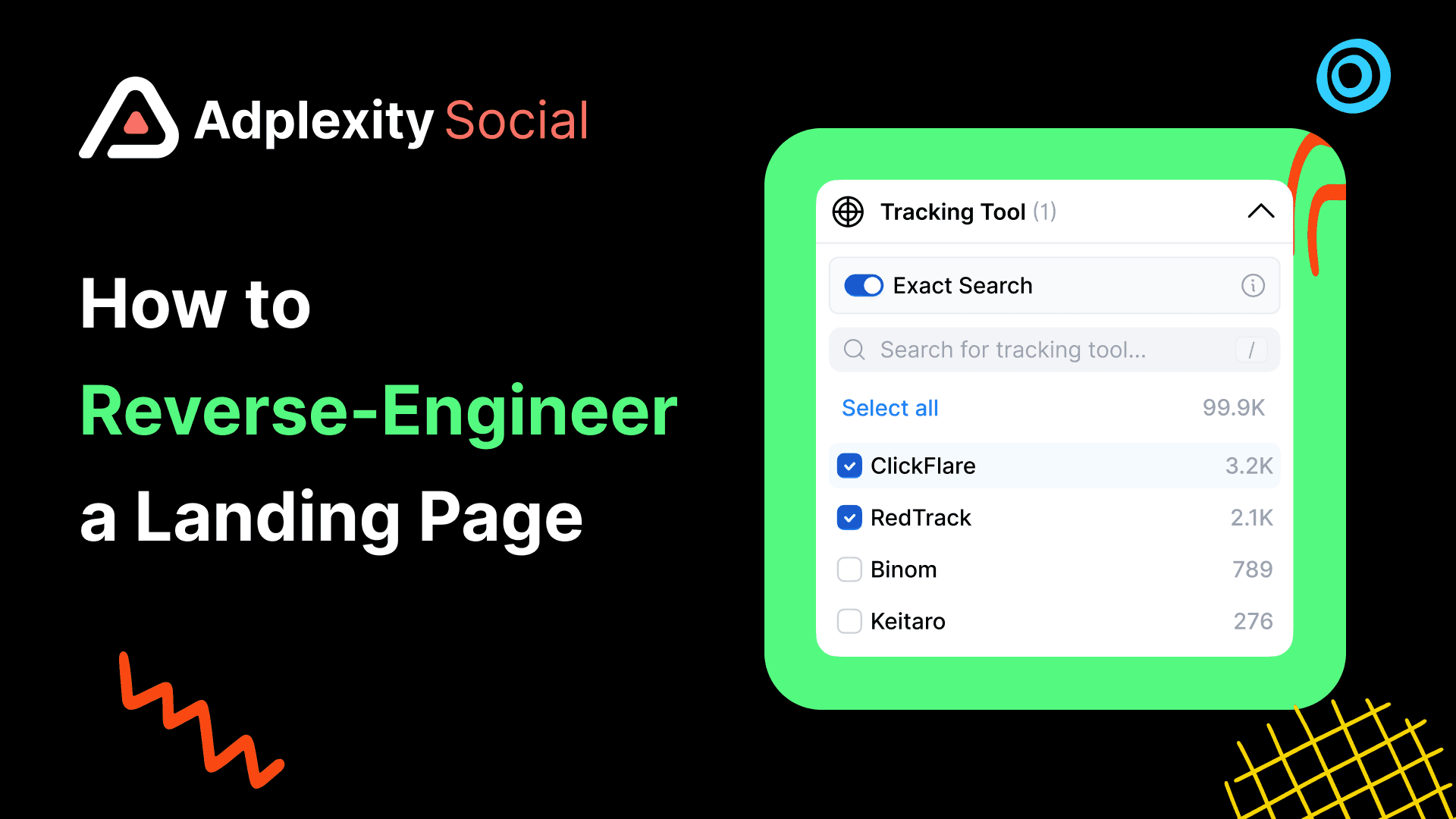
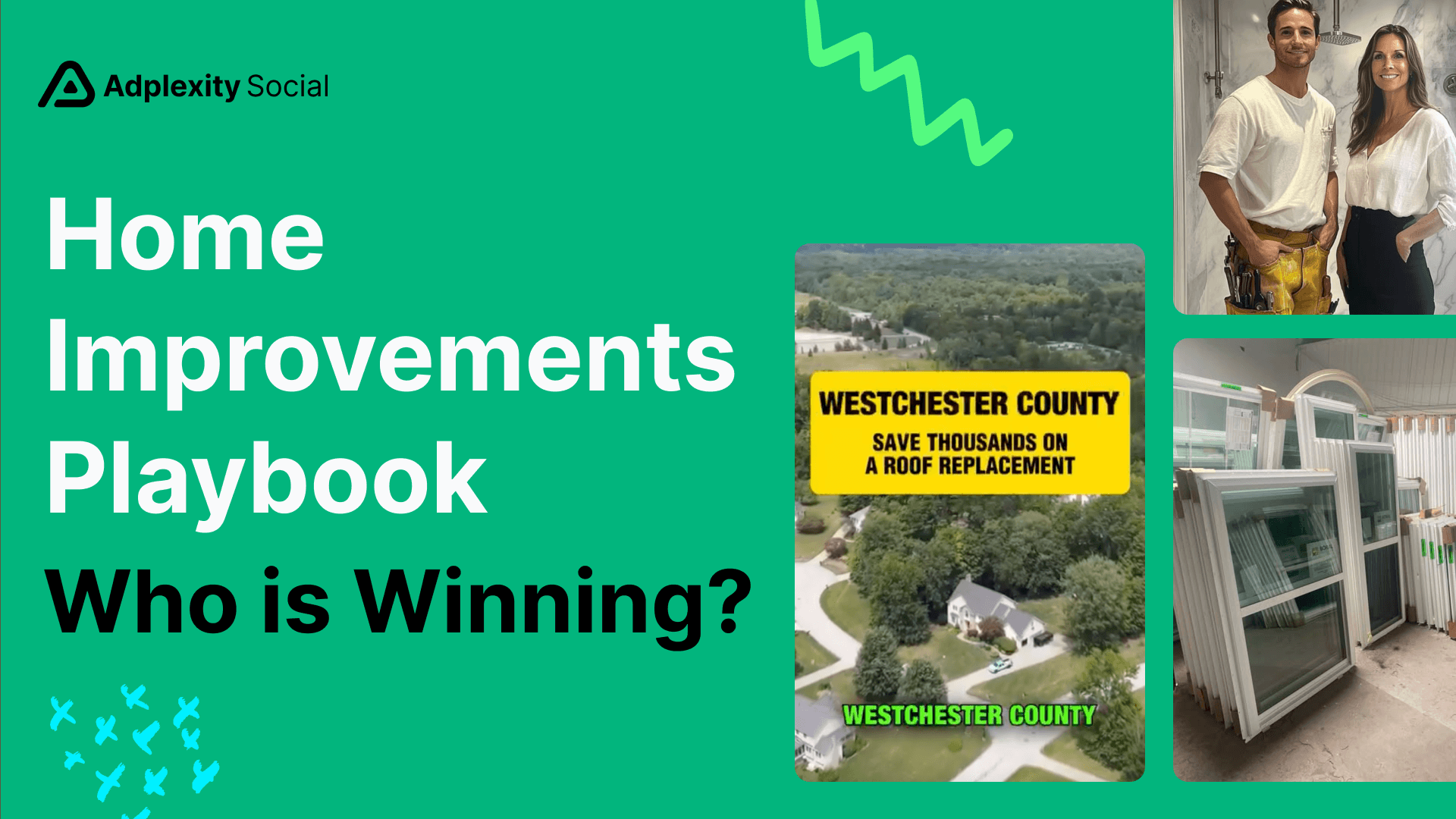
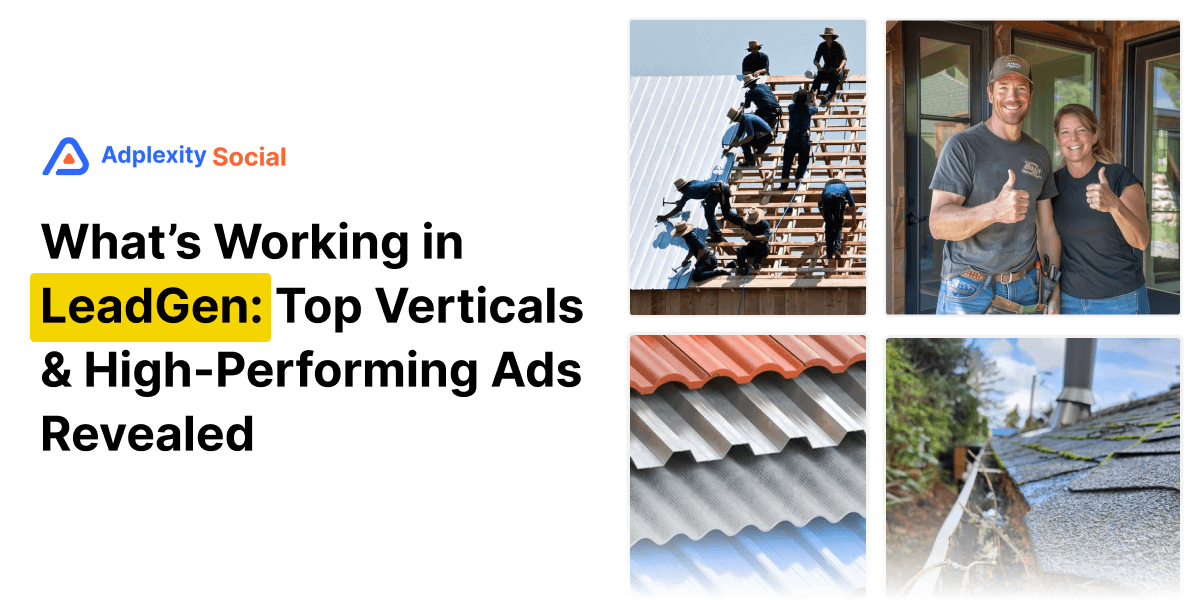
Home services is where he tells almost every new operator to start. Roofing, windows, bathroom remodel, siding. The reason is not just volume. It is that the creative angles are clean. There is nothing inherently sketchy about a discount on a window replacement, so Facebook does not flag it the way it would flag a mortgage refinance creative with photos of checks in it. New operators can learn the mechanics of lead gen without burning ad accounts. We did a full walkthrough of the home improvement niche in AdPlexity Social, covering the tech stack signals, longevity filtering, and county-level targeting strategy these advertisers use.
"If somebody comes to me and they're like, hey, I want to get into lead gen, I'm always going to tell them start with home services. It's the easiest vertical to learn on. You can't really mess it up."
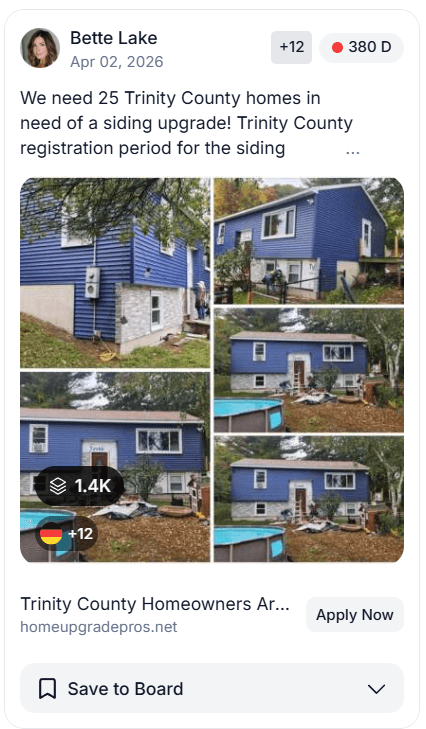
Debt relief is still massive, with one caveat. The leads only convert if the person is employed, which means the offer is partially gated by the broader employment picture.
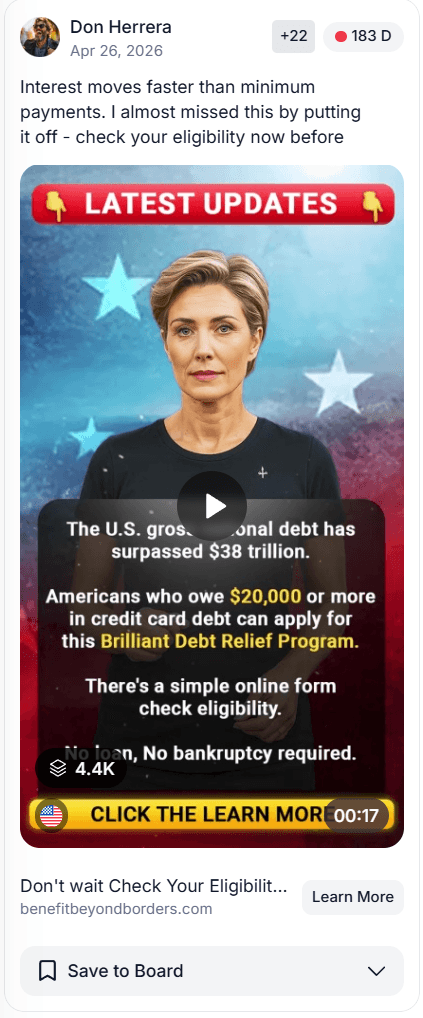
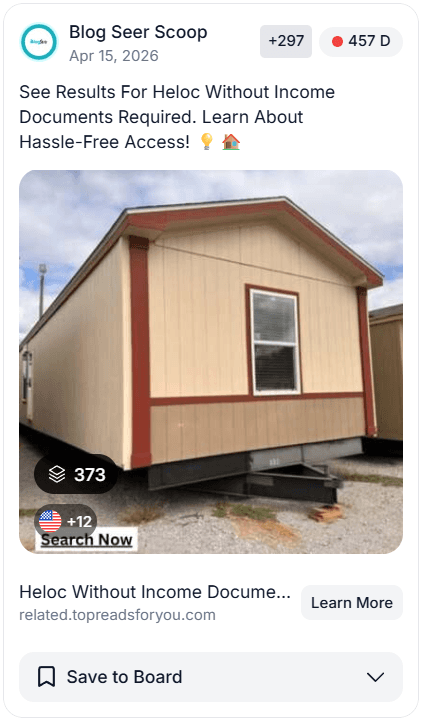
Mortgage refinance and HELOC are back. Two years ago, this was dead. With rates settling and homeowners looking for ways to put cash in their pockets, refi is one of the verticals Gabriel is actively running.
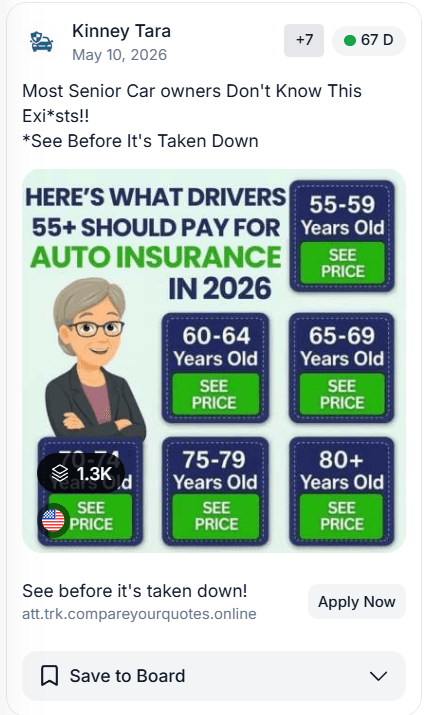
Auto insurance is what he calls his least favorite niche, but he was quick to point out that this is personal preference, not market reality. The volume is there, the buyers are there, and the operators who specialize in it are making real money.
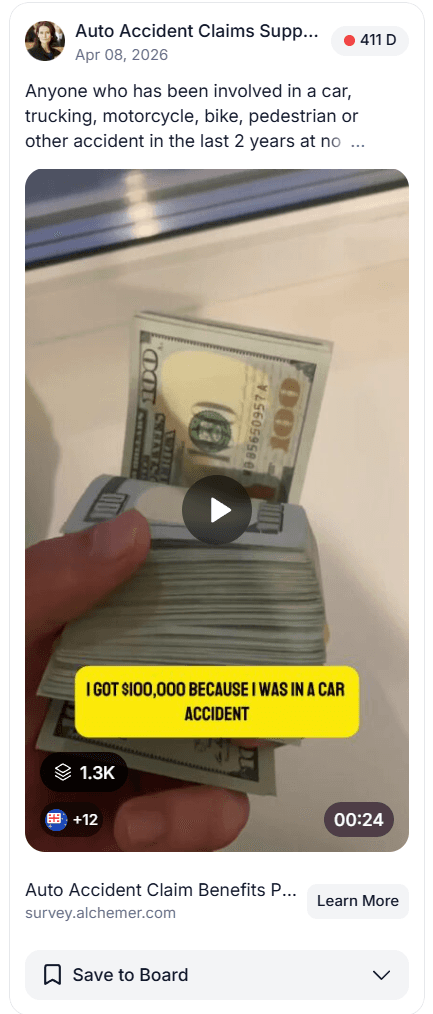
MVA, motor vehicle accident leads, keeps showing up in our platform too. Gabriel has tested it. He admits he could not crack it at scale. He suspects it is a state-by-state niche, where Texas, in particular, is producing volume. The takeaway is that not every vertical with high search volume is one a generalist can scale. Some require direct relationships with buyers in specific states.
The pattern across all of these verticals: the offers do not change much year over year. What changes is which operators are winning them.
The creative team is now the most valuable team in the building
This is the part of the conversation that we think every paid social operator should hear.
Gabriel made the strongest case we have heard yet for restructuring how you think about your team. His position: media buying has become a commodity. The creative team is now the lever that moves the business.
Five years ago, you needed a great media buyer. Someone who understood targeting, bid strategies, account structure, and the dark arts of getting Facebook to do what you wanted. That skillset still matters, but it is not where the edge is anymore.
Today, Facebook's algorithm does most of the heavy lifting on optimization. The variable that decides whether a campaign wins or loses is the creative. Not the targeting, not the bid, not the account structure. The hook in the first three seconds of the video. The angle. The script. The thumbnail.
Gabriel has restructured his entire operation around this. His media buyers, who are excellent, are paid less than they used to be relative to the rest of the team. His creative director gets a percentage of profit. His copywriters and video editors have full access to the ad accounts and the tracking platform so they can dig into the data themselves and adjust based on what they see.
"We're getting to a point now with Facebook that there's no right or wrong way to run ads anymore. It just comes down to the creative."
If you are still treating your creative team as a service department that ships assets to your media buyers, you are running a structure from 2020. Gabriel's team is treating creative as the profit center.
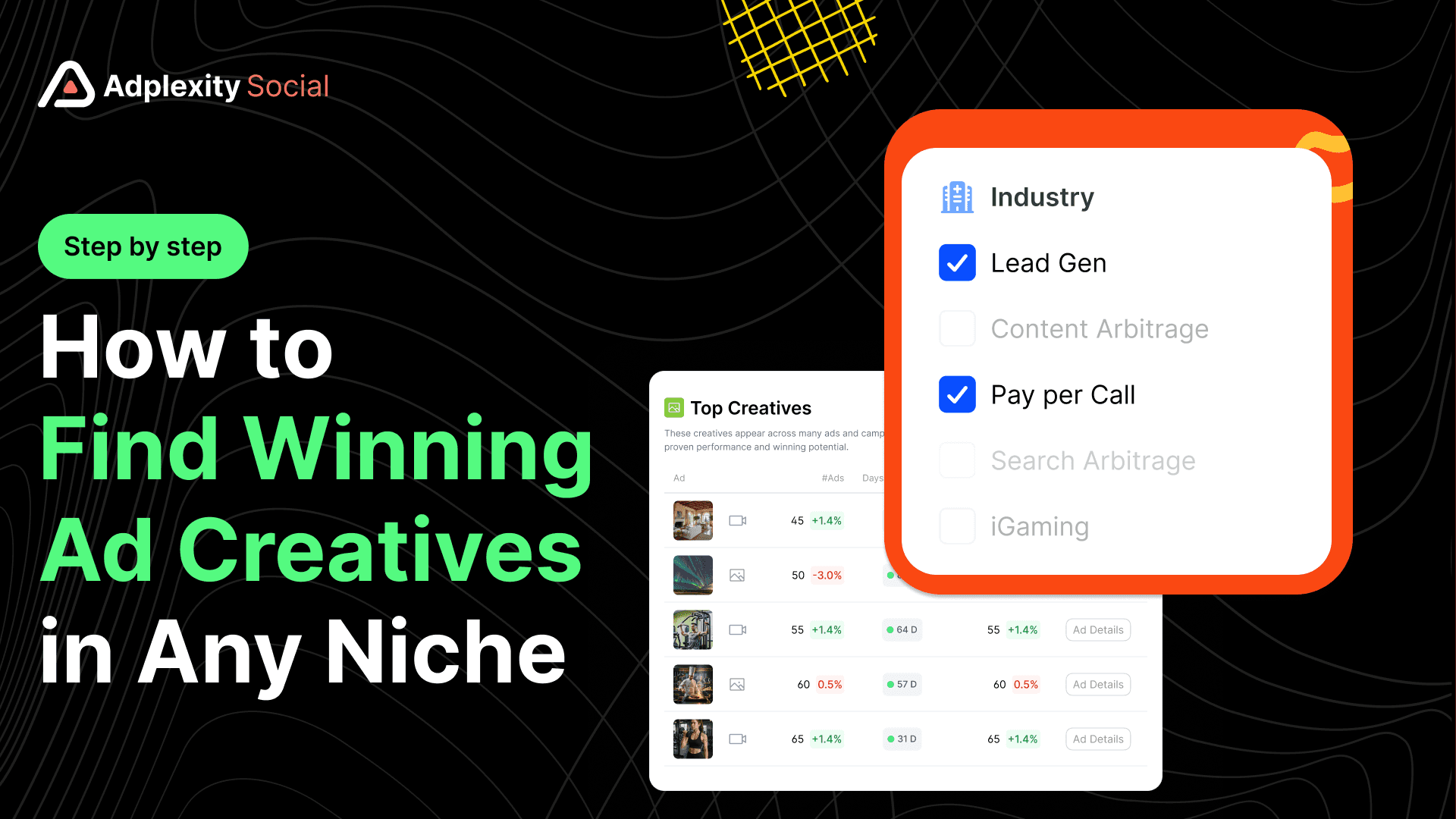
One specific tactic worth stealing: his creative director can pull up the data on any video and see where the hook rate falls off. Then they iterate on that exact moment in the next variation. This is impossible if your creative team does not have access to performance data. If you want a deeper look at this workflow, we covered how to find winning ad creatives in any niche in a separate post.
From pre-landers to direct video
Gabriel's funnel structure has changed completely in the last few years, and it is worth understanding why.
Five years ago, his ads were ninety-five percent images. Image ads do not carry much intent. You needed a pre-lander, usually a multi-paragraph body of copy followed by an age selector or a quiz, to warm the user up before sending them to the offer.
Today, ninety-five percent of his ads are video. Mostly UGC style, mostly thirty seconds to a minute long, and almost all of it generated with AI.
"Five years ago, ninety-five percent of my ads were images. Now, ninety-five percent are video. And almost all of it is AI generated. The video itself is the pre-lander now."
The video does the work the pre-lander used to do. The video itself is the pre-sale. It walks the user through the offer, often shows the actual landing page on a phone, and primes them for exactly what to expect on the next click. So Gabriel sends them straight to the offer.
He still uses landing pages in specific cases. Mortgage refinance, where quality issues force more qualification upfront. But for most of what his team runs, the funnel is now: video ad to offer. That is it.
The implication for testing is significant. Gabriel's team is testing one hundred to two hundred creative variations per week. Most are minor variations on what is already working. Without AI, that volume would require a small army of editors. With AI, it requires a creative director who knows what to ask for.
If you are still running long pre-landers in 2026, ask yourself whether your creative is doing the work it should be doing. In many cases, a tighter video kills the need for the pre-lander entirely.
Pay per call: high quality, hard to scale
Pay per call was the loudest topic at every affiliate conference in the last two years. Gabriel runs it. He was honest about the tradeoffs.
When it works, it works really well. The quality is high. The intent is high. The buyers pay well for closed calls.
But scaling it is harder than the show floor at Affiliate World makes it look. The bottleneck is almost always the call center. You need either your own call center, fully trained on your offer, or a very strong partner with one. Without that, you spend months getting scripts dialed in, agents trained, and closers actually closing.
Gabriel runs pay per call at lower volumes than his lead gen operation. Not because the unit economics are bad, but because the operational complexity is high.
The other piece worth thinking about: pay per call is constrained by human hours. Call centers in the US operate across three time zones, with peak close rates in narrow windows. Friday afternoons close worse. Monday mornings ramp slowly. This is not a creative problem or a media buying problem. It is a people problem.
Gabriel is bullish on AI agents replacing some of this in the next year or two. The economics of a call center that never sleeps, never has a bad Friday, and never falls off in performance would change pay per call entirely. We are not there yet, but he expects we will be soon.
"Once AI agents can actually close calls, pay per call changes completely. No more bad Fridays. No more Monday mornings ramping up. It will be one of the biggest shifts in performance marketing in years."
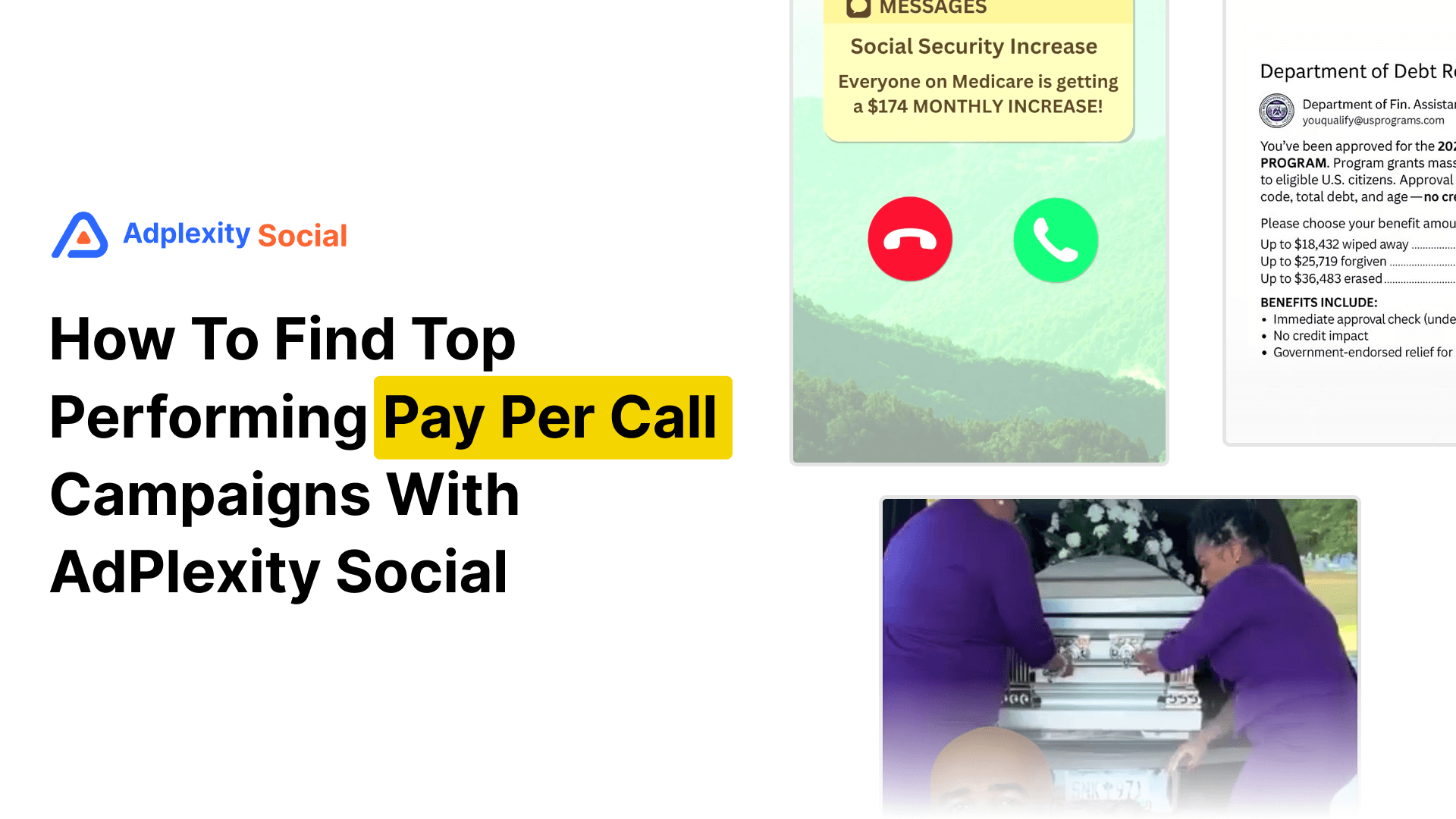
Read this article on how to find the top creatives in the Pay Per Call Space
The argument for going direct to small businesses
This was the tangent we were not expecting, and it might be the most useful piece of advice in the episode for affiliates trying to grow beyond CPL economics.
Gabriel's argument: Affiliate marketers are some of the most skilled traffic operators in the world. They have to be, because the margins are so thin. But by going through affiliate networks, they are sitting at the bottom of the value chain. Every middleman takes a cut before the affiliate sees a payout.
The alternative is working directly with small businesses that can close high-ticket deals. The example he gave: business to business loans. A brokerage might close a $150,000 to $200,000 loan and earn 15 percent. Cut the affiliate in for five thousand on that close, and the unit economics make CPL look like a hobby.
"Affiliates are some of the most skilled traffic operators in the world. But they're sitting at the bottom of the value chain. Every middleman takes a cut before the affiliate sees a payout. If you can cut out the networks and go direct, the unit economics change completely."
The volume is not there at the scale of affiliate offers. But the per-lead value is dramatically higher, the relationship is more stable, and the work to generate the lead is often easier because the audiences are less saturated.
For media buyers running affiliate traffic now, this is worth thinking about as a second business line. You can keep the volume play. You can also add a smaller, higher-margin business serving direct partners.
Inside Advanced Affiliates
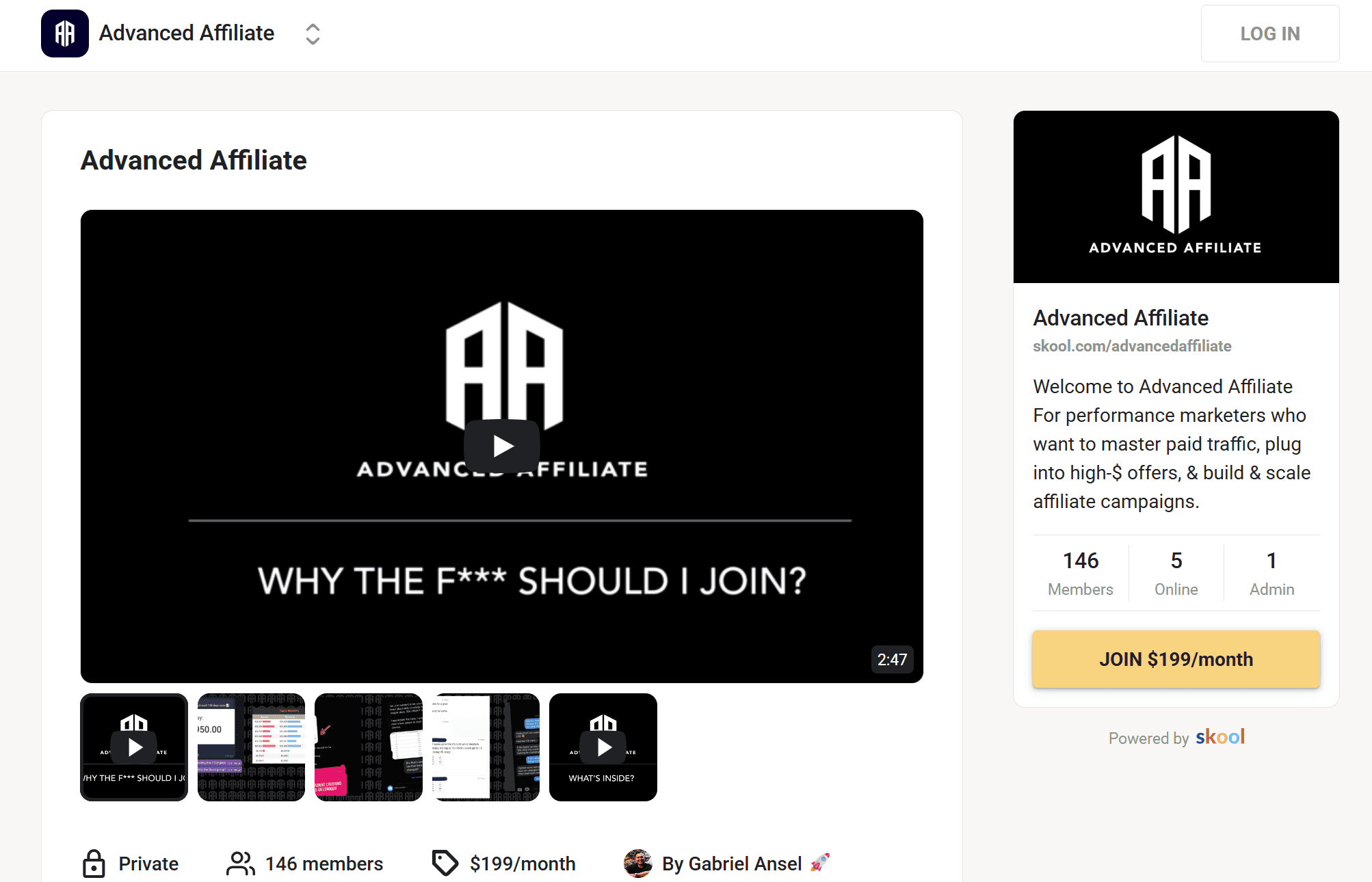
Gabriel runs the Advanced Affiliates community on Skool. It is where he teaches lead gen and where most of the conversation in the episode connects back to.
Members get his full course, weekly calls every Tuesday, and access to a community that ranges from people running their first campaigns to operators spending serious money. The community is not huge, which Gabriel sees as a feature. The signal-to-noise ratio is high, and the people in the room are mostly running campaigns rather than talking about running them.
He also runs in-person events twice a year. Small group, capped at twenty people. The speakers are usually operators most people would not recognize by name, which is the point. The conversations happen because nobody is performing for an audience.
We mention this because if you watched the episode and want to go deeper, his community is the place to do it.
Why Gabriel's team uses AdPlexity Social
Toward the end of the conversation, Gabriel brought up something we did not prompt. His team has used most of the ad intelligence tools in the market, and he was direct about why they have settled on AdPlexity Social.
"I gotta ask you, how come your platform is so much better than others? I tried all of them. We've used all of them. And yours kind of blows everything out of the water."
His point: most spy tools are built around the fan page. You search for a brand, you find their ads, and you see what they are running. That works for ecom. It breaks for lead gen.
Lead gen operators do not run one fan page. They run dozens. The same creative gets deployed across fifty different ad accounts and a hundred different fan pages, because Facebook rewards freshness and punishes repetition from a single source. If a tool only aggregates by fan page, the creative gets lost. The signal is invisible.
AdPlexity Social aggregates at the creative level. One ad, every fan page running it, every domain it points to, every redirect in the chain. For lead gen operators running the kind of horizontal scaling Gabriel described earlier in the episode, this is the difference between seeing what is actually working and chasing ghosts.
This is why his Advanced Affiliates community uses it, and why his own team uses it daily as part of their creative research workflow.
If you want to see what we mean, start a search at adplexity.io.
Watch episode one
The full conversation with Gabriel is just under forty minutes. We covered the verticals working in 2026, the creative team restructure, the funnel shift from pre-landers to direct video, pay per call tradeoffs, and the case for going direct to small businesses.
If you are running paid social for a living, or you are trying to break into lead gen this year, give it a watch.
Subscribe to Behind The Ads
New episodes drop regularly. We are recording one to two per month with operators across lead gen, ecom, pay per call, search arb, and affiliate. If you want each new episode delivered when it goes live, subscribe to our YouTube channel.
Frequently Asked Questions
What is Behind The Ads?
Behind The Ads is the new podcast from AdPlexity. It is hosted by Guido Silbert, Head of Marketing at AdPlexity, and features operators in the performance marketing world breaking down what they are actually running. Lead gen, ecom, pay per call, affiliate. The goal is to get to the level of detail you would only hear inside a private mastermind.
Where can I watch episode one?
Episode one is available on YouTube. The full conversation with Gabriel Ansel covers the state of lead gen in 2026, the verticals working on Meta, the funnel shift from pre-landers to direct video, and the case for going direct to small businesses instead of running affiliate offers.
Who is Gabriel Ansel?
Gabriel Ansel is a lead gen operator with almost two decades in the affiliate marketing space. He runs the Advanced Affiliates community on Skool, where he teaches lead gen to operators ranging from beginners to seven-figure media buyers. He also runs in-person events for performance marketers twice a year.
What verticals are working in lead gen on Meta in 2026?
The verticals Gabriel keeps coming back to are home services (roofing, windows, bathroom remodel), debt relief, mortgage refinance and HELOC, auto insurance, and motor vehicle accident leads. Home services is what he recommends to new operators because the creative angles are clean, and Facebook is less likely to flag the ad account.
Are pre-landers still necessary for lead gen on Facebook?
Not in most cases. Gabriel's team has shifted from ninety-five percent image ads to ninety-five percent video ads, and the video itself now does the work a pre-lander used to do. He sends traffic direct to the offer for most verticals. The exception is mortgage refinance, where quality issues still justify the extra qualification step.
How important is creative compared to media buying in 2026?
Gabriel argues that creative is now the most important lever in a paid social operation. Facebook's algorithm handles most of the targeting and optimization work, which means the variable that decides whether a campaign wins or loses is the creative itself. He pays his creative team more than his media buyers and gives the creative director a percentage of profit.
Is pay per call worth getting into?
It can be, but the operational complexity is higher than running standard lead gen. The biggest constraint is the call center. Without a strong call center, either internal or partner, scaling pay per call is hard. Gabriel runs it at lower volumes than his lead gen operation for this reason. He is bullish on AI voice agents replacing some of the human bottleneck in the next year or two.
How often will new episodes of Behind The Ads come out?
We are recording one to two episodes per month. Subscribe on YouTube to get each new episode when it goes live.
A new podcast for performance marketers who want to hear what is actually working, from the operators running the campaigns. Episode one is out now.
If you run paid social for a living, you already know how hard it is to find honest information about what is working right now. Most podcasts in this space are recycled thought leadership. The people who actually move money do not talk much, and when they do, it is usually inside private chats and small masterminds.
That is the gap we are trying to close with Behind The Ads, the new podcast from AdPlexity.
No theory. No agency talk. Just operators sitting down to break down what they are running, what they have killed, and what they are watching closely. The format is simple. One operator per episode, a long conversation, no fluff.
For episode one, we sat down with Gabriel Ansel, founder of the Advanced Affiliates community and a lead gen operator who has been in the affiliate space for almost two decades. The topic: what is actually working in lead gen on Meta in 2026.
Why we built Behind The Ads
Most marketing podcasts interview the same circle of agency owners and thought leaders. The advice ends up sanitized, and the specifics get blurred out so nobody offends anyone.
We wanted the opposite. We wanted a podcast where operators talk like operators. Where the host has actually run campaigns and the guest has actually scaled them. Where the conversation goes to the level of detail you would only get if you were sitting at the same dinner table after a conference.
Behind The Ads is hosted by Guido Silbert, Head of Marketing at AdPlexity. Each episode features a different operator in the performance marketing world. Lead gen, ecom, pay per call, affiliate, search arb. If you run paid traffic, this show is for you.
Episode one is now live on YouTube.
Lead gen is harder, but the operators left standing are making more money
Gabriel opened the conversation with a take that surprised us. Lead gen has not slowed down. The economics have shifted, but volume is still there for operators who know what they are doing.
The big change is on the buyer side. Lead buyers have tightened up. They are paying less for dirty traffic, and they are paying more for clean, qualified leads. As Gabriel put it, the days of running aggressive grey hat traffic and forcing the buyer to clean it up on their end are mostly over.
"I'm sure there's people doing it, but the days of just running pretty aggressive and getting super cheap leads and them trying to figure it out on their end is over. Now the buyer wants quality, and if you can deliver quality, you get paid for it."
The operators who survived that shift are now in a better position than before. Clean traffic gets premium payouts. Relationships with buyers look more like partnerships than transactional affiliate deals. And the operators who could not adapt have quietly left the space.
This is the version of lead gen most people do not see on social. It is not the bro screenshot version. It is operators dialing in compliance, working with buyers on quality, and getting paid more per lead because of it.
The verticals Gabriel keeps coming back to
Gabriel was direct about which verticals are still pulling weight on Meta in 2026. The list will not surprise anyone who has been in lead gen for more than a year, and that is the point.
Home services is where he tells almost every new operator to start. Roofing, windows, bathroom remodel, siding. The reason is not just volume. It is that the creative angles are clean. There is nothing inherently sketchy about a discount on a window replacement, so Facebook does not flag it the way it would flag a mortgage refinance creative with photos of checks in it. New operators can learn the mechanics of lead gen without burning ad accounts. We did a full walkthrough of the home improvement niche in AdPlexity Social, covering the tech stack signals, longevity filtering, and county-level targeting strategy these advertisers use.
"If somebody comes to me and they're like, hey, I want to get into lead gen, I'm always going to tell them start with home services. It's the easiest vertical to learn on. You can't really mess it up."
Debt relief is still massive, with one caveat. The leads only convert if the person is employed, which means the offer is partially gated by the broader employment picture.
Mortgage refinance and HELOC are back. Two years ago, this was dead. With rates settling and homeowners looking for ways to put cash in their pockets, refi is one of the verticals Gabriel is actively running.
Auto insurance is what he calls his least favorite niche, but he was quick to point out that this is personal preference, not market reality. The volume is there, the buyers are there, and the operators who specialize in it are making real money.
MVA, motor vehicle accident leads, keeps showing up in our platform too. Gabriel has tested it. He admits he could not crack it at scale. He suspects it is a state-by-state niche, where Texas, in particular, is producing volume. The takeaway is that not every vertical with high search volume is one a generalist can scale. Some require direct relationships with buyers in specific states.
The pattern across all of these verticals: the offers do not change much year over year. What changes is which operators are winning them.
The creative team is now the most valuable team in the building
This is the part of the conversation that we think every paid social operator should hear.
Gabriel made the strongest case we have heard yet for restructuring how you think about your team. His position: media buying has become a commodity. The creative team is now the lever that moves the business.
Five years ago, you needed a great media buyer. Someone who understood targeting, bid strategies, account structure, and the dark arts of getting Facebook to do what you wanted. That skillset still matters, but it is not where the edge is anymore.
Today, Facebook's algorithm does most of the heavy lifting on optimization. The variable that decides whether a campaign wins or loses is the creative. Not the targeting, not the bid, not the account structure. The hook in the first three seconds of the video. The angle. The script. The thumbnail.
Gabriel has restructured his entire operation around this. His media buyers, who are excellent, are paid less than they used to be relative to the rest of the team. His creative director gets a percentage of profit. His copywriters and video editors have full access to the ad accounts and the tracking platform so they can dig into the data themselves and adjust based on what they see.
"We're getting to a point now with Facebook that there's no right or wrong way to run ads anymore. It just comes down to the creative."
If you are still treating your creative team as a service department that ships assets to your media buyers, you are running a structure from 2020. Gabriel's team is treating creative as the profit center.
One specific tactic worth stealing: his creative director can pull up the data on any video and see where the hook rate falls off. Then they iterate on that exact moment in the next variation. This is impossible if your creative team does not have access to performance data. If you want a deeper look at this workflow, we covered how to find winning ad creatives in any niche in a separate post.
From pre-landers to direct video
Gabriel's funnel structure has changed completely in the last few years, and it is worth understanding why.
Five years ago, his ads were ninety-five percent images. Image ads do not carry much intent. You needed a pre-lander, usually a multi-paragraph body of copy followed by an age selector or a quiz, to warm the user up before sending them to the offer.
Today, ninety-five percent of his ads are video. Mostly UGC style, mostly thirty seconds to a minute long, and almost all of it generated with AI.
"Five years ago, ninety-five percent of my ads were images. Now, ninety-five percent are video. And almost all of it is AI generated. The video itself is the pre-lander now."
The video does the work the pre-lander used to do. The video itself is the pre-sale. It walks the user through the offer, often shows the actual landing page on a phone, and primes them for exactly what to expect on the next click. So Gabriel sends them straight to the offer.
He still uses landing pages in specific cases. Mortgage refinance, where quality issues force more qualification upfront. But for most of what his team runs, the funnel is now: video ad to offer. That is it.
The implication for testing is significant. Gabriel's team is testing one hundred to two hundred creative variations per week. Most are minor variations on what is already working. Without AI, that volume would require a small army of editors. With AI, it requires a creative director who knows what to ask for.
If you are still running long pre-landers in 2026, ask yourself whether your creative is doing the work it should be doing. In many cases, a tighter video kills the need for the pre-lander entirely.
Pay per call: high quality, hard to scale
Pay per call was the loudest topic at every affiliate conference in the last two years. Gabriel runs it. He was honest about the tradeoffs.
When it works, it works really well. The quality is high. The intent is high. The buyers pay well for closed calls.
But scaling it is harder than the show floor at Affiliate World makes it look. The bottleneck is almost always the call center. You need either your own call center, fully trained on your offer, or a very strong partner with one. Without that, you spend months getting scripts dialed in, agents trained, and closers actually closing.
Gabriel runs pay per call at lower volumes than his lead gen operation. Not because the unit economics are bad, but because the operational complexity is high.
The other piece worth thinking about: pay per call is constrained by human hours. Call centers in the US operate across three time zones, with peak close rates in narrow windows. Friday afternoons close worse. Monday mornings ramp slowly. This is not a creative problem or a media buying problem. It is a people problem.
Gabriel is bullish on AI agents replacing some of this in the next year or two. The economics of a call center that never sleeps, never has a bad Friday, and never falls off in performance would change pay per call entirely. We are not there yet, but he expects we will be soon.
"Once AI agents can actually close calls, pay per call changes completely. No more bad Fridays. No more Monday mornings ramping up. It will be one of the biggest shifts in performance marketing in years."
Read this article on how to find the top creatives in the Pay Per Call Space
The argument for going direct to small businesses
This was the tangent we were not expecting, and it might be the most useful piece of advice in the episode for affiliates trying to grow beyond CPL economics.
Gabriel's argument: Affiliate marketers are some of the most skilled traffic operators in the world. They have to be, because the margins are so thin. But by going through affiliate networks, they are sitting at the bottom of the value chain. Every middleman takes a cut before the affiliate sees a payout.
The alternative is working directly with small businesses that can close high-ticket deals. The example he gave: business to business loans. A brokerage might close a $150,000 to $200,000 loan and earn 15 percent. Cut the affiliate in for five thousand on that close, and the unit economics make CPL look like a hobby.
"Affiliates are some of the most skilled traffic operators in the world. But they're sitting at the bottom of the value chain. Every middleman takes a cut before the affiliate sees a payout. If you can cut out the networks and go direct, the unit economics change completely."
The volume is not there at the scale of affiliate offers. But the per-lead value is dramatically higher, the relationship is more stable, and the work to generate the lead is often easier because the audiences are less saturated.
For media buyers running affiliate traffic now, this is worth thinking about as a second business line. You can keep the volume play. You can also add a smaller, higher-margin business serving direct partners.
Inside Advanced Affiliates
Gabriel runs the Advanced Affiliates community on Skool. It is where he teaches lead gen and where most of the conversation in the episode connects back to.
Members get his full course, weekly calls every Tuesday, and access to a community that ranges from people running their first campaigns to operators spending serious money. The community is not huge, which Gabriel sees as a feature. The signal-to-noise ratio is high, and the people in the room are mostly running campaigns rather than talking about running them.
He also runs in-person events twice a year. Small group, capped at twenty people. The speakers are usually operators most people would not recognize by name, which is the point. The conversations happen because nobody is performing for an audience.
We mention this because if you watched the episode and want to go deeper, his community is the place to do it.
Why Gabriel's team uses AdPlexity Social
Toward the end of the conversation, Gabriel brought up something we did not prompt. His team has used most of the ad intelligence tools in the market, and he was direct about why they have settled on AdPlexity Social.
"I gotta ask you, how come your platform is so much better than others? I tried all of them. We've used all of them. And yours kind of blows everything out of the water."
His point: most spy tools are built around the fan page. You search for a brand, you find their ads, and you see what they are running. That works for ecom. It breaks for lead gen.
Lead gen operators do not run one fan page. They run dozens. The same creative gets deployed across fifty different ad accounts and a hundred different fan pages, because Facebook rewards freshness and punishes repetition from a single source. If a tool only aggregates by fan page, the creative gets lost. The signal is invisible.
AdPlexity Social aggregates at the creative level. One ad, every fan page running it, every domain it points to, every redirect in the chain. For lead gen operators running the kind of horizontal scaling Gabriel described earlier in the episode, this is the difference between seeing what is actually working and chasing ghosts.
This is why his Advanced Affiliates community uses it, and why his own team uses it daily as part of their creative research workflow.
If you want to see what we mean, start a search at adplexity.io.
Watch episode one
The full conversation with Gabriel is just under forty minutes. We covered the verticals working in 2026, the creative team restructure, the funnel shift from pre-landers to direct video, pay per call tradeoffs, and the case for going direct to small businesses.
If you are running paid social for a living, or you are trying to break into lead gen this year, give it a watch.
Subscribe to Behind The Ads
New episodes drop regularly. We are recording one to two per month with operators across lead gen, ecom, pay per call, search arb, and affiliate. If you want each new episode delivered when it goes live, subscribe to our YouTube channel.
Frequently Asked Questions
What is Behind The Ads?
Behind The Ads is the new podcast from AdPlexity. It is hosted by Guido Silbert, Head of Marketing at AdPlexity, and features operators in the performance marketing world breaking down what they are actually running. Lead gen, ecom, pay per call, affiliate. The goal is to get to the level of detail you would only hear inside a private mastermind.
Where can I watch episode one?
Episode one is available on YouTube. The full conversation with Gabriel Ansel covers the state of lead gen in 2026, the verticals working on Meta, the funnel shift from pre-landers to direct video, and the case for going direct to small businesses instead of running affiliate offers.
Who is Gabriel Ansel?
Gabriel Ansel is a lead gen operator with almost two decades in the affiliate marketing space. He runs the Advanced Affiliates community on Skool, where he teaches lead gen to operators ranging from beginners to seven-figure media buyers. He also runs in-person events for performance marketers twice a year.
What verticals are working in lead gen on Meta in 2026?
The verticals Gabriel keeps coming back to are home services (roofing, windows, bathroom remodel), debt relief, mortgage refinance and HELOC, auto insurance, and motor vehicle accident leads. Home services is what he recommends to new operators because the creative angles are clean, and Facebook is less likely to flag the ad account.
Are pre-landers still necessary for lead gen on Facebook?
Not in most cases. Gabriel's team has shifted from ninety-five percent image ads to ninety-five percent video ads, and the video itself now does the work a pre-lander used to do. He sends traffic direct to the offer for most verticals. The exception is mortgage refinance, where quality issues still justify the extra qualification step.
How important is creative compared to media buying in 2026?
Gabriel argues that creative is now the most important lever in a paid social operation. Facebook's algorithm handles most of the targeting and optimization work, which means the variable that decides whether a campaign wins or loses is the creative itself. He pays his creative team more than his media buyers and gives the creative director a percentage of profit.
Is pay per call worth getting into?
It can be, but the operational complexity is higher than running standard lead gen. The biggest constraint is the call center. Without a strong call center, either internal or partner, scaling pay per call is hard. Gabriel runs it at lower volumes than his lead gen operation for this reason. He is bullish on AI voice agents replacing some of the human bottleneck in the next year or two.
How often will new episodes of Behind The Ads come out?
We are recording one to two episodes per month. Subscribe on YouTube to get each new episode when it goes live.
Table of Contents
Quickly navigate through the key sections of this article.
Discover Winning Meta Ads
Similar Blogs
Check related blogs
Check related blogs
Check related blogs











Ready to See What’s Really Working on Meta?
Adplexity
Social
© Copyright 2026 All Rights Reserved
Ready to See What’s Really Working on Meta?
Adplexity
Social
© Copyright 2026 All Rights Reserved
Ready to See What’s Really Working on Meta?
Adplexity
Social
© Copyright 2026 All Rights Reserved