Twelve years ago, Manik Sharma was doing what most affiliates do. Waking up every morning, finding an offer, running traffic, and starting over the next day. He was good at it. But he watched the brands he was sending traffic to, companies he had personally taught what a postback was, turn into billion dollar businesses. And he had nothing to show for the same years of work.
That gap is what changed how he thinks. And it is what makes his story worth paying attention to.
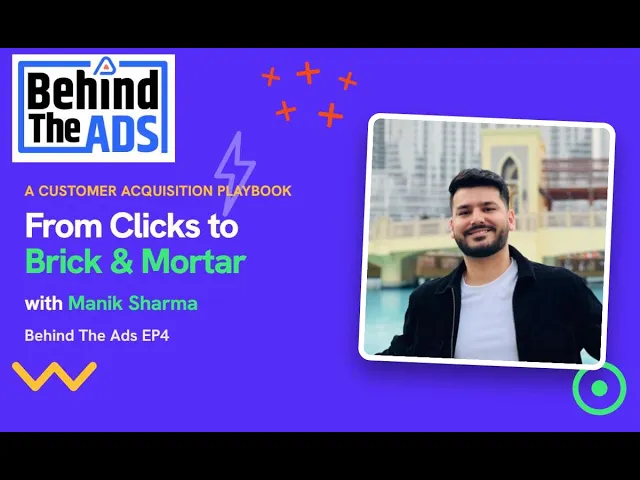
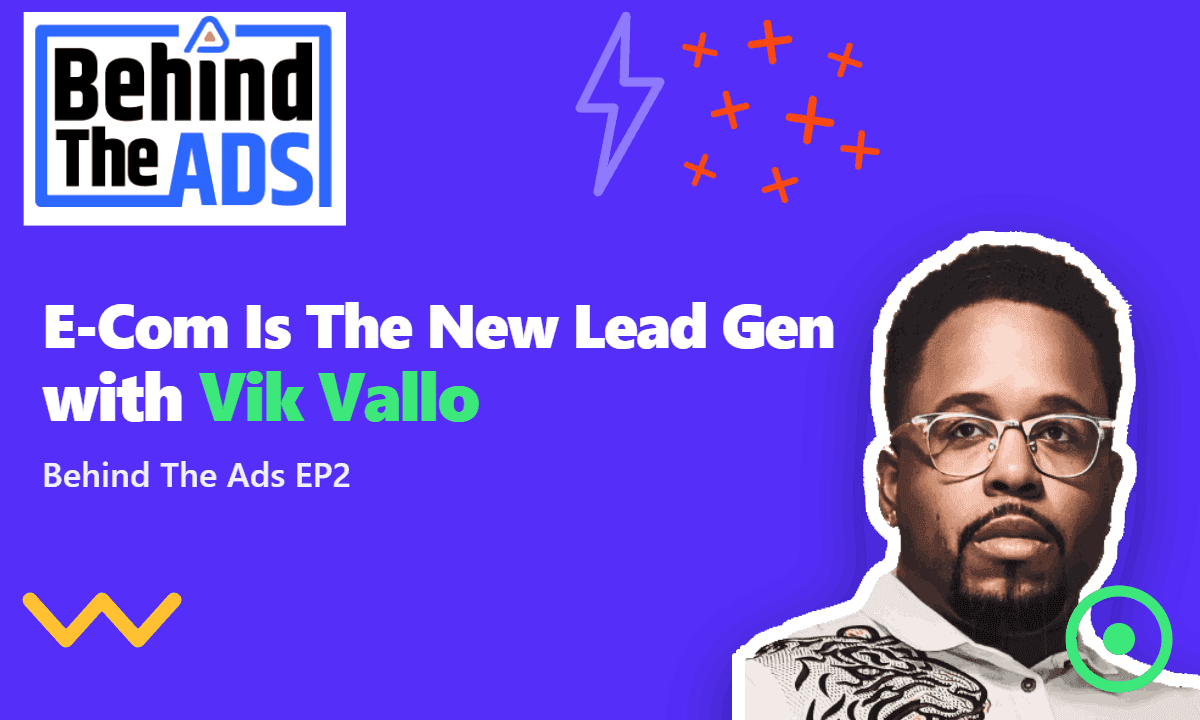
Manik is the founder of the5.co and a speaker at Affiliate World. He joined us for episode four of Behind The Ads, and what came out of it was one of the most honest conversations we have had on the show. Not just tactics but the model behind the tactics, the mistakes that cost him real money, and a way of seeing customer acquisition that most people in this space never get to.
If you run paid traffic and you have hit that ceiling where hustle is not compounding into anything, this is worth reading.
Key Takeaways
The5.co is built on a model where Manik funds the ad spend and gets paid only on qualified results, which forces a discipline that most affiliates never develop. He spends more than half his working day on competitive research before committing a dollar to any campaign. A recent e-commerce campaign that looked like his best month ever turned into one of his worst when the chargebacks came in. And the most underexplored opportunity he sees right now is pointing performance marketing skills at local offline businesses where real competition barely exists.
Watch the full episode here:
The model: he takes the risk so the client does not have to
The way Manik describes the5.co in one sentence is this: they fund the ad spend, so they take the risk.
A brand in insurance, finance, fintech, or e-commerce that does not want variable acquisition costs comes to him. He puts up the budget. He runs the traffic. The brand pays only when a qualified lead or customer is delivered. They get a predictable, fixed cost. He carries the downside.
"In one sentence, it is just that we fund the ad spend, so we take the risk. The client gets a fixed cost of acquisition. We carry the downside."
This is a different kind of pressure than most media buyers feel. When it is your money on the table, not a client retainer, every decision sharpens up. You do not launch on a feeling. You do not scale something you have not validated. You research first because the cost of being wrong comes out of your own pocket.
That model is also what forces him to keep building relationships rather than just buying traffic. He works directly with car dealerships in the US and Canada, some serving a single city and others operating in twenty or thirty metro markets. He has a dedicated salesperson whose job is onboarding those dealerships, which he notes is one of the harder sales in existence, because the best closers in the world work on car lots.
The hunter and the farmer
The conversation took a turn I did not expect when Manik described the mindset shift that changed his business.
He called the affiliate grind hunting. You go out every day, find your target, eat, and then do it again tomorrow. Nothing builds. The brands he was driving traffic to were farming, building assets, compounding year over year, while he was starting from scratch every morning.
The shift he made was from hunter to farmer. Build the soil. Build the irrigation. Build a system that produces a harvest whether or not you show up. Stop thinking about what today is worth and start thinking about what this is worth in ten years.
He has a version of this idea that he calls the highway business, and it is the sharpest way I have heard the compounding mindset explained in a long time.
"A regular affiliate is like running a fast car. You can have a Ferrari, you can go as fast as you can, but at the end of the day, you have to drive the car. But if you build a highway, it doesn't matter who's driving the car. You always get paid, because it's your highway."
The goal is to own infrastructure, not to keep performing. That single idea explains every decision he has made since.
Where he is expanding and what it is teaching him
Lead generation is still around eighty percent of the business. Life insurance, auto insurance, subprime auto loans. That is the core, and it is stable, but Manik is honest that the growth is elsewhere right now, and he is testing in a few areas at once.
iGaming is one he is excited about. The budget is there, and the conversations he is having with people in that space confirm real volume. It is a harder compliance environment than regulated lead gen, and he is clear about that, but the upside is real.
E-commerce is another one he has started testing, entering as an affiliate first to understand the mechanics before touching the fulfilment side. He is not pretending this is comfortable territory after twelve years in lead gen. He is learning it the same way he learned everything else, which means making some expensive mistakes along the way.
And then there is what he calls the most underexplored opportunity in the whole space.
The offline opportunity most performance marketers are walking past
This is the part of the episode that stuck with me longest.
Manik runs tow truck campaigns. Not the trucks, the leads, and the calls. He partners with tow operators and builds the acquisition infrastructure in cities where he can rank number one for anything tow related. When there is an accident, and someone is searching for a tow, the call routes through his AI-powered IVR system to his partner.
"There are a few cities in the US and Canada where we rank number one for anything tow truck. So anytime there's an accident, and people are looking for a tow truck, it goes to our system. It's all AI. And not that many people are doing that."
A single accident call can be worth over a thousand dollars to a tow operator when you factor in what they make from insurance companies. He takes a revenue share or a flat rate per call.
Tree service is the same shape. A tree removal in a backyard runs three to five thousand dollars. Five jobs in a month, in a city where nobody is competing for the traffic, is a meaningful business. Locksmiths. Any local trade where the job value is high and the digital competition is thin.
Some of these campaigns run on Meta, catching people through remarketing days after an accident. Others start on Google, where the intent is live. Newsbreak works well for homeowner-related traffic, and Manik has campaigns there that have been running for over a year without being touched, because Newsbreak optimizes at the ad set level rather than the pixel, meaning the learning holds even when creatives are swapped.
The principle underneath all of it is the highway. Build the infrastructure once in a market where nobody else has, and the calls and leads keep coming without you launching something new every morning.
The expensive lesson
Here is the part most people edit out of a podcast interview.
A few months ago, Manik found what looked like a winner in the e-commerce space, a revenue share offer with strong early numbers. He scaled it hard, which is the move he always says he wishes he had made more in the past. Then the chargebacks came in.
"What looked like my best month became one of my worst. The creatives were setting expectations the product couldn't meet. You can be too creative, and it costs you on the back end."
The lesson he drew from it was about how differently e-commerce works compared to lead gen. In lead gen, your brain is wired for the first click conversion. You deliver the lead and move on. In e-commerce you have to hold the whole picture in your head: the payment terms, how much reserve the network holds, the chargeback rate, the refund rate, and the average order value. All of those variables determine whether what looks like a profitable month actually is one. Scaling before you have mapped all of them is how a good month turns bad.
How he decides what to run before spending a dollar
Ask Manik how he spends a normal day, and the answer surprises people. More than half of it is not buying media. It is research.
His critique of how most people start is direct. They pick an offer at random and start spending. He thinks that is exactly backwards.
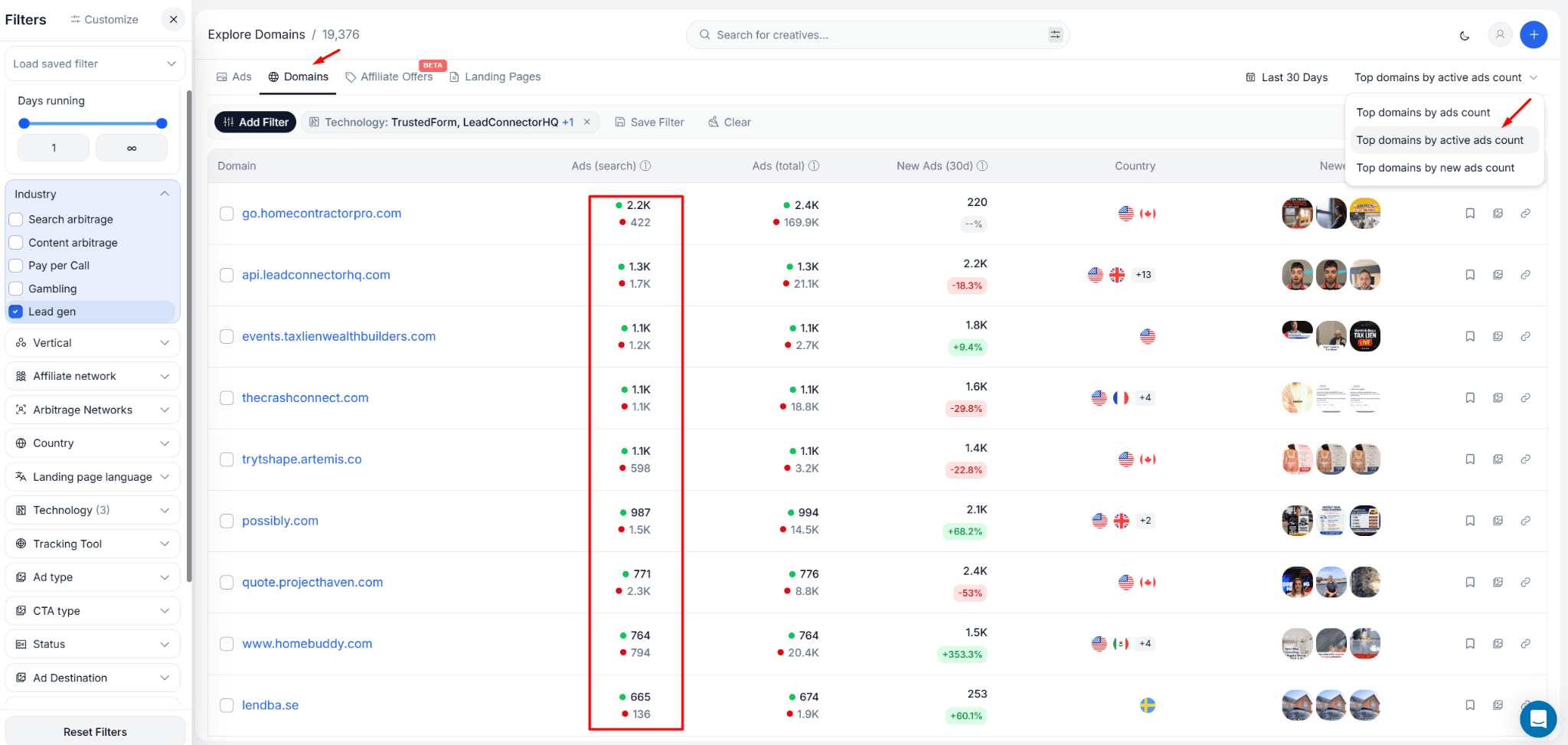
"The mistake most newbies make is they pick a random offer and start spending money on it. That's the wrong approach. Go to the domain section. See how many active ads are there. If they have 40,000 active ads, then obviously they're making money. Find those offers first, then start testing, rather than the other way around."
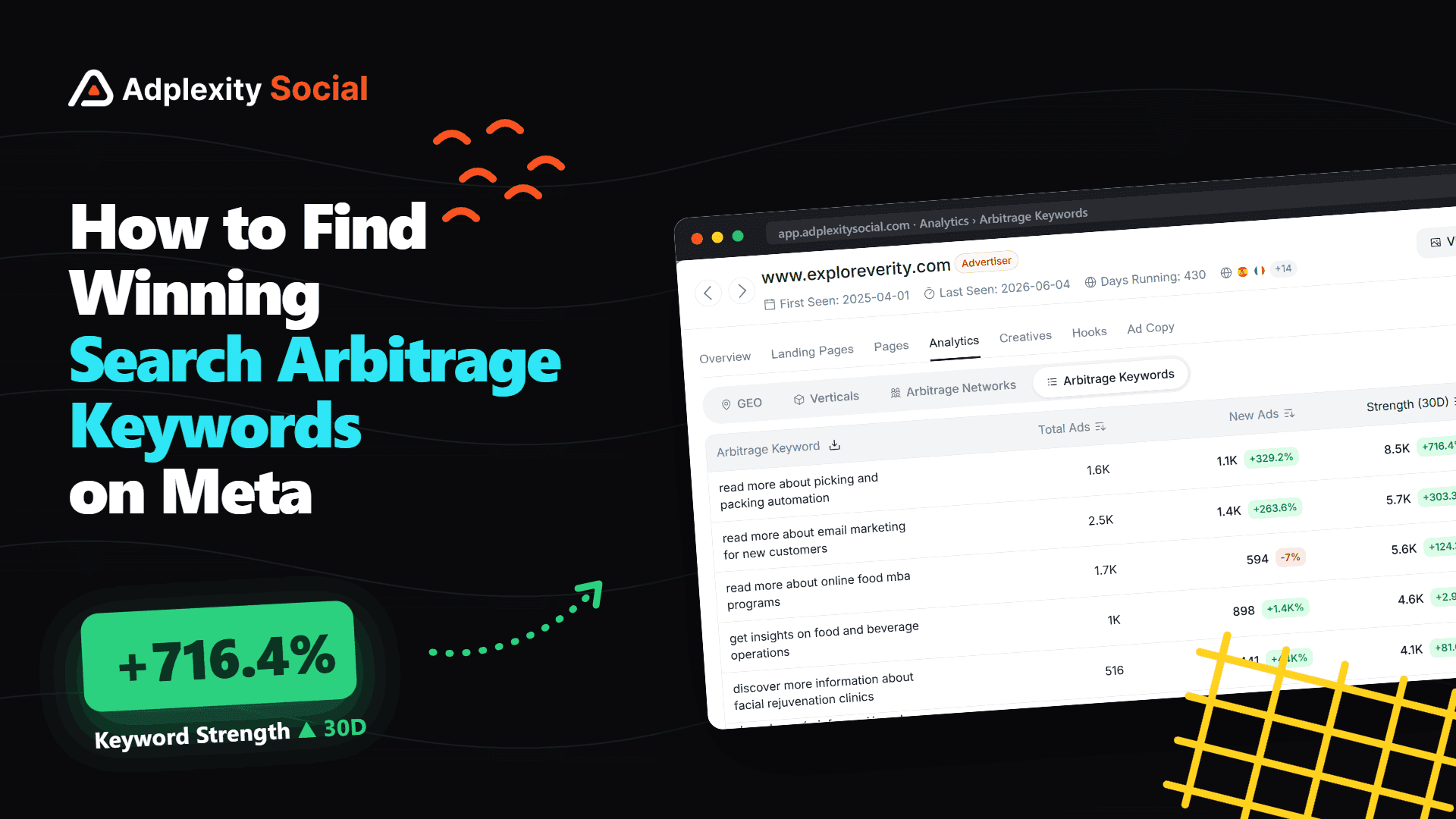
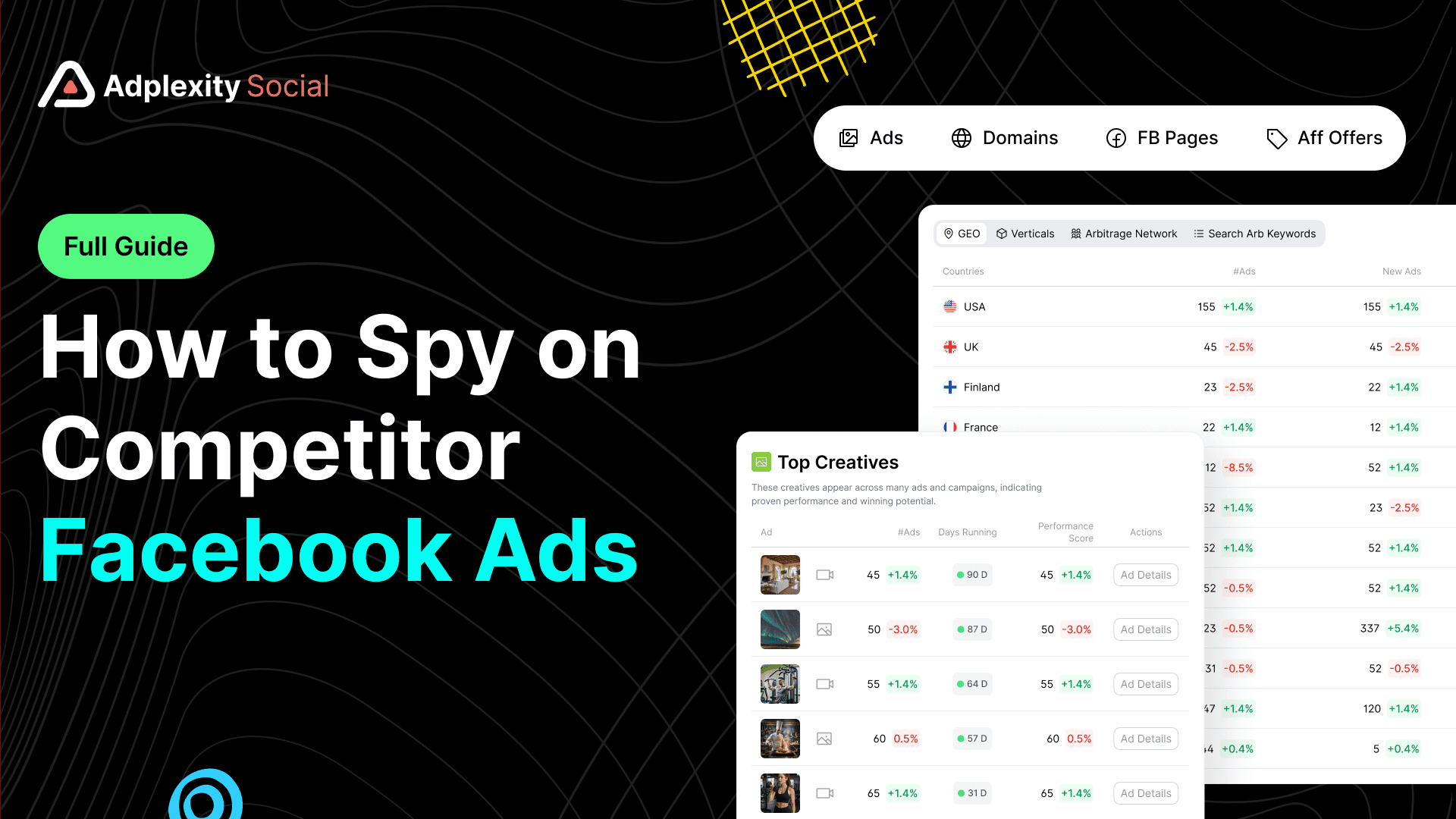
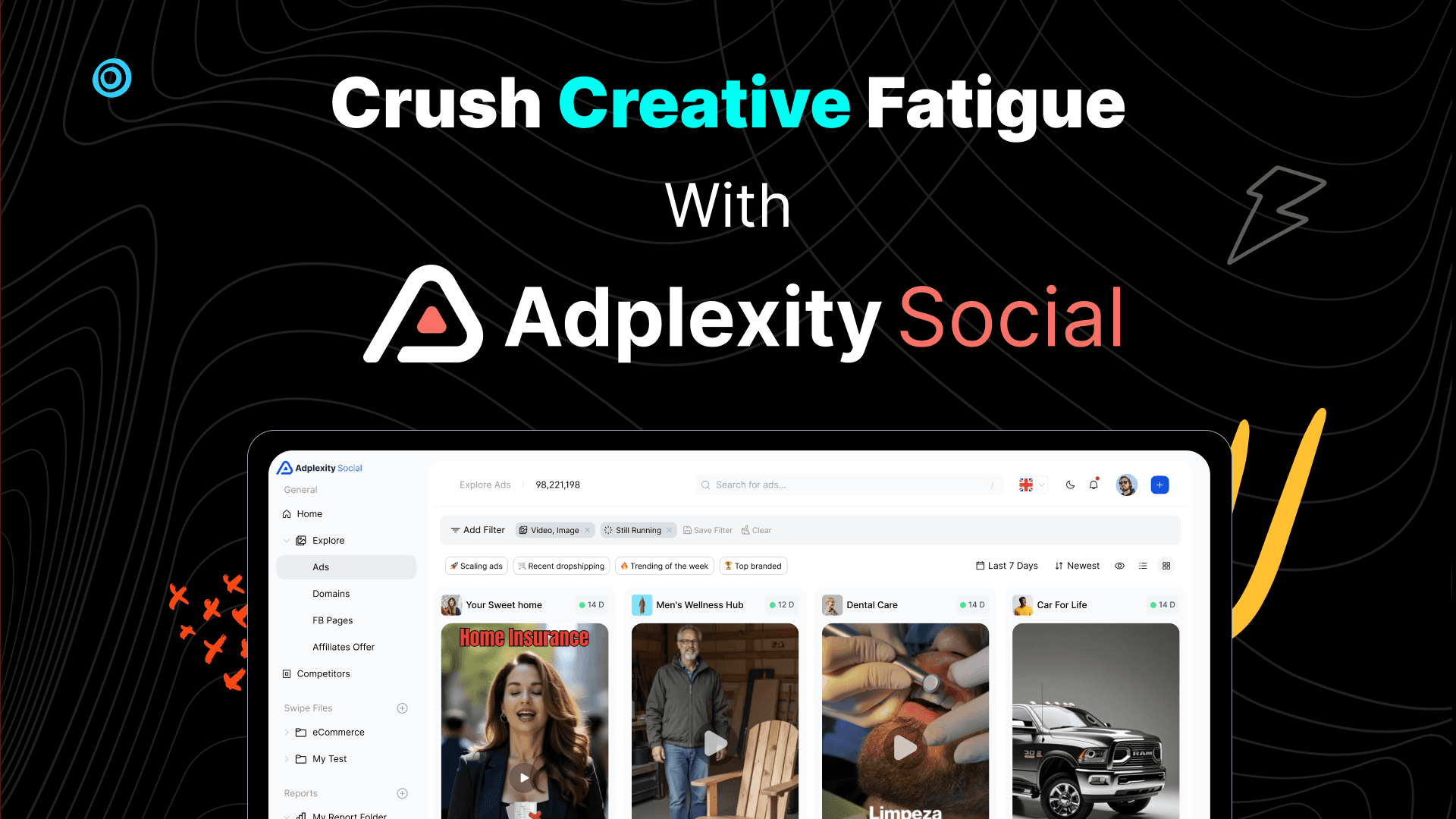
Inside AdPlexity Social, he goes to the domain section and reads the signals that show real money: how many ads an advertiser is running, how many are active, and how many pages those ads are live across. If a brand has tens of thousands of active ads in a vertical, that is a signal worth taking seriously. Someone running that volume has found something that works.
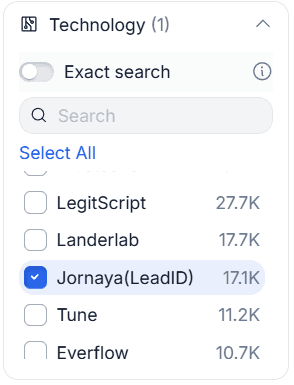
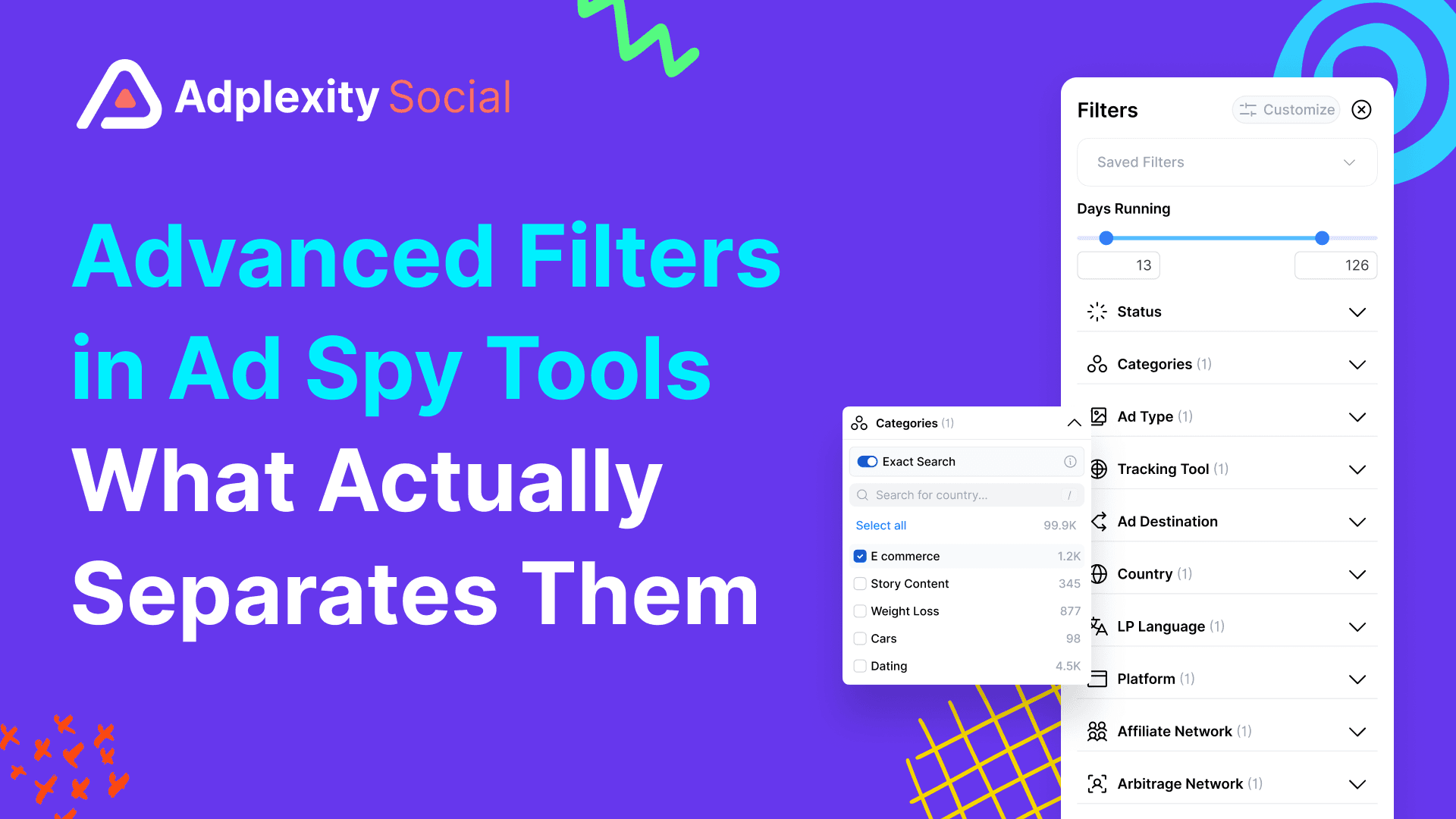
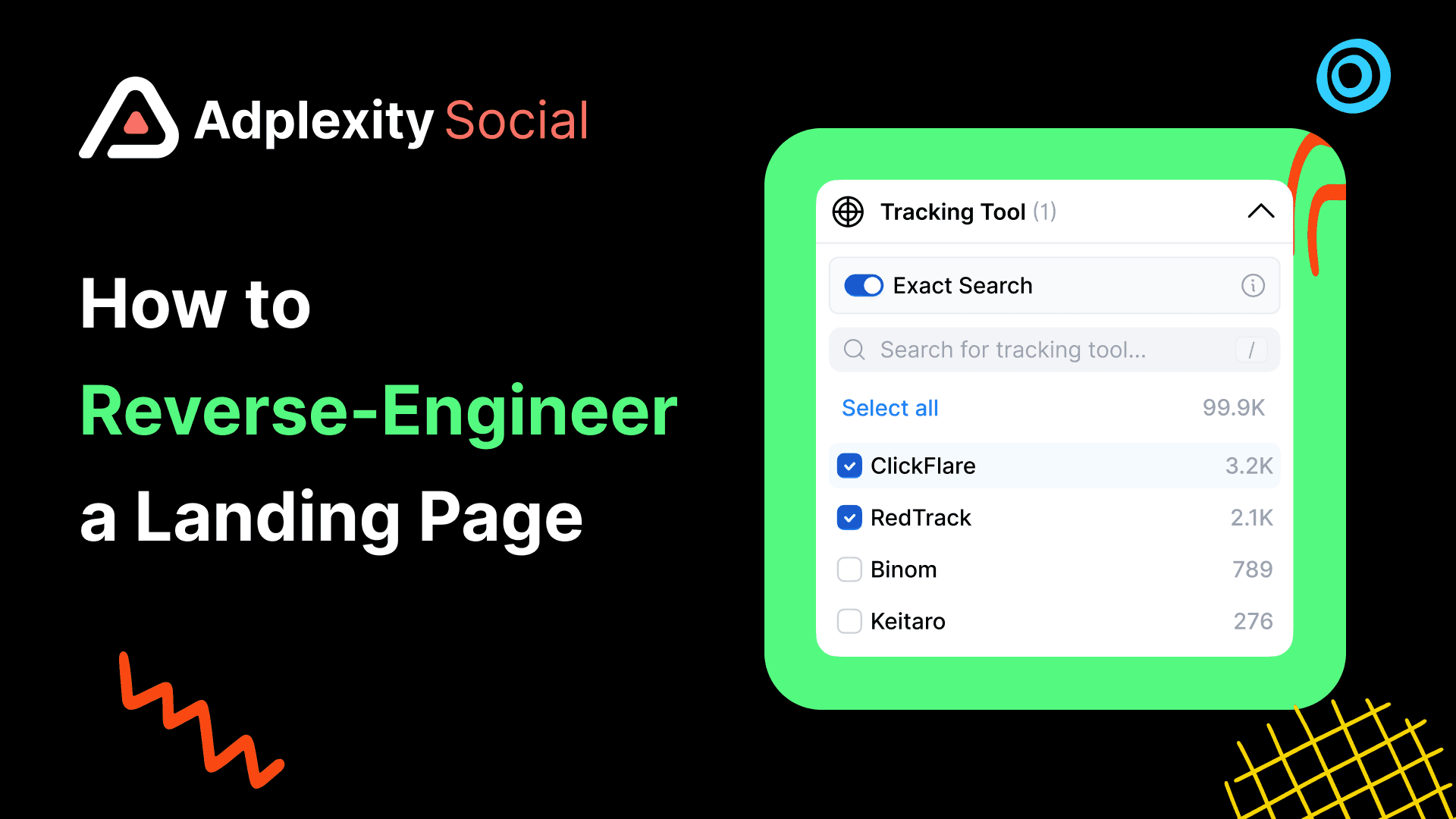
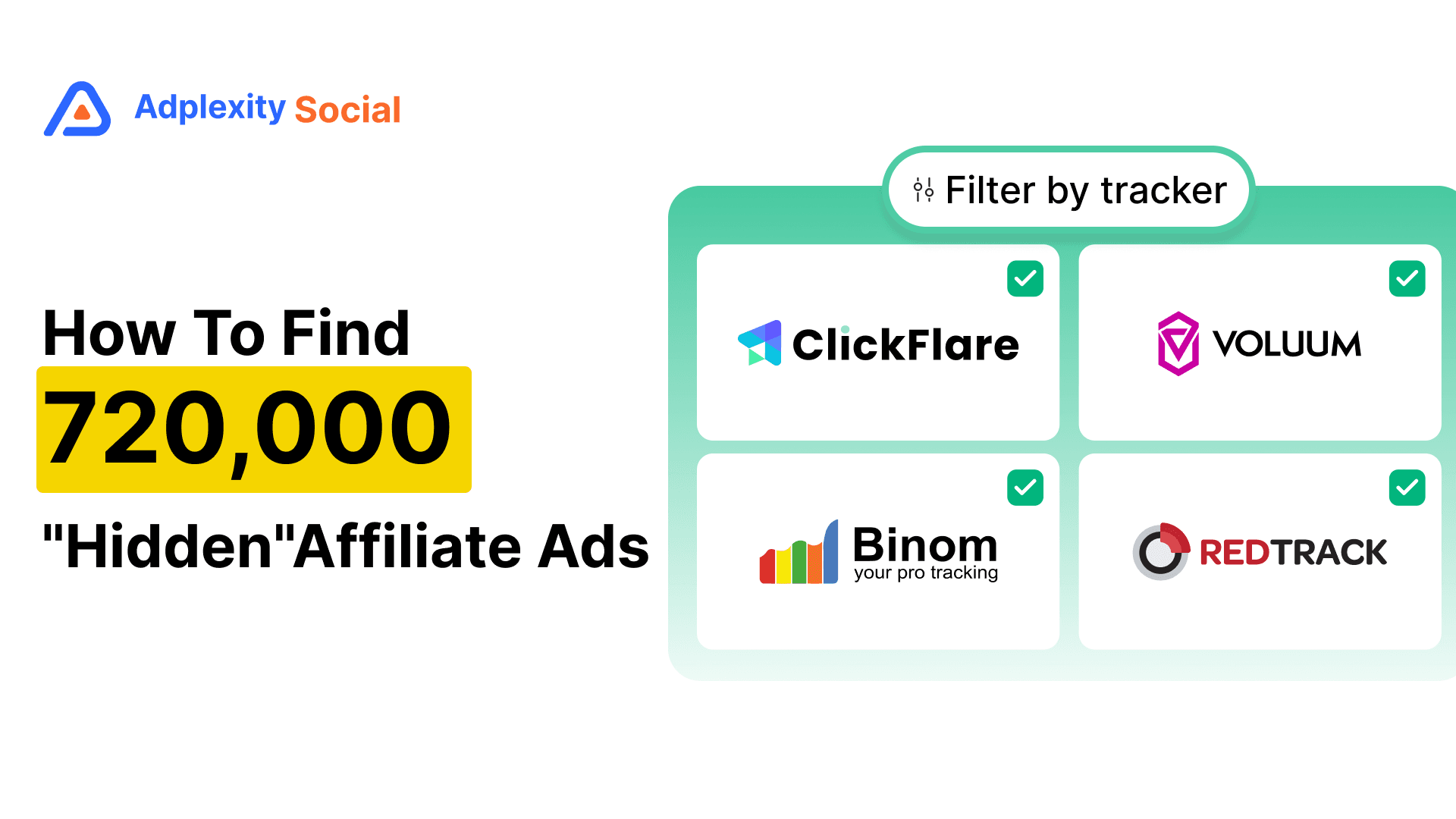
From there, he filters by the technology stack behind the ads. In lead gen, advertisers using compliance tools like LeadconnectorHQ, Jornaya, or TrustedForm are running something with a real back end. That technology costs money, and nobody installs it for a campaign they are not serious about. So filtering for it is a fast way to separate operators with real infrastructure from people testing on a shoestring.
Once he identifies an offer worth pursuing, he goes and finds out who owns it directly. The public numbers never reveal the margin, so the goal is to get in front of the right person and negotiate something exclusive. He tracks the advertisers and offers he is watching inside Boards, following them over time to see what sustains and what fades.
The database he is pulling from is over one hundred million ads, with more than fifteen million new Meta ads indexed every month. At that scale, the signal-to-noise ratio becomes the whole game, and the filters are what make it usable.
He built his AI team in a week
One more thing worth knowing about how he operates.
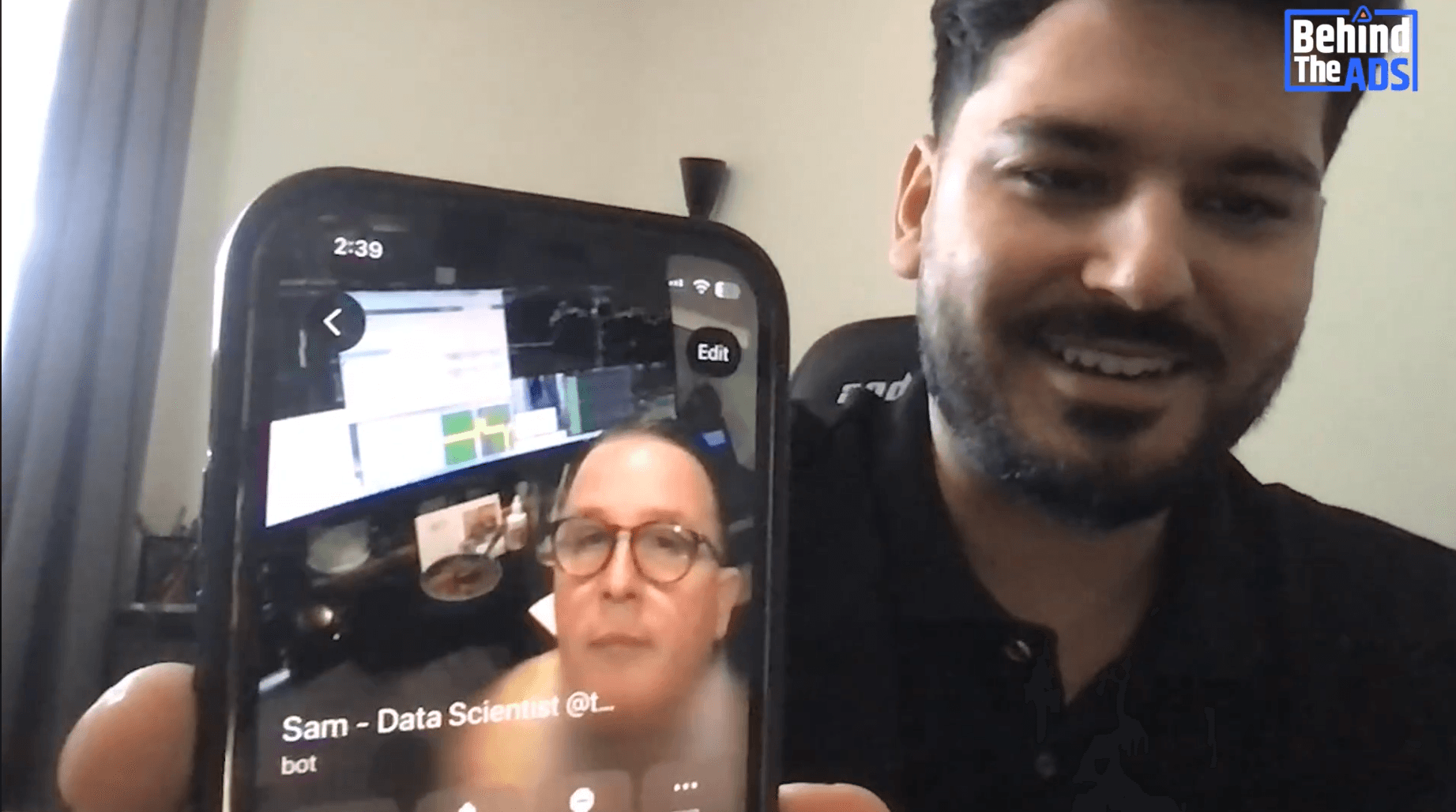
Manik has three AI employees working alongside his real team. Sam is a quantitative data scientist connected via MCP to their tracking system, pulling numbers every day and reporting back on what is working and what is not. Haley sits inside every group chat Manik cannot keep up with, reads all of it, and sends a daily summary. Megan handles first-pass creative, generating compliant video scripts and ad creatives for affiliate managers and clients to review.
And the build time for all three of them combined?
"No software platform at all. I just made them in about a week using Claude, using GitHub, and then connecting them with Telegram."
The thing about this is not the technology. It is the thinking behind it. He identified the work that was eating his time, built a system to handle it, and now that system runs whether or not he is watching. The farmer mindset applied to operations.
Frequently Asked Questions
What is a pay per lead or pay per call model?
It is a performance arrangement where the marketer funds the advertising and only collects when they deliver a result, a qualified lead, or a live phone call. The brand or offer owner gets a predictable, fixed cost of acquisition. The marketer takes on the ad spend risk and wins when their cost to acquire is lower than the payout they receive.
How do performance marketers find winning offers before they spend money?
They start with competitive intelligence rather than guesswork. Looking at the volume and longevity of active ads in a vertical reveals who is actually making money. Filtering by the technology stack behind those ads shows which operators have a real back end worth emulating. From there, the goal is to identify who owns the winning offer and build a direct relationship before starting to spend.
Can you use paid media skills for local or offline businesses?
Yes, and it is one of the least saturated opportunities available to anyone with a media buying background. The same skills that work for digital offers can route customers to tow operators, tree services, locksmiths, and other local trades that have high job values and almost no competition for digital traffic. The infrastructure investment is low, and the margins at that job value can be significant.
Is lead generation still a viable business in 2026?
It is, though operators in established verticals describe growth as slower than it was a few years ago. The ones doing well are either moving into newer verticals like iGaming and e-commerce or targeting underserved local markets where the skills translate directly, and competition is thin.
What do media buyers use to research competitor ads?
Ad intelligence platforms that go beyond the public ad libraries. A tool like AdPlexity Social indexes over one hundred million ads, crawls the landing pages and redirect chains behind them, and lets you filter by tech stack, vertical, and longevity. That combination lets you study the full funnel and qualify an offer before spending, rather than reverse-engineering a campaign after the fact.
Do I need a paid tool to research competitor ads?
Free tools like the Meta Ads Library show you the creative, but almost nothing else. Paid platforms earn their place when you need to see where traffic goes after the click, how long an ad has actually been running, and what technology is running behind the landing page. For anyone spending real budget, that depth usually pays for itself in avoided waste.
How do you avoid chargeback problems when scaling e-commerce campaigns?
Map the back end variables before you scale, not after. Payment terms, the reserve or hold the network keeps, chargeback rate, refund rate, and average order value all determine whether a winning front end is actually profitable. A creative that sets expectations the product cannot meet will produce chargebacks, no matter how well the ads convert. Match the promise to the product and understand the financial mechanics of the offer before pushing volume.
What to do with this
The thread running through all of it is simple. Manik does not chase offers. He builds systems, takes on real risk, researches before he spends, and looks for markets where his skills are rare instead of crowded. Whether the customer is an insurance lead, a tow truck call, or a tree removal job, the discipline is the same.
If you want to start where he starts, with research instead of guesswork, AdPlexity Social is where you can see what is already working across more than one hundred million Meta ads and decide what deserves your budget. Sign up at adplexity.io and put your next dollar behind an offer you have actually vetted.
Twelve years ago, Manik Sharma was doing what most affiliates do. Waking up every morning, finding an offer, running traffic, and starting over the next day. He was good at it. But he watched the brands he was sending traffic to, companies he had personally taught what a postback was, turn into billion dollar businesses. And he had nothing to show for the same years of work.
That gap is what changed how he thinks. And it is what makes his story worth paying attention to.
Manik is the founder of the5.co and a speaker at Affiliate World. He joined us for episode four of Behind The Ads, and what came out of it was one of the most honest conversations we have had on the show. Not just tactics but the model behind the tactics, the mistakes that cost him real money, and a way of seeing customer acquisition that most people in this space never get to.
If you run paid traffic and you have hit that ceiling where hustle is not compounding into anything, this is worth reading.
Key Takeaways
The5.co is built on a model where Manik funds the ad spend and gets paid only on qualified results, which forces a discipline that most affiliates never develop. He spends more than half his working day on competitive research before committing a dollar to any campaign. A recent e-commerce campaign that looked like his best month ever turned into one of his worst when the chargebacks came in. And the most underexplored opportunity he sees right now is pointing performance marketing skills at local offline businesses where real competition barely exists.
Watch the full episode here:
The model: he takes the risk so the client does not have to
The way Manik describes the5.co in one sentence is this: they fund the ad spend, so they take the risk.
A brand in insurance, finance, fintech, or e-commerce that does not want variable acquisition costs comes to him. He puts up the budget. He runs the traffic. The brand pays only when a qualified lead or customer is delivered. They get a predictable, fixed cost. He carries the downside.
"In one sentence, it is just that we fund the ad spend, so we take the risk. The client gets a fixed cost of acquisition. We carry the downside."
This is a different kind of pressure than most media buyers feel. When it is your money on the table, not a client retainer, every decision sharpens up. You do not launch on a feeling. You do not scale something you have not validated. You research first because the cost of being wrong comes out of your own pocket.
That model is also what forces him to keep building relationships rather than just buying traffic. He works directly with car dealerships in the US and Canada, some serving a single city and others operating in twenty or thirty metro markets. He has a dedicated salesperson whose job is onboarding those dealerships, which he notes is one of the harder sales in existence, because the best closers in the world work on car lots.
The hunter and the farmer
The conversation took a turn I did not expect when Manik described the mindset shift that changed his business.
He called the affiliate grind hunting. You go out every day, find your target, eat, and then do it again tomorrow. Nothing builds. The brands he was driving traffic to were farming, building assets, compounding year over year, while he was starting from scratch every morning.
The shift he made was from hunter to farmer. Build the soil. Build the irrigation. Build a system that produces a harvest whether or not you show up. Stop thinking about what today is worth and start thinking about what this is worth in ten years.
He has a version of this idea that he calls the highway business, and it is the sharpest way I have heard the compounding mindset explained in a long time.
"A regular affiliate is like running a fast car. You can have a Ferrari, you can go as fast as you can, but at the end of the day, you have to drive the car. But if you build a highway, it doesn't matter who's driving the car. You always get paid, because it's your highway."
The goal is to own infrastructure, not to keep performing. That single idea explains every decision he has made since.
Where he is expanding and what it is teaching him
Lead generation is still around eighty percent of the business. Life insurance, auto insurance, subprime auto loans. That is the core, and it is stable, but Manik is honest that the growth is elsewhere right now, and he is testing in a few areas at once.
iGaming is one he is excited about. The budget is there, and the conversations he is having with people in that space confirm real volume. It is a harder compliance environment than regulated lead gen, and he is clear about that, but the upside is real.
E-commerce is another one he has started testing, entering as an affiliate first to understand the mechanics before touching the fulfilment side. He is not pretending this is comfortable territory after twelve years in lead gen. He is learning it the same way he learned everything else, which means making some expensive mistakes along the way.
And then there is what he calls the most underexplored opportunity in the whole space.
The offline opportunity most performance marketers are walking past
This is the part of the episode that stuck with me longest.
Manik runs tow truck campaigns. Not the trucks, the leads, and the calls. He partners with tow operators and builds the acquisition infrastructure in cities where he can rank number one for anything tow related. When there is an accident, and someone is searching for a tow, the call routes through his AI-powered IVR system to his partner.
"There are a few cities in the US and Canada where we rank number one for anything tow truck. So anytime there's an accident, and people are looking for a tow truck, it goes to our system. It's all AI. And not that many people are doing that."
A single accident call can be worth over a thousand dollars to a tow operator when you factor in what they make from insurance companies. He takes a revenue share or a flat rate per call.
Tree service is the same shape. A tree removal in a backyard runs three to five thousand dollars. Five jobs in a month, in a city where nobody is competing for the traffic, is a meaningful business. Locksmiths. Any local trade where the job value is high and the digital competition is thin.
Some of these campaigns run on Meta, catching people through remarketing days after an accident. Others start on Google, where the intent is live. Newsbreak works well for homeowner-related traffic, and Manik has campaigns there that have been running for over a year without being touched, because Newsbreak optimizes at the ad set level rather than the pixel, meaning the learning holds even when creatives are swapped.
The principle underneath all of it is the highway. Build the infrastructure once in a market where nobody else has, and the calls and leads keep coming without you launching something new every morning.
The expensive lesson
Here is the part most people edit out of a podcast interview.
A few months ago, Manik found what looked like a winner in the e-commerce space, a revenue share offer with strong early numbers. He scaled it hard, which is the move he always says he wishes he had made more in the past. Then the chargebacks came in.
"What looked like my best month became one of my worst. The creatives were setting expectations the product couldn't meet. You can be too creative, and it costs you on the back end."
The lesson he drew from it was about how differently e-commerce works compared to lead gen. In lead gen, your brain is wired for the first click conversion. You deliver the lead and move on. In e-commerce you have to hold the whole picture in your head: the payment terms, how much reserve the network holds, the chargeback rate, the refund rate, and the average order value. All of those variables determine whether what looks like a profitable month actually is one. Scaling before you have mapped all of them is how a good month turns bad.
How he decides what to run before spending a dollar
Ask Manik how he spends a normal day, and the answer surprises people. More than half of it is not buying media. It is research.
His critique of how most people start is direct. They pick an offer at random and start spending. He thinks that is exactly backwards.
"The mistake most newbies make is they pick a random offer and start spending money on it. That's the wrong approach. Go to the domain section. See how many active ads are there. If they have 40,000 active ads, then obviously they're making money. Find those offers first, then start testing, rather than the other way around."
Inside AdPlexity Social, he goes to the domain section and reads the signals that show real money: how many ads an advertiser is running, how many are active, and how many pages those ads are live across. If a brand has tens of thousands of active ads in a vertical, that is a signal worth taking seriously. Someone running that volume has found something that works.
From there, he filters by the technology stack behind the ads. In lead gen, advertisers using compliance tools like LeadconnectorHQ, Jornaya, or TrustedForm are running something with a real back end. That technology costs money, and nobody installs it for a campaign they are not serious about. So filtering for it is a fast way to separate operators with real infrastructure from people testing on a shoestring.
Once he identifies an offer worth pursuing, he goes and finds out who owns it directly. The public numbers never reveal the margin, so the goal is to get in front of the right person and negotiate something exclusive. He tracks the advertisers and offers he is watching inside Boards, following them over time to see what sustains and what fades.
The database he is pulling from is over one hundred million ads, with more than fifteen million new Meta ads indexed every month. At that scale, the signal-to-noise ratio becomes the whole game, and the filters are what make it usable.
He built his AI team in a week
One more thing worth knowing about how he operates.
Manik has three AI employees working alongside his real team. Sam is a quantitative data scientist connected via MCP to their tracking system, pulling numbers every day and reporting back on what is working and what is not. Haley sits inside every group chat Manik cannot keep up with, reads all of it, and sends a daily summary. Megan handles first-pass creative, generating compliant video scripts and ad creatives for affiliate managers and clients to review.
And the build time for all three of them combined?
"No software platform at all. I just made them in about a week using Claude, using GitHub, and then connecting them with Telegram."
The thing about this is not the technology. It is the thinking behind it. He identified the work that was eating his time, built a system to handle it, and now that system runs whether or not he is watching. The farmer mindset applied to operations.
Frequently Asked Questions
What is a pay per lead or pay per call model?
It is a performance arrangement where the marketer funds the advertising and only collects when they deliver a result, a qualified lead, or a live phone call. The brand or offer owner gets a predictable, fixed cost of acquisition. The marketer takes on the ad spend risk and wins when their cost to acquire is lower than the payout they receive.
How do performance marketers find winning offers before they spend money?
They start with competitive intelligence rather than guesswork. Looking at the volume and longevity of active ads in a vertical reveals who is actually making money. Filtering by the technology stack behind those ads shows which operators have a real back end worth emulating. From there, the goal is to identify who owns the winning offer and build a direct relationship before starting to spend.
Can you use paid media skills for local or offline businesses?
Yes, and it is one of the least saturated opportunities available to anyone with a media buying background. The same skills that work for digital offers can route customers to tow operators, tree services, locksmiths, and other local trades that have high job values and almost no competition for digital traffic. The infrastructure investment is low, and the margins at that job value can be significant.
Is lead generation still a viable business in 2026?
It is, though operators in established verticals describe growth as slower than it was a few years ago. The ones doing well are either moving into newer verticals like iGaming and e-commerce or targeting underserved local markets where the skills translate directly, and competition is thin.
What do media buyers use to research competitor ads?
Ad intelligence platforms that go beyond the public ad libraries. A tool like AdPlexity Social indexes over one hundred million ads, crawls the landing pages and redirect chains behind them, and lets you filter by tech stack, vertical, and longevity. That combination lets you study the full funnel and qualify an offer before spending, rather than reverse-engineering a campaign after the fact.
Do I need a paid tool to research competitor ads?
Free tools like the Meta Ads Library show you the creative, but almost nothing else. Paid platforms earn their place when you need to see where traffic goes after the click, how long an ad has actually been running, and what technology is running behind the landing page. For anyone spending real budget, that depth usually pays for itself in avoided waste.
How do you avoid chargeback problems when scaling e-commerce campaigns?
Map the back end variables before you scale, not after. Payment terms, the reserve or hold the network keeps, chargeback rate, refund rate, and average order value all determine whether a winning front end is actually profitable. A creative that sets expectations the product cannot meet will produce chargebacks, no matter how well the ads convert. Match the promise to the product and understand the financial mechanics of the offer before pushing volume.
What to do with this
The thread running through all of it is simple. Manik does not chase offers. He builds systems, takes on real risk, researches before he spends, and looks for markets where his skills are rare instead of crowded. Whether the customer is an insurance lead, a tow truck call, or a tree removal job, the discipline is the same.
If you want to start where he starts, with research instead of guesswork, AdPlexity Social is where you can see what is already working across more than one hundred million Meta ads and decide what deserves your budget. Sign up at adplexity.io and put your next dollar behind an offer you have actually vetted.
Table of Contents
Quickly navigate through the key sections of this article.