From Hidden Affiliate to AI Ad System: 0x ROAS's Playbook for AI UGC, Ecom, and VSLs
Share:
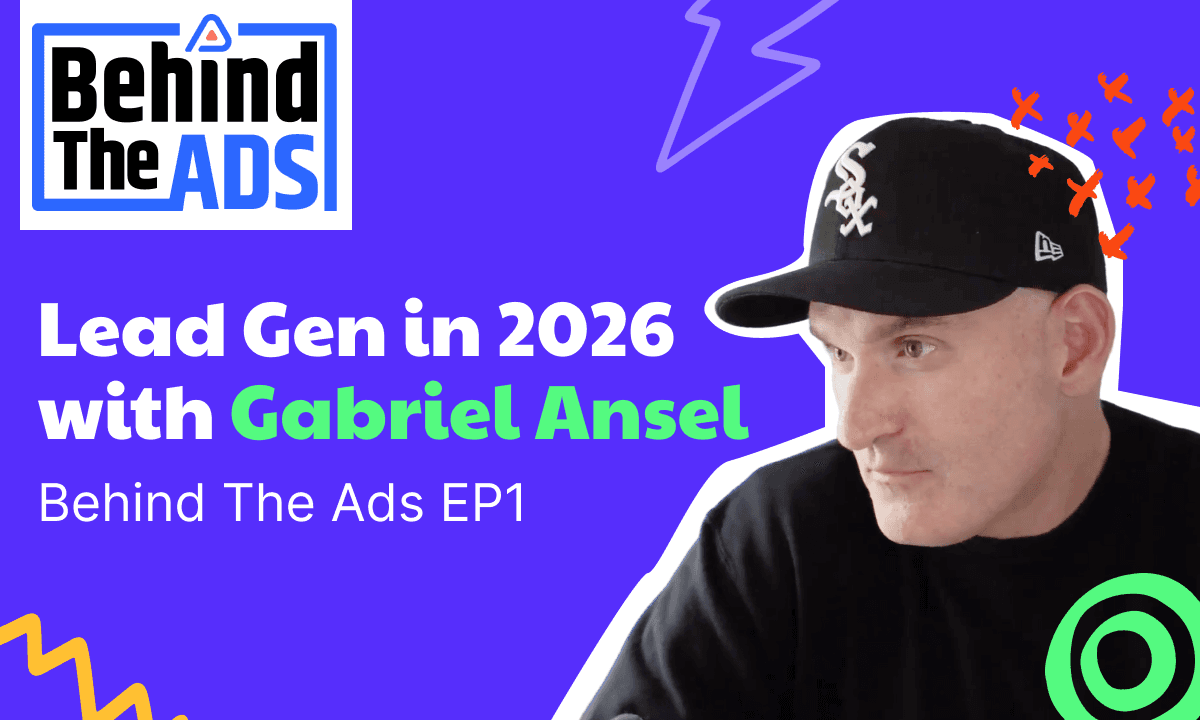
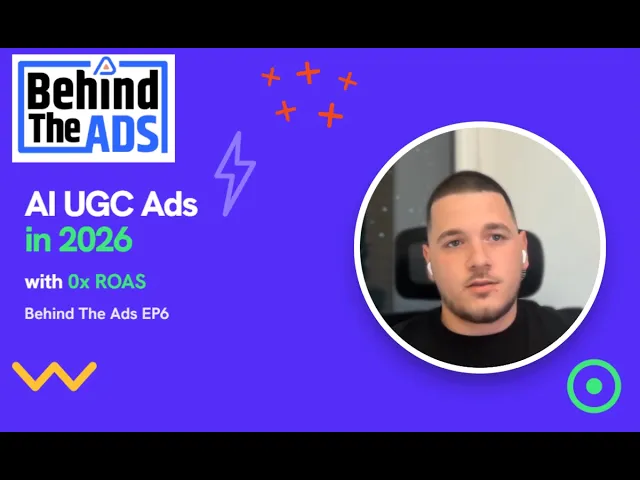
An affiliate who spent two years building a paid community and a following of thousands from a channel where nobody had ever seen his face just showed his face for the first time, on this podcast.
0x ROAS has been running as an affiliate for years, the kind of operator who, as he puts it, likes to stay hidden. He built AI Marketing Mafia and a course now used by more than two thousand paying members, almost entirely off the back of a faceless AI video channel on Twitter. His techniques have touched more than two hundred million dollars in ad spend that he knows of, and he still treats ad spend the way a venture capitalist treats a portfolio, expecting outsized returns on the winners to cover everything else.
Key takeaways: 0x ROAS argues that video quality is not what makes an ad convert, the script and the story are, and a strong reference image matters more than which model generates the video. He has stopped booking real UGC creators entirely for his own campaigns, testing roughly two hundred AI variations for the price of one paid shoot, though he still tells brand owners to run a hybrid of real and AI creative for long term brand building. He walks through how a Meta algorithm change broke his consolidated campaign structure, why timing beat creative quality on a recent seasonal offer, and how he uses AdPlexity Social's duplicate tracking and AdPlexity Native to find funnels before he spends a dollar.
Watch Video Here
From a Hidden Affiliate Account to a Twitter Blowup
0x ROAS was not chasing an audience. He was running affiliate offers and needed ad creative, so he went looking for influencers and creators on Fiverr the way most affiliates did through 2025.
"People were quoting me two, three hundred dollars for random videos and they were acting like some big influencer," he said. That pricing, combined with how hard it had become to find a good creator at a fair price as everyone piled into UGC at scale, pushed him toward AI video out of frustration rather than curiosity. Early AI workflows took upward of fifteen steps to produce one usable clip, and the output still looked like slop. Sora 2 changed that.
"By using multiple different tools to create just one video with Sora, it was totally different, and from there my Twitter blew up. I met a lot of friends, I met a lot of affiliate owners, I run a lot of things, and my techniques have spent like more than two hundred million dollars on ad spend that I know of, and it's really great."
The One Thing That Actually Separates Good AI UGC From Bad
Ask 0x ROAS what makes an AI UGC ad look fake and he does not point to the video model. He points to the still image feeding it.
"The number one step that people get wrong is making their image look like AI or plastic," he said. "It's really unforgivable to do a really bad image, especially in July twenty twenty six, with all the tools that we have available." His rule is simple: the reference image should look like a frame pulled from an actual TikTok video, not a polished studio shot. A Hollywood-style start frame with background blur and cinematic color trips up the video model, because the model was trained to match native, unpolished footage. Voice realism and natural actor movement matter next, and the script matters most of all.
"I've done good money with really bad ads that look fake from the moon. You can see it, it's fake, but the script and the story was so good that it can sell everything."
On tooling, 0x ROAS is specific about what he actually runs. His main tool is Google Omni, accessed through a Google AI Ultra plan, which he uses for talking head shots. For complex movement, such as a product opening or a drink being poured, he switches to Seedance.
"Our main tool is Omni, because with the Google Ultra plan it's like twenty five K credits for two hundred dollars, and that comes around to one dollar per one minute of video, which is really crazy price. I don't know why Google is doing this, but thank you Google."
Why He Stopped Booking Real UGC Creators
For his own affiliate campaigns, 0x ROAS does not hire real UGC creators anymore, and the reason is arithmetic as much as attitude. A single one-minute video from a creator ran him two to three hundred dollars. That same budget now produces roughly two hundred AI variations.
"What makes people buy is not like how the video looks, because I have seen low quality videos do a lot of money, and I have seen the best of the best UGC creators' real life video do no money," he said. "It's all about the story and the content here, script." The chance any single UGC video works is low, he argued, so the chance one out of two hundred AI attempts works is simply higher. He still tells brand owners to run both formats. Real UGC, in his view, still earns its place for building a long-term brand, even as brands doing eighty percent AI ads scale into eight and nine figures.
Where AI Video Actually Earns Its Place in an Ecom Funnel
0x ROAS runs ecom offers as a media buyer rather than owning stores himself, and he leans on AI video across the funnel rather than picking one spot for it. Mini VSLs, two to five minutes long and built entirely with AI talking heads and B-roll, work well at the top of the funnel on new, unsophisticated offers that need audience education first. A shorter one minute twenty second cut built around a product hook has also performed well for him.
The more surprising result came from the bottom of the funnel. "I was getting really good return on ad spend on bottom of the funnel ads without even having any top of funnel ads on my campaign," he said, describing a Facebook bug earlier in the year that briefly let bottom-funnel-only ads outperform. On one offer that made news, his ads sat at the top of the ad library and carried the best earnings per click on the entire network. His advice is to test every layer of the funnel rather than assume one format owns it, and he has spent this year running a last-day-sale format, a static image paired with a short video, that keeps pulling in warm traffic.
A Seasonal Offer That Failed for a Month, Then Sold Out in Two Days
Not every result in 0x ROAS's world comes down to creative. His clearest example is a seasonal AC offer he ran in Europe during a heat wave.
"I started running this offer since the end of May, and it was not working, all of June almost it was not working," he said. He paused it, then saw competitors doing a thousand, five hundred sales a day and immediately restarted it. Two days later the offer sold out entirely. "It's really timing, timing. Timing is everything. It doesn't matter how great your ads are. Sometimes it's just timing, you know. So I say to people, don't get depressed trying the first weekend."
How a Meta Algorithm Update Broke His Media Buying Strategy
For most of this year, 0x ROAS ran broad and let Meta's consolidated campaign structure do the work. Two months ago, an update changed that.
"It totally broke the consolidated campaign, which made us go into more manual media buying strategies like bid caps, cost caps," he said. His current setup blends CBO with bid caps for testing and ABO with cost caps for scaling, layering bottom and top of funnel creative into one asset before scaling the specific winners. "It really fell apart, it didn't work for us, so we needed to change the strategies." His main vertical shifted too. He stopped running telehealth offers earlier in the year and now focuses on nutra and seasonal products instead.
VSLs, Celebrities, and What Still Converts
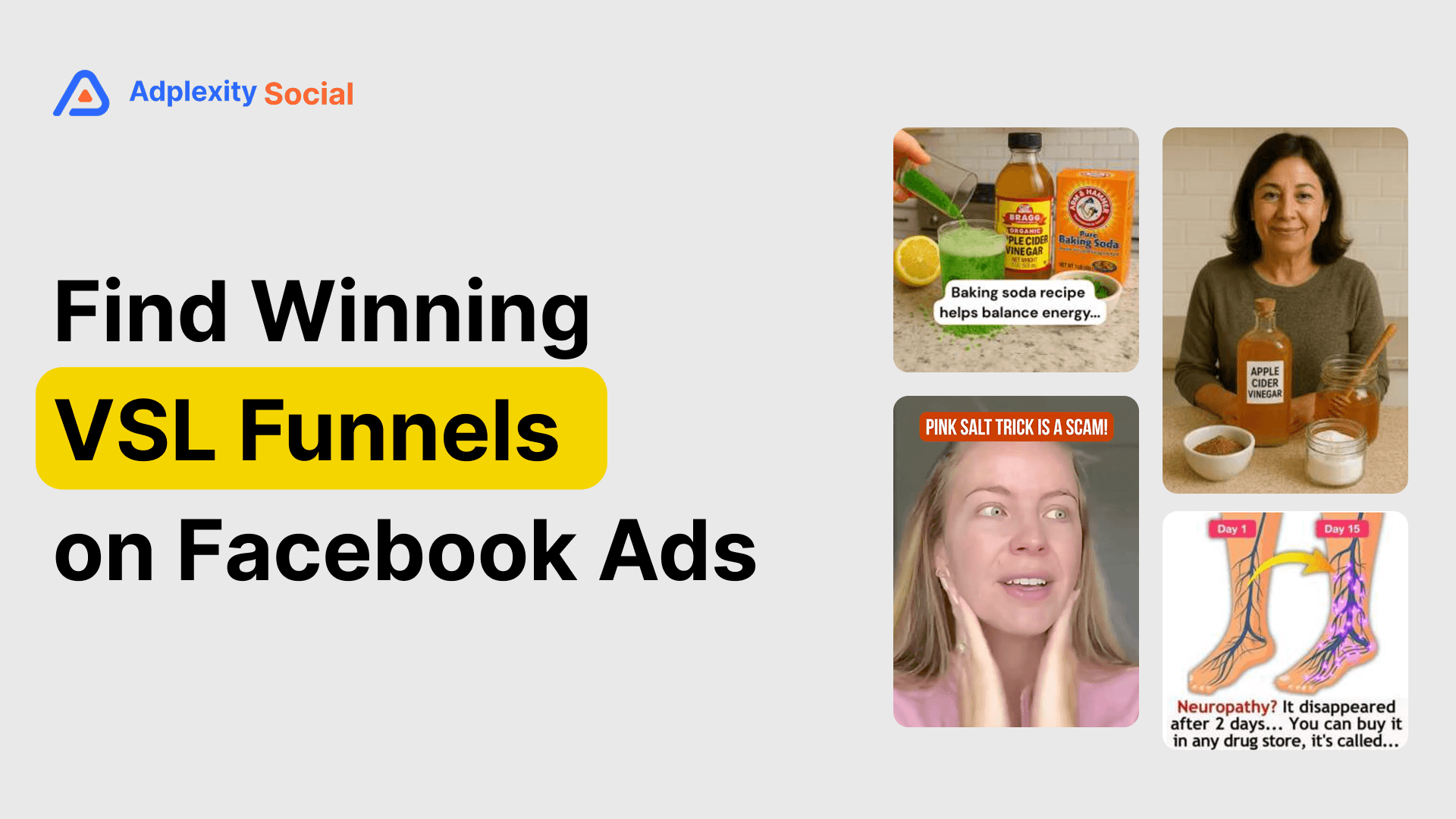
Neutra VSLs are less profitable for 0x ROAS right now than they were, with advertorials taking share from long-form video. Where VSLs still run, celebrity presence remains a real dividing line for the most aggressive offers.
"The non-celebrity VSLs really perform not that good, they might sell to some people, but with a very aggressive VSL, the trust is there, but they have many issues with chargebacks," he said. "The very aggressive offers, they must go with celebrity." Less aggressive offers can still work without one. Rather than lean on tactics aimed at the platform itself, his current focus has shifted toward the creative. "Right now we are focusing more on making way better ads than trying to manipulate Facebook," he said. For more on how VSL funnels are performing on Meta right now, see our dedicated breakdown.
Inside AI Marketing Mafia
0x ROAS built AI Marketing Mafia because sharing his workflow with more people meant more feedback, and more feedback meant a better system for his own campaigns. He deliberately priced it rather than giving it away.
"When I pay like five hundred dollars or one K for a course, I paid from my own pocket and I have more incentive to watch it," he said, contrasting that with cracked courses he tried to sit through himself and never finished. Roughly seventy percent of his members already run their own business before joining, people he describes as always investing in new knowledge rather than waiting to be convinced. The community also connected him to one of his own mentors, an established United States affiliate who saved him, in his words, years of trial and error. Refunds have stayed rare. "From two thousand members, I've only gotten about ten refund requests, and they were obsolete reasons," he said.
How He Actually Uses AdPlexity Social and AdPlexity Native
0x ROAS uses AdPlexity Social less to copy specific ads and more to read signal. The feature he comes back to most is duplicate tracking.
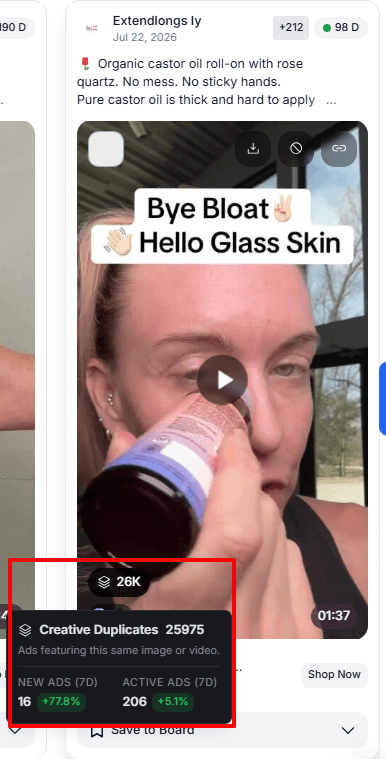
"One feature that I like from AdPlexity is that you guys share how many times a creative has been used, and as my fellow affiliates we know what that means, that creative is making numbers," he said. He also tracks a scaling affiliate's ID directly to see every creative that person is currently running, not to copy it outright but to take inspiration. That same instinct, reading duplicate volume as a signal rather than noise, is why we built out creative fatigue tracking inside AdPlexity Social in the first place. AdPlexity Social's upcoming Creative Score builds on the same idea, weighing new ad launches against active running ads to separate offers that are merely being tested from offers that are actually being spent behind.
He runs AdPlexity Native alongside AdPlexity Social for a specific reason: Meta has real, recurring reliability issues, by his count a few times a month, and funnels built for native traffic tend to be stronger than funnels already running on Meta. "I like to copy especially funnels from native and bring it to Meta," he said. "I like to take inspo, make it my own funnel, and run the creatives to that funnel in Meta, and it's working really good."
Sign up at adplexity.io to see the same duplicate tracking and cross-platform funnel signals 0x ROAS uses before he commits spend.
His Advice for Anyone Still Skeptical About AI Ads
Asked what he would tell a skeptic, 0x ROAS pointed to his own channel rather than a pitch for his course.
"AI ads are going to be there whether you like it or you don't like it," he said. "I only did a faceless channel on Twitter, and I have more than two thousand members that have bought my guide, only from seeing my videos, which are 100% AI." This episode marks the first time he has shown his face publicly. "If you are skeptical about AI, I mean you're definitely going to lose. There's money for everyone, you know. And if you don't want it, it's more for me, so thank you."
Frequently Asked Questions
What makes AI UGC ads look fake?
The reference image, not the video model, is usually the problem. A polished, studio-quality start frame confuses the model because most AI video tools are trained on native, handheld footage. A reference image that looks like a real TikTok frame produces a far more believable result.
Do AI UGC ads perform as well as real UGC ads?
They can, and in some cases outperform real UGC, because the script and story drive conversion more than production quality does. Brands running eighty percent AI ads have scaled into eight and nine figures, though many advertisers still run a hybrid of real and AI creative to build long-term brand trust alongside performance.
How much does it cost to make an AI UGC ad?
Costs vary by tool and plan, but the appeal is volume. A budget that once paid for one real creator video, commonly two to three hundred dollars, can now fund roughly two hundred AI-generated variations, which raises the odds that at least one performs.
Where does AI video work best in a funnel, top or bottom?
Both, depending on the offer. Mini VSLs between two and five minutes tend to work best at the top of the funnel on new, unsophisticated offers that need audience education. Shorter, product-hook-led clips and static-plus-video formats have also performed well further down the funnel for retargeting warm traffic.
What is a mini VSL?
A mini VSL is a shortened video sales letter, typically two to five minutes rather than the fifteen to thirty minute format common in direct response marketing. It is built to educate a cold audience on a new offer quickly enough to hold attention on paid social.
Do VSLs need a celebrity to convert?
Not always, but for the most aggressive, high-trust offers, celebrity presence tends to matter more. Non-celebrity VSLs can still convert on lower-pressure offers, while highly aggressive claims generally need the added trust a recognizable face provides to offset chargeback risk.
Do I need a paid ad spy tool to find winning AI UGC and VSL creative?
Meta's own Ads Library is free and usable with more manual effort. A dedicated ad intelligence tool speeds up the process substantially, particularly for tracking how many times a specific creative has been duplicated across accounts, which signals whether an offer is actually being spent behind rather than just tested.
Discover Winning Meta Ads
Similar Blogs