How the affiliate model is being rewired, and what to do about it before the broker era ends completely
The broker era in affiliate marketing is ending. Not slowly, not maybe, not in some theoretical future state. It is happening now, in the consolidation of networks, the rising floor on Meta CPMs, and the simple fact that advertisers do not need middlemen the way they used to.
Vik Vallo has been watching this long enough to have a framework for it. Twenty years in the affiliate and performance marketing space. Affiliate World speaker. Founder of The LTV Game community on Skool. He sat down with us on Episode 2 of Behind the Ads and gave us the most direct take on where this industry is heading that we have heard in a long time.
His central claim: "Affiliate is just another word for licensing a product."
His warning: "You will be out of business if you think you can be promoting something you don't own."
This post breaks down Vik's framework. The worlds of e-com and lead gen have merged. The affiliate model is becoming licensing. Influencers are absorbing the high-impact role traditional affiliates used to play. And the metrics most media buyers still live by are pointing them in the wrong direction.
Watch the full Episode here
Key Takeaways
E-com and lead gen are now the same business in practice, with identical customer acquisition mechanics on both sides. Affiliate marketing is shifting from commission-based middleman work to product licensing, which means operators who do not own what they promote are working from a shrinking position. Influencers have a structural cost advantage that pure affiliates cannot replicate, because owned audiences collapse acquisition costs to near zero. And CPM and LTV are more honest performance signals than front-end CPA, because that is the business model Google and Meta themselves are built on.
The convergence: when e-com and lead gen became the same thing
Five years ago, the line between e-commerce and lead generation was real. E-com was physical products, Shopify stores, direct sales. Lead gen was forms, call centers, insurance, debt relief, pay per call. Different operators. Different networks. Different skill sets.
That line has dissolved.
Vik calls it:
"E-com is the new lead gen, and lead gen is the new e-com."
Every digital storefront now runs a quiz or email capture. Every lead gen funnel now has a backend product, a subscription, a direct offer. The mechanics are identical. The tools are the same. The traffic sources are the same.
Here is what that means in practice. A lead gen affiliate who knows how to generate consumer intent on Meta can pick up a product from Alibaba, build a direct-to-consumer offer around it, and sell it without a network in the middle.
Vik's example:
"You can go get some GLP-1s, you can go get some products from China, and sell them direct to consumer. But when you're marketing your product, you need to generate that consumer, you need to generate that lead."
And that is the whole point. The skills transfer completely. What does not transfer is the mindset. Most lead gen affiliates still think like middlemen, and that is exactly the problem.
The licensing reframe: five words that change how you see affiliate marketing
This is the insight worth writing down. Vik put it simply: "Affiliate is just another word for licensing a product."
If you are an affiliate, you have always been a licensee. You take the rights to sell someone else's product in exchange for a cut. You do not own the product, the brand, or the customer relationship. You are a licensed distributor with no equity.
The problem is that licensing without ownership puts you in the weakest negotiating position possible. The advertiser can cut your payout. The network can change the offer. The traffic source can ban your funnel. You have built nothing you own.
But the licensing model itself is solid. Vik's move is to flip it: find something to license that you can build real equity around. His example is local businesses. A barbershop. A financial advisor. A small merchant in any vertical. Go to them. Offer to run their full digital marketing operation. Handle the ads, the funnel, the follow-up. Take a cut of lifetime value instead of a one-time click fee.
That is still licensing. But now you own the relationship, you own the funnel, and you capture the backend. The mechanics are the same. The position is completely different.
Most affiliates are not making this move because they are locked into the network-and-CPA mindset. But the operators who are making it are building businesses that are dramatically more sustainable than what came before.
Why influencers are the new affiliates
The other shift Vik laid out: influencers are absorbing the role traditional affiliates used to play.
Not because they are better at performance marketing. Most are not. But because they have one structural advantage that pure affiliates cannot match. They own audiences. Their customer acquisition cost on organic content is zero. When they run paid traffic on top of that, they are working with warmer audiences and lower CPMs than any cold media buyer running the same offer.
Vik's thought experiment:
"Imagine if LeBron James or Lady Gaga understood performance marketing the way we do. They understood the mathematics, the execution, the power of their reach. They applied that to selling their own products. Why would they need a third party?"
They would not. And increasingly, they do not.
Spotify is moving into ticketing. Major influencers are launching product lines that would have gone through affiliate networks five years ago. The brands that used to need networks to reach audiences are going direct through creators who already own the attention.
For traditional affiliates, the play is either to build your own audience and gain that structural advantage, or to get so good on the performance side that you become the infrastructure influencers need. Most influencers have reach but not execution. That gap is real, and it is exploitable.
CPM and LTV: why the metrics most affiliates use are lying to them
Google and Meta are both CPM businesses. Between them, they are worth well over a trillion dollars, and their entire revenue model is built on impressions. If the two largest advertising businesses in history chose CPM as their core unit, that tells you something about where the real signal is.
Vik's argument: CPA is a derivative metric. It is downstream of CPM, click-through rates, conversion rates, and landing page quality. When CPMs rise (and US Meta CPMs keep rising), front-end CPA can disguise what is actually happening to your unit economics. A campaign that looks profitable on CPA can be underwater on LTV if the customers do not stick.
The operators winning in 2026 are the ones who can afford to pay more per conversion because they know what their customers are worth over 90 days, 180 days, a full year. LTV gives you permission to pay more. And paying more is the only sustainable way to win when CPMs keep climbing.
This is the whole thesis behind The LTV Game. Operators who optimize for LTV will outbid, outlast, and outmaneuver operators who are stuck on front-end CPA. Once the math compounds, it is not even close.
What to actually do with this
Three practical moves that come out of Vik's framework.
Own something. Stop promoting offers you have no stake in. License a product, buy into a brand, or partner with a local business and run their full digital marketing funnel. The work is harder upfront. The position is dramatically stronger over time. The barbershop example is not hypothetical. It is the move operators are quietly making while everyone else fights over network CPA payouts.
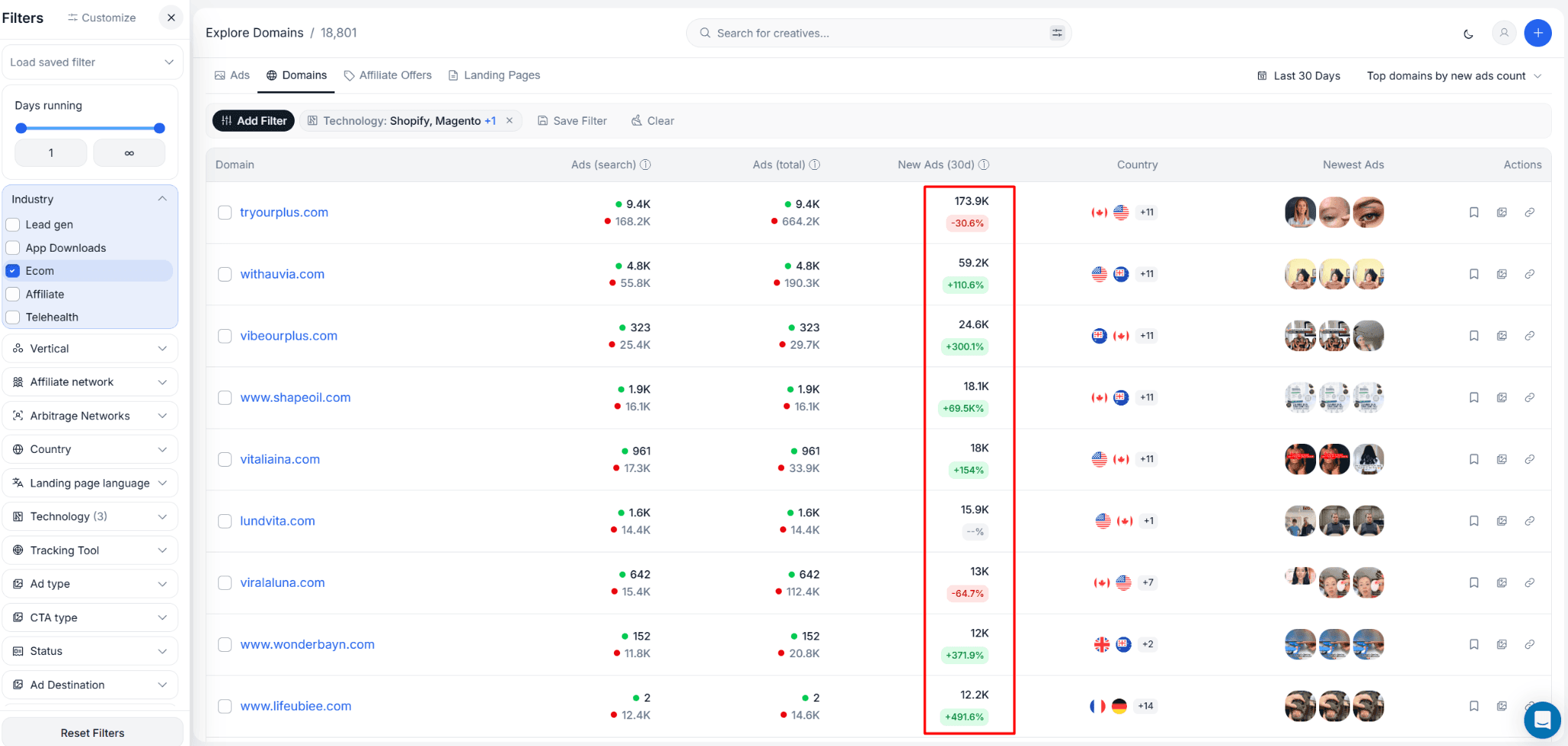
Research deeper than the ad creative. The advertisers winning in your vertical are not just writing better hooks. They are building funnel infrastructure that takes time, money, and iteration to construct. The only way to understand what they are actually doing is to look past the creative and into the landing pages, redirect chains, tech stacks, and offer structures behind the ad.
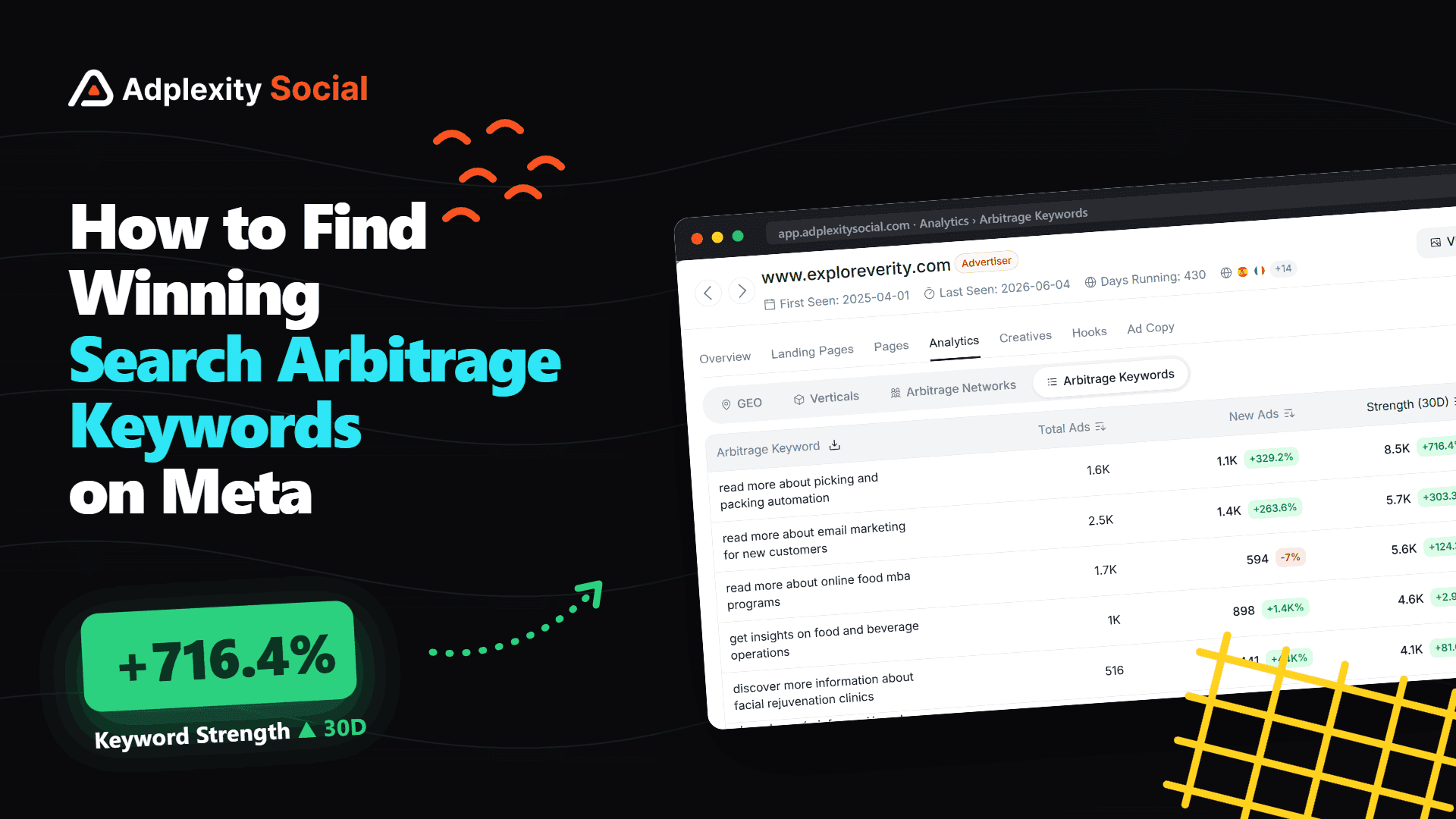
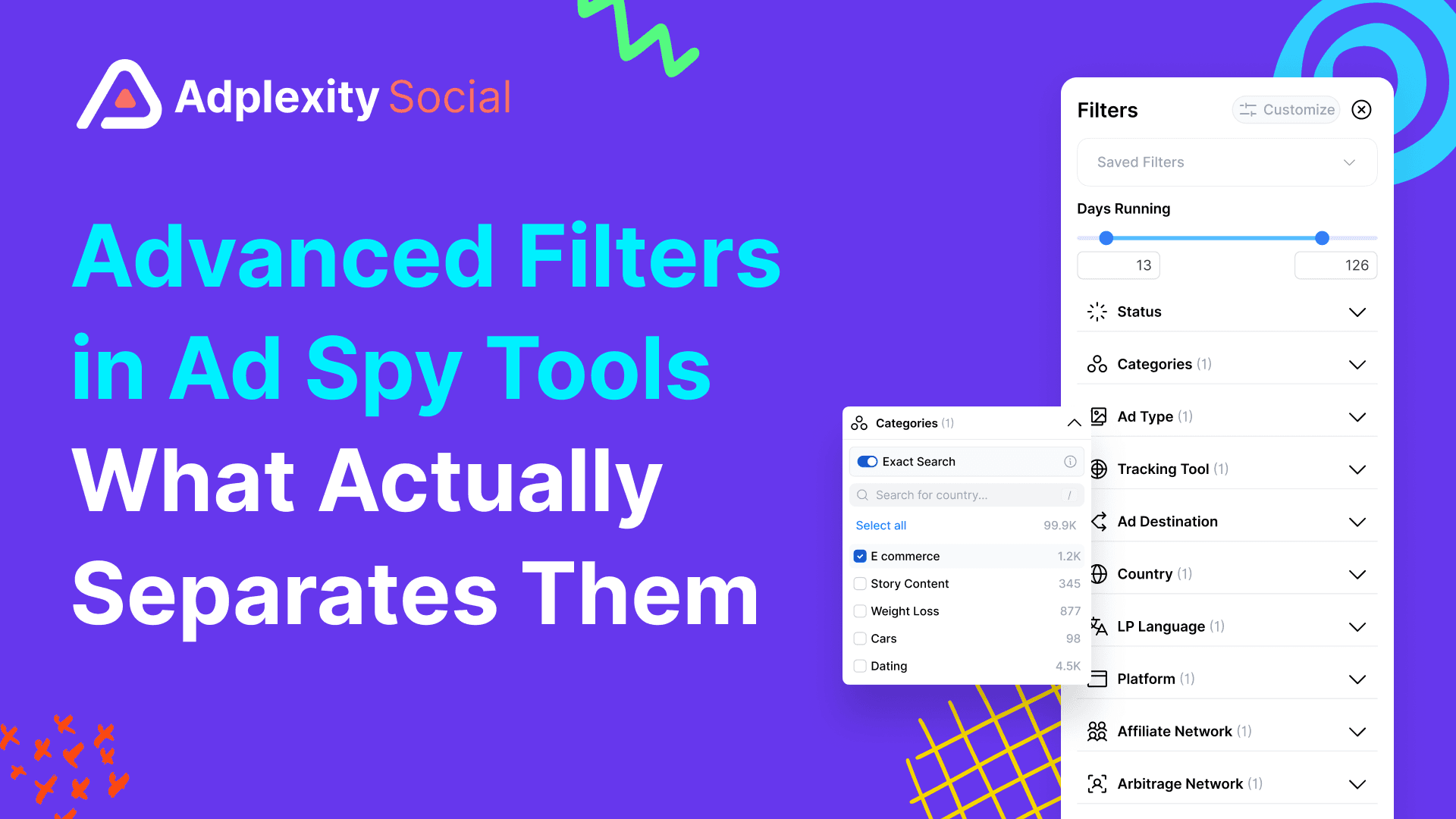
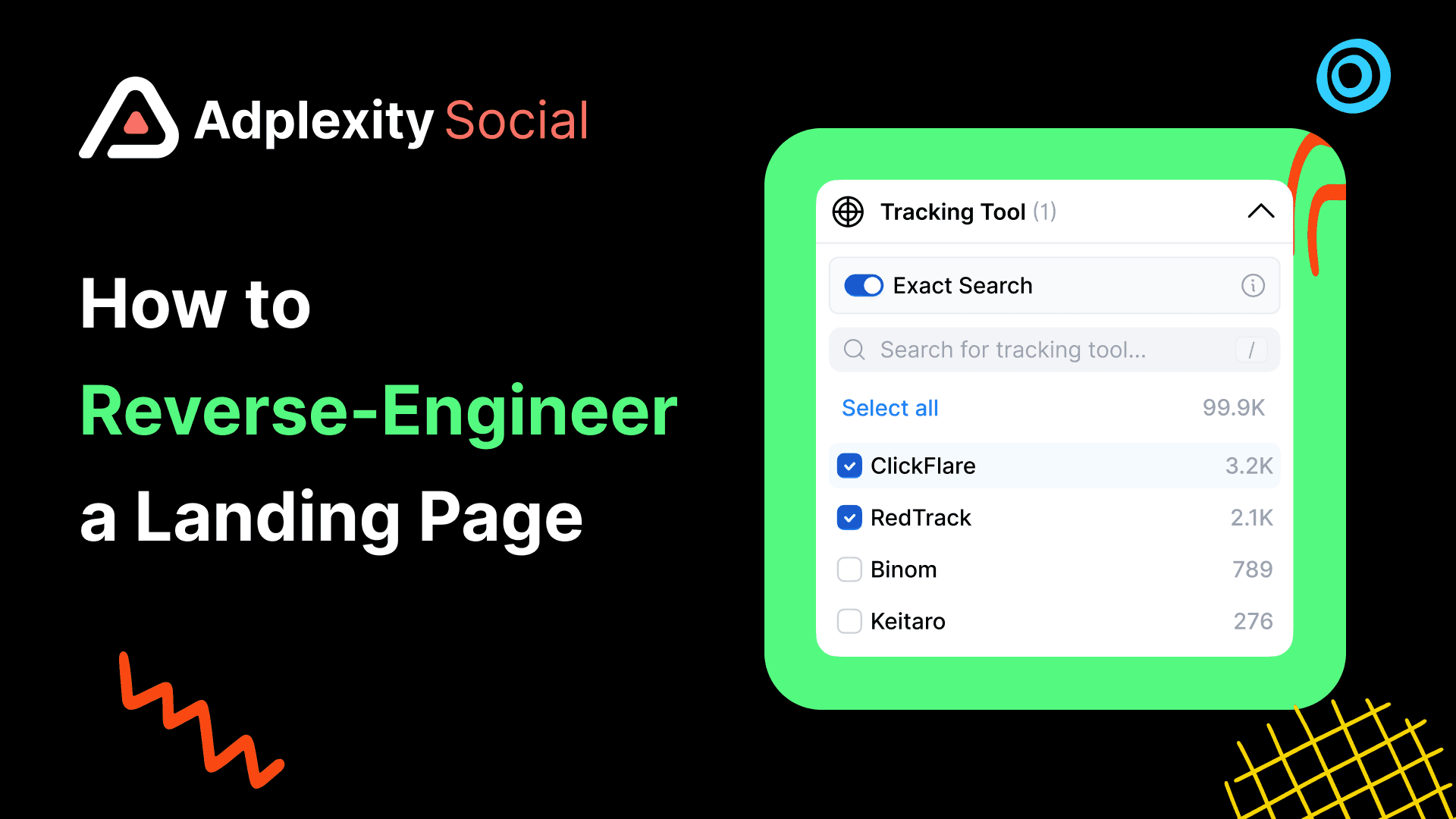
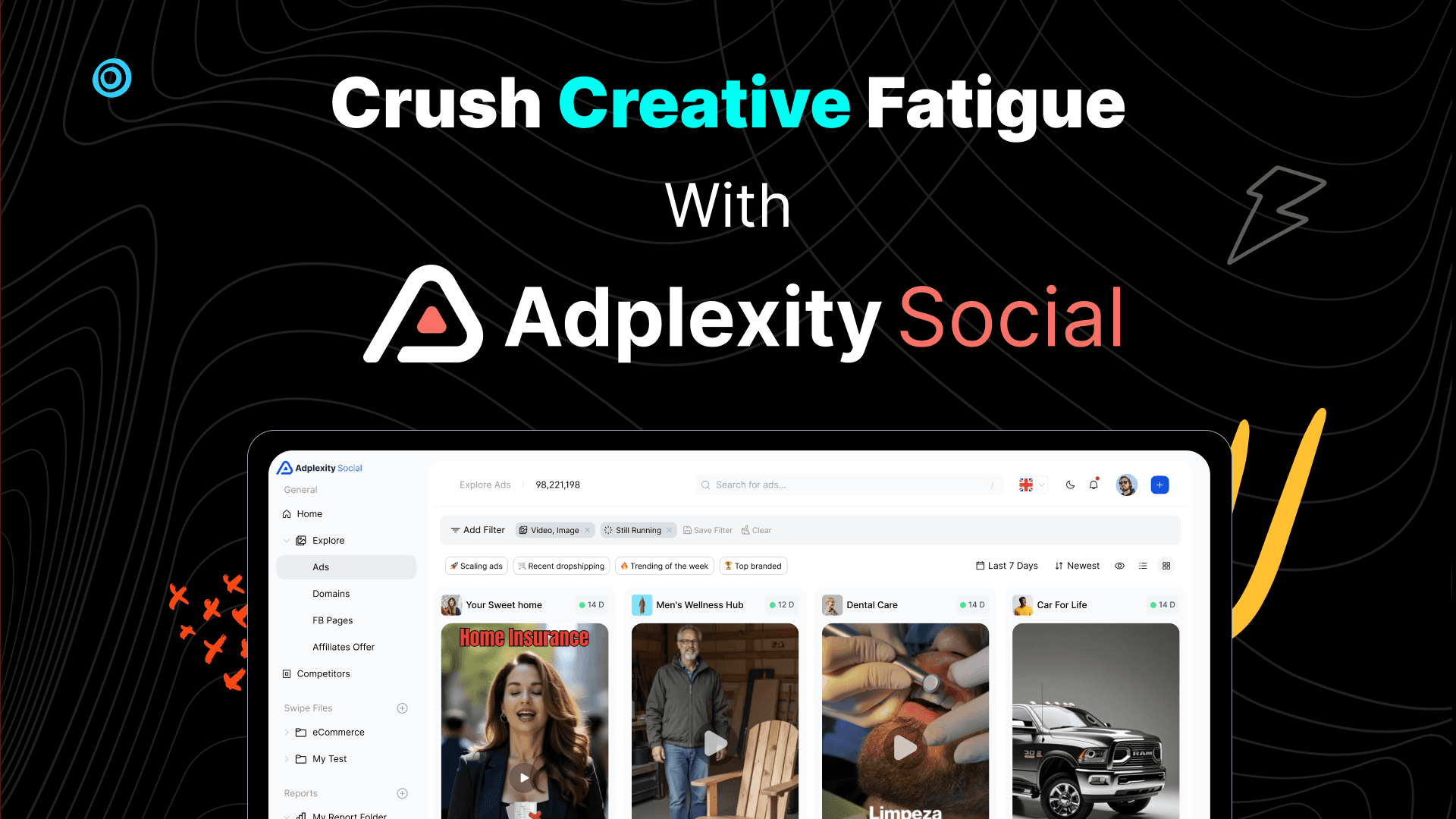
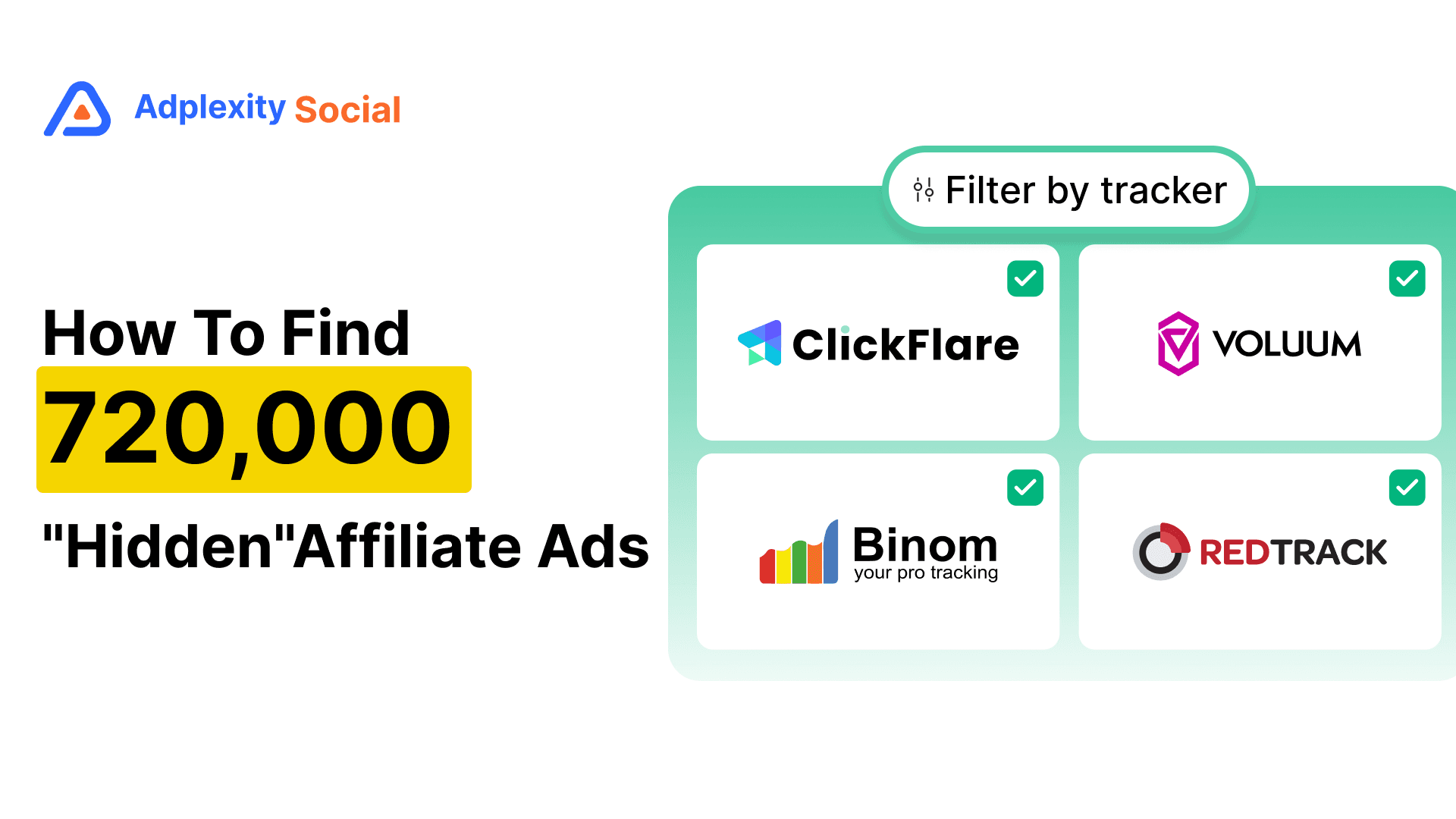
This is where AdPlexity Social fits. When Vik talked about what serious operators need, he was direct: "When you're going to war as a digital marketer, you need AdPlexity under your belt." The platform indexes full landing page copy, crawls redirect chains end to end, and surfaces tech stack signals (Shopify, ClickFunnels, TrustedForm, Ringba, Vturb) that reveal how an advertiser has built their infrastructure. The affiliate offer dimension shows what is running behind pre-landers across Clickbank, Buygoods, Digistore, Giddyup, and more. This is the intelligence the LTV game actually requires. Sign up at adplexity.io and start building a real picture of what your competitors are running.
Study influencer funnels, not just their content. The influencers winning on paid traffic are running affiliate playbooks with a distribution advantage you do not have yet. Look at their full funnel mechanics, not just their creative. If you cannot out-reach them, out-execute them on the performance side.
Frequently Asked Questions
Is affiliate marketing dead in 2026?
No, but the version most people started with is getting harder. Pure traffic arbitrage, driving clicks to someone else's offer for a one-time CPA cut, is being squeezed by rising CPMs, network consolidation, and advertisers learning to go direct. The operators still winning are still doing affiliate marketing in the broad sense. They are just doing it through licensing, ownership, and LTV-focused structures rather than pure broker plays.
What does it actually mean that e-com is the new lead gen?
It means the customer acquisition mechanics have converged. Quizzes, lead forms, email captures, follow-up sequences: standard in ecommerce now, not just lead gen. Product pages, direct offers, subscription upsells: standard in lead gen funnels now, not just ecom. The practical implication is that a strong media buyer can move between verticals. The skill set transfers. What often does not transfer is the mindset.
How do I start measuring LTV if I have only ever tracked front-end CPA?
Start with a simple 90-day cohort. Pull one month of customers from one campaign. Track every transaction over the next 90 days and divide total revenue by customer count. Compare that number to your average CPA. If your 90-day LTV is 2x your CPA, you have real room to pay more for traffic. If it is 1.3x, you are tight. Run this across a few campaigns, and you will have a baseline for what your customers are actually worth. From there, build proper attribution to make the measurement systematic.
Are influencers a threat to traditional affiliates or an opportunity?
Both, depending on how you position yourself. The threat is structural: influencers with owned audiences have lower acquisition costs than cold media buyers running the same offer. The opportunity is also structural: most influencers have reach but not execution. They do not understand tracking, funnel optimization, or performance marketing infrastructure. If you can provide that, you become the performance layer their distribution runs on top of. That is a strong position.
Do I need a paid ad spy tool or is the Meta Ads Library enough?
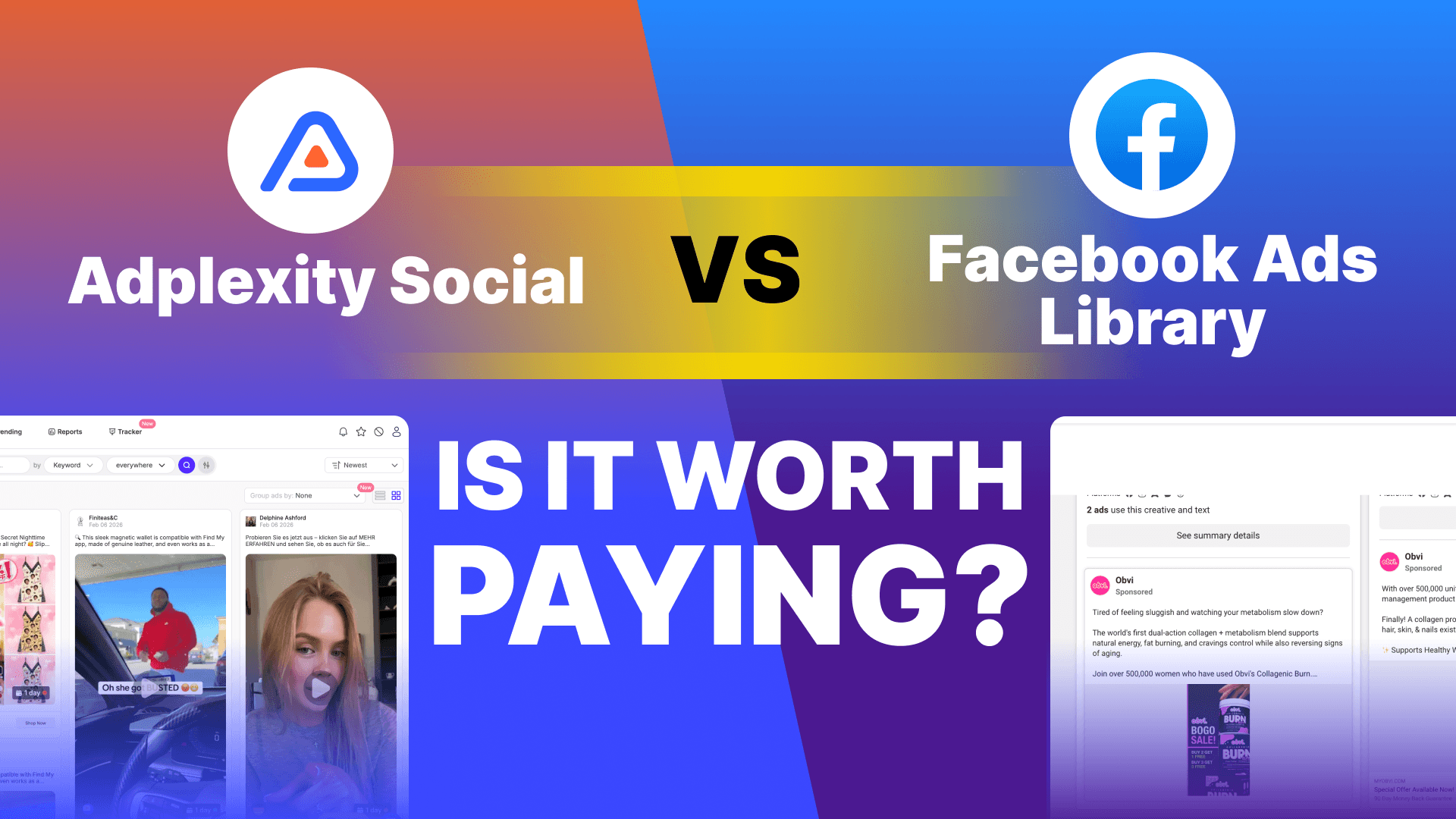
The Ads Library is enough if surface-level creative inspiration is all you need. But it only shows you what ads look like, not how they work. It does not show landing pages, redirect chains, tech stacks, or the affiliate offers behind pre-landers. The gap between what the Ads Library shows and what a full intelligence platform shows is the gap between seeing an ad and understanding a funnel. In 2026, the funnel is where the real competitive intelligence lives.
What is The LTV Game and who is it for?
The LTV Game is Vik Vallo's community on Skool, built around the thesis that operators who optimize for lifetime value will outcompete operators stuck on front-end CPA. It is aimed at affiliates and media buyers ready to move beyond traffic arbitrage and start building businesses with real LTV. You can find it athttps://www.skool.com/the-ltv-game-4893/about.
How does the local business licensing model actually work?
You find a local business in a vertical you know (home services, financial services, health adjacent, anything with recurring customer value). You offer to run their full digital marketing: ads, funnel, lead follow-up, everything. You handle acquisition. They handle delivery. You take a percentage of revenue or a per-lead fee tied to the lifetime value of the customers you generate, not a flat CPA. The model works because you bring performance marketing expertise they do not have, and they bring an existing product and local trust that you do not have.
Watch the full episode
Vik covers all of this in his own words in Episode 2 of Behind the Ads, including the full LeBron James thought experiment, his take on why viral is the new platform, and how he uses competitive intelligence to research offers before entering a new vertical.
New episodes drop regularly on the Behind the Ads YouTube channel.
Start researching what is actually running on Meta
The affiliate model is being rewired in real time. Ownership, licensing, and LTV thinking are what separate the operators who will still be running campaigns in five years from the ones who get squeezed out.
To compete at that level, you need to see what the operators winning in your vertical are actually building behind their ads. Not just the creatives. The landing pages, the redirect chains, the tech stacks, the full funnel infrastructure.
How the affiliate model is being rewired, and what to do about it before the broker era ends completely
The broker era in affiliate marketing is ending. Not slowly, not maybe, not in some theoretical future state. It is happening now, in the consolidation of networks, the rising floor on Meta CPMs, and the simple fact that advertisers do not need middlemen the way they used to.
Vik Vallo has been watching this long enough to have a framework for it. Twenty years in the affiliate and performance marketing space. Affiliate World speaker. Founder of The LTV Game community on Skool. He sat down with us on Episode 2 of Behind the Ads and gave us the most direct take on where this industry is heading that we have heard in a long time.
His central claim: "Affiliate is just another word for licensing a product."
His warning: "You will be out of business if you think you can be promoting something you don't own."
This post breaks down Vik's framework. The worlds of e-com and lead gen have merged. The affiliate model is becoming licensing. Influencers are absorbing the high-impact role traditional affiliates used to play. And the metrics most media buyers still live by are pointing them in the wrong direction.
Watch the full Episode here
Key Takeaways
E-com and lead gen are now the same business in practice, with identical customer acquisition mechanics on both sides. Affiliate marketing is shifting from commission-based middleman work to product licensing, which means operators who do not own what they promote are working from a shrinking position. Influencers have a structural cost advantage that pure affiliates cannot replicate, because owned audiences collapse acquisition costs to near zero. And CPM and LTV are more honest performance signals than front-end CPA, because that is the business model Google and Meta themselves are built on.
The convergence: when e-com and lead gen became the same thing
Five years ago, the line between e-commerce and lead generation was real. E-com was physical products, Shopify stores, direct sales. Lead gen was forms, call centers, insurance, debt relief, pay per call. Different operators. Different networks. Different skill sets.
That line has dissolved.
Vik calls it:
"E-com is the new lead gen, and lead gen is the new e-com."
Every digital storefront now runs a quiz or email capture. Every lead gen funnel now has a backend product, a subscription, a direct offer. The mechanics are identical. The tools are the same. The traffic sources are the same.
Here is what that means in practice. A lead gen affiliate who knows how to generate consumer intent on Meta can pick up a product from Alibaba, build a direct-to-consumer offer around it, and sell it without a network in the middle.
Vik's example:
"You can go get some GLP-1s, you can go get some products from China, and sell them direct to consumer. But when you're marketing your product, you need to generate that consumer, you need to generate that lead."
And that is the whole point. The skills transfer completely. What does not transfer is the mindset. Most lead gen affiliates still think like middlemen, and that is exactly the problem.
The licensing reframe: five words that change how you see affiliate marketing
This is the insight worth writing down. Vik put it simply: "Affiliate is just another word for licensing a product."
If you are an affiliate, you have always been a licensee. You take the rights to sell someone else's product in exchange for a cut. You do not own the product, the brand, or the customer relationship. You are a licensed distributor with no equity.
The problem is that licensing without ownership puts you in the weakest negotiating position possible. The advertiser can cut your payout. The network can change the offer. The traffic source can ban your funnel. You have built nothing you own.
But the licensing model itself is solid. Vik's move is to flip it: find something to license that you can build real equity around. His example is local businesses. A barbershop. A financial advisor. A small merchant in any vertical. Go to them. Offer to run their full digital marketing operation. Handle the ads, the funnel, the follow-up. Take a cut of lifetime value instead of a one-time click fee.
That is still licensing. But now you own the relationship, you own the funnel, and you capture the backend. The mechanics are the same. The position is completely different.
Most affiliates are not making this move because they are locked into the network-and-CPA mindset. But the operators who are making it are building businesses that are dramatically more sustainable than what came before.
Why influencers are the new affiliates
The other shift Vik laid out: influencers are absorbing the role traditional affiliates used to play.
Not because they are better at performance marketing. Most are not. But because they have one structural advantage that pure affiliates cannot match. They own audiences. Their customer acquisition cost on organic content is zero. When they run paid traffic on top of that, they are working with warmer audiences and lower CPMs than any cold media buyer running the same offer.
Vik's thought experiment:
"Imagine if LeBron James or Lady Gaga understood performance marketing the way we do. They understood the mathematics, the execution, the power of their reach. They applied that to selling their own products. Why would they need a third party?"
They would not. And increasingly, they do not.
Spotify is moving into ticketing. Major influencers are launching product lines that would have gone through affiliate networks five years ago. The brands that used to need networks to reach audiences are going direct through creators who already own the attention.
For traditional affiliates, the play is either to build your own audience and gain that structural advantage, or to get so good on the performance side that you become the infrastructure influencers need. Most influencers have reach but not execution. That gap is real, and it is exploitable.
CPM and LTV: why the metrics most affiliates use are lying to them
Google and Meta are both CPM businesses. Between them, they are worth well over a trillion dollars, and their entire revenue model is built on impressions. If the two largest advertising businesses in history chose CPM as their core unit, that tells you something about where the real signal is.
Vik's argument: CPA is a derivative metric. It is downstream of CPM, click-through rates, conversion rates, and landing page quality. When CPMs rise (and US Meta CPMs keep rising), front-end CPA can disguise what is actually happening to your unit economics. A campaign that looks profitable on CPA can be underwater on LTV if the customers do not stick.
The operators winning in 2026 are the ones who can afford to pay more per conversion because they know what their customers are worth over 90 days, 180 days, a full year. LTV gives you permission to pay more. And paying more is the only sustainable way to win when CPMs keep climbing.
This is the whole thesis behind The LTV Game. Operators who optimize for LTV will outbid, outlast, and outmaneuver operators who are stuck on front-end CPA. Once the math compounds, it is not even close.
What to actually do with this
Three practical moves that come out of Vik's framework.
Own something. Stop promoting offers you have no stake in. License a product, buy into a brand, or partner with a local business and run their full digital marketing funnel. The work is harder upfront. The position is dramatically stronger over time. The barbershop example is not hypothetical. It is the move operators are quietly making while everyone else fights over network CPA payouts.
Research deeper than the ad creative. The advertisers winning in your vertical are not just writing better hooks. They are building funnel infrastructure that takes time, money, and iteration to construct. The only way to understand what they are actually doing is to look past the creative and into the landing pages, redirect chains, tech stacks, and offer structures behind the ad.
This is where AdPlexity Social fits. When Vik talked about what serious operators need, he was direct: "When you're going to war as a digital marketer, you need AdPlexity under your belt." The platform indexes full landing page copy, crawls redirect chains end to end, and surfaces tech stack signals (Shopify, ClickFunnels, TrustedForm, Ringba, Vturb) that reveal how an advertiser has built their infrastructure. The affiliate offer dimension shows what is running behind pre-landers across Clickbank, Buygoods, Digistore, Giddyup, and more. This is the intelligence the LTV game actually requires. Sign up at adplexity.io and start building a real picture of what your competitors are running.
Study influencer funnels, not just their content. The influencers winning on paid traffic are running affiliate playbooks with a distribution advantage you do not have yet. Look at their full funnel mechanics, not just their creative. If you cannot out-reach them, out-execute them on the performance side.
Frequently Asked Questions
Is affiliate marketing dead in 2026?
No, but the version most people started with is getting harder. Pure traffic arbitrage, driving clicks to someone else's offer for a one-time CPA cut, is being squeezed by rising CPMs, network consolidation, and advertisers learning to go direct. The operators still winning are still doing affiliate marketing in the broad sense. They are just doing it through licensing, ownership, and LTV-focused structures rather than pure broker plays.
What does it actually mean that e-com is the new lead gen?
It means the customer acquisition mechanics have converged. Quizzes, lead forms, email captures, follow-up sequences: standard in ecommerce now, not just lead gen. Product pages, direct offers, subscription upsells: standard in lead gen funnels now, not just ecom. The practical implication is that a strong media buyer can move between verticals. The skill set transfers. What often does not transfer is the mindset.
How do I start measuring LTV if I have only ever tracked front-end CPA?
Start with a simple 90-day cohort. Pull one month of customers from one campaign. Track every transaction over the next 90 days and divide total revenue by customer count. Compare that number to your average CPA. If your 90-day LTV is 2x your CPA, you have real room to pay more for traffic. If it is 1.3x, you are tight. Run this across a few campaigns, and you will have a baseline for what your customers are actually worth. From there, build proper attribution to make the measurement systematic.
Are influencers a threat to traditional affiliates or an opportunity?
Both, depending on how you position yourself. The threat is structural: influencers with owned audiences have lower acquisition costs than cold media buyers running the same offer. The opportunity is also structural: most influencers have reach but not execution. They do not understand tracking, funnel optimization, or performance marketing infrastructure. If you can provide that, you become the performance layer their distribution runs on top of. That is a strong position.
Do I need a paid ad spy tool or is the Meta Ads Library enough?
The Ads Library is enough if surface-level creative inspiration is all you need. But it only shows you what ads look like, not how they work. It does not show landing pages, redirect chains, tech stacks, or the affiliate offers behind pre-landers. The gap between what the Ads Library shows and what a full intelligence platform shows is the gap between seeing an ad and understanding a funnel. In 2026, the funnel is where the real competitive intelligence lives.
What is The LTV Game and who is it for?
The LTV Game is Vik Vallo's community on Skool, built around the thesis that operators who optimize for lifetime value will outcompete operators stuck on front-end CPA. It is aimed at affiliates and media buyers ready to move beyond traffic arbitrage and start building businesses with real LTV. You can find it athttps://www.skool.com/the-ltv-game-4893/about.
How does the local business licensing model actually work?
You find a local business in a vertical you know (home services, financial services, health adjacent, anything with recurring customer value). You offer to run their full digital marketing: ads, funnel, lead follow-up, everything. You handle acquisition. They handle delivery. You take a percentage of revenue or a per-lead fee tied to the lifetime value of the customers you generate, not a flat CPA. The model works because you bring performance marketing expertise they do not have, and they bring an existing product and local trust that you do not have.
Watch the full episode
Vik covers all of this in his own words in Episode 2 of Behind the Ads, including the full LeBron James thought experiment, his take on why viral is the new platform, and how he uses competitive intelligence to research offers before entering a new vertical.
New episodes drop regularly on the Behind the Ads YouTube channel.
Start researching what is actually running on Meta
The affiliate model is being rewired in real time. Ownership, licensing, and LTV thinking are what separate the operators who will still be running campaigns in five years from the ones who get squeezed out.
To compete at that level, you need to see what the operators winning in your vertical are actually building behind their ads. Not just the creatives. The landing pages, the redirect chains, the tech stacks, the full funnel infrastructure.